Aboriginal art of the Amazon

Al Sur de Venezuela con extensa frontera entre Colombia y Brasil, se extiende el Estado Amazonas con 180.375 km.² de extensión, y unos 100.000 habitantes (según el Dr.  Emilio Mosonyi), de filiación lingüística: Caribe y Arawac. El “pulmón verde del planeta”, como se conoce la región amazónica, por su capacidad de absorber toneladas de dióxido […]

Descripción

Al Sur de Venezuela con extensa frontera entre Colombia y Brasil, se extiende el Estado Amazonas con 180.375 km.² de extensión, y unos 100.000 habitantes (según el Dr.  Emilio Mosonyi), de filiación lingüística: Caribe y Arawac.

El “pulmón verde del planeta”, como se conoce la región amazónica, por su capacidad de absorber toneladas de dióxido de carbono es el hábitat de un “Mosaico Étnico” formado por 12 tribus denominadas:

Sanema-Yanomami, Yekuana, Warekena, Curripaco, Bare, Baniwa, Piapoco, Piaroa, Guahibos, Hoti, Puinabe y Panare.

Las condiciones inaccesibles de la exuberante selva, les ha permitido vivir alejados de la población criolla, preservando así sus rasgos culturales y vivir en armonía con la naturaleza. Son los mejores defensores de la biodiversidad.

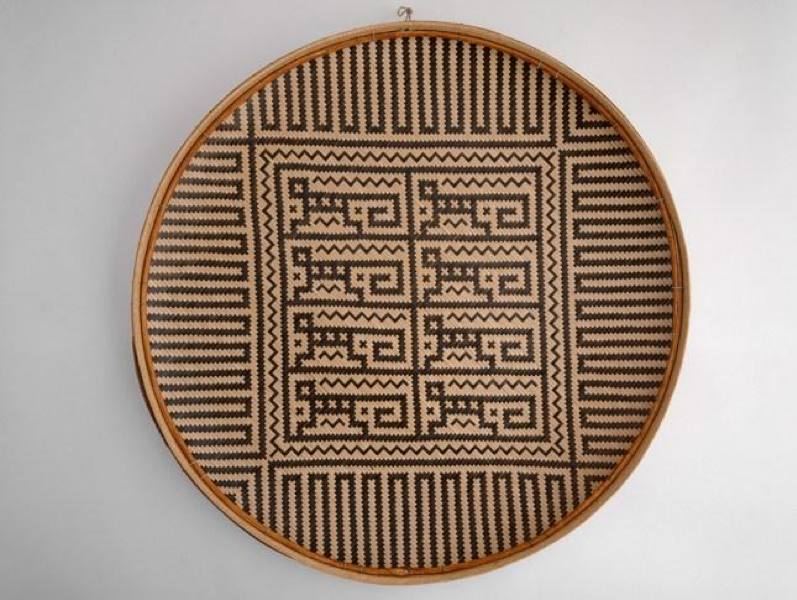
El “Arte aborigen” lo conforman utensilios de uso diario, elaborados con materias primas del entorno geográfico, tales como maderas, pieles, plumas de animales salvajes y una gran variedad de fibras vegetales con las cuales han desarrollado la más bella cestería de América.

Conocen técnicas muy antiguas conservadas por tradición oral desde tiempos inmemoriales. Cada Comunidad posee destrezas especiales;

Los Yanomami conservan el secreto de la preparación del curare para las puntas de flecha.

Lo más destacado de los Piaroa son las máscaras rituales para la fiesta del Warime. Personaje de la mitología. Son expertos en preparación del yopo, sustancia alucinógena para uso exclusivo del Shaman en ritos curativos.

Los Ye´kwana son excelentes fabricantes de cerbatana y curiaras (canoas) La cestería es elaborada por las mujeres para intercambio comercial.

Los Arawac, practican la cerámica, el arte plumario y el tejido de hamacas   de cumare, así como cestería en fibra chiquichiqui.

Por su valor etnográfico y sus diseños estéticos, todos los objetos del Amazonas, gozan de gran demanda en Galerías, Museos especializados y por parte de coleccionistas.

Photos: Artesanía y Folklore magazine archive

English

The aboriginal art of the AmazonIn the south of Venezuela, with an extensive border between Colombia and Brazil, the state of Amazonas extends over 180,375 km², with about 100,000 inhabitants (according to Dr. Emilio Mosonyi), of Caribbean and Arawac linguistic affiliation. The «green lung of the planet», as it is known for its capacity to absorb tons of carbon dioxide, is the habitat of an «Ethnic Mosaic» made up of 12 tribes called: Sanema-Yanomami, Yekuana, Warekena, Curripaco, Bare, Baniwa, Piapoco, Piaroa, Guahibos, Hoti, Puinabe and Panare.

The inaccessible conditions of the jungle have allowed them to live away from the Creole population, thus preserving their cultural traits and living in harmony with nature. They are the best defenders of biodiversity.

The «aboriginal art» is made up of utensils for daily use, made with raw materials from the geographical environment, such as wood, skins, wild animal feathers and a great variety of vegetable fibers with which they have developed the most beautiful basketry in America. They know very ancient techniques preserved by oral tradition since time immemorial. Each community has special skills; the Yanomami keep the secret of the preparation of «curare» for arrowheads. The highlight of the Piaroa are the ritual masks for the feast of the Warime, a mythological character. They are experts in the preparation of «yopo», a hallucinogenic substance for the exclusive use of the Shaman in healing rites.

The Ye’kwana are excellent makers of blowguns and «curiaras» (canoes). Basketry is made by women for commercial exchange. The Arawac practice pottery, feather art and the weaving of cumare hammocks, as well as basketry in «chiquichiqui» fiber.

Because of their ethnographic value and their aesthetic designs, all the objects of the Amazon are in great demand in galleries, specialized museums and by collectors.

Valoraciones

No hay valoraciones aún.

Sé el primero en valorar “Aboriginal art of the Amazon”

Tu dirección de correo electrónico no será publicada. Los campos obligatorios están marcados con *

Descripción

Al Sur de Venezuela con extensa frontera entre Colombia y Brasil, se extiende el Estado Amazonas con 180.375 km.² de extensión, y unos 100.000 habitantes (según el Dr.  Emilio Mosonyi), de filiación lingüística: Caribe y Arawac.

El “pulmón verde del planeta”, como se conoce la región amazónica, por su capacidad de absorber toneladas de dióxido de carbono es el hábitat de un “Mosaico Étnico” formado por 12 tribus denominadas:

Sanema-Yanomami, Yekuana, Warekena, Curripaco, Bare, Baniwa, Piapoco, Piaroa, Guahibos, Hoti, Puinabe y Panare.

Las condiciones inaccesibles de la exuberante selva, les ha permitido vivir alejados de la población criolla, preservando así sus rasgos culturales y vivir en armonía con la naturaleza. Son los mejores defensores de la biodiversidad.

El “Arte aborigen” lo conforman utensilios de uso diario, elaborados con materias primas del entorno geográfico, tales como maderas, pieles, plumas de animales salvajes y una gran variedad de fibras vegetales con las cuales han desarrollado la más bella cestería de América.

Conocen técnicas muy antiguas conservadas por tradición oral desde tiempos inmemoriales. Cada Comunidad posee destrezas especiales;

Los Yanomami conservan el secreto de la preparación del curare para las puntas de flecha.

Lo más destacado de los Piaroa son las máscaras rituales para la fiesta del Warime. Personaje de la mitología. Son expertos en preparación del yopo, sustancia alucinógena para uso exclusivo del Shaman en ritos curativos.

Los Ye´kwana son excelentes fabricantes de cerbatana y curiaras (canoas) La cestería es elaborada por las mujeres para intercambio comercial.

Los Arawac, practican la cerámica, el arte plumario y el tejido de hamacas   de cumare, así como cestería en fibra chiquichiqui.

Por su valor etnográfico y sus diseños estéticos, todos los objetos del Amazonas, gozan de gran demanda en Galerías, Museos especializados y por parte de coleccionistas.

Photos: Artesanía y Folklore magazine archive

English

The aboriginal art of the AmazonIn the south of Venezuela, with an extensive border between Colombia and Brazil, the state of Amazonas extends over 180,375 km², with about 100,000 inhabitants (according to Dr. Emilio Mosonyi), of Caribbean and Arawac linguistic affiliation. The «green lung of the planet», as it is known for its capacity to absorb tons of carbon dioxide, is the habitat of an «Ethnic Mosaic» made up of 12 tribes called: Sanema-Yanomami, Yekuana, Warekena, Curripaco, Bare, Baniwa, Piapoco, Piaroa, Guahibos, Hoti, Puinabe and Panare.

The inaccessible conditions of the jungle have allowed them to live away from the Creole population, thus preserving their cultural traits and living in harmony with nature. They are the best defenders of biodiversity.

The «aboriginal art» is made up of utensils for daily use, made with raw materials from the geographical environment, such as wood, skins, wild animal feathers and a great variety of vegetable fibers with which they have developed the most beautiful basketry in America. They know very ancient techniques preserved by oral tradition since time immemorial. Each community has special skills; the Yanomami keep the secret of the preparation of «curare» for arrowheads. The highlight of the Piaroa are the ritual masks for the feast of the Warime, a mythological character. They are experts in the preparation of «yopo», a hallucinogenic substance for the exclusive use of the Shaman in healing rites.

The Ye’kwana are excellent makers of blowguns and «curiaras» (canoes). Basketry is made by women for commercial exchange. The Arawac practice pottery, feather art and the weaving of cumare hammocks, as well as basketry in «chiquichiqui» fiber.

Because of their ethnographic value and their aesthetic designs, all the objects of the Amazon are in great demand in galleries, specialized museums and by collectors.

Valoraciones

No hay valoraciones aún.

Sé el primero en valorar “Aboriginal art of the Amazon”

Tu dirección de correo electrónico no será publicada. Los campos obligatorios están marcados con *

Descripción

Al Sur de Venezuela con extensa frontera entre Colombia y Brasil, se extiende el Estado Amazonas con 180.375 km.² de extensión, y unos 100.000 habitantes (según el Dr.  Emilio Mosonyi), de filiación lingüística: Caribe y Arawac.

El “pulmón verde del planeta”, como se conoce la región amazónica, por su capacidad de absorber toneladas de dióxido de carbono es el hábitat de un “Mosaico Étnico” formado por 12 tribus denominadas:

Sanema-Yanomami, Yekuana, Warekena, Curripaco, Bare, Baniwa, Piapoco, Piaroa, Guahibos, Hoti, Puinabe y Panare.

Las condiciones inaccesibles de la exuberante selva, les ha permitido vivir alejados de la población criolla, preservando así sus rasgos culturales y vivir en armonía con la naturaleza. Son los mejores defensores de la biodiversidad.

El “Arte aborigen” lo conforman utensilios de uso diario, elaborados con materias primas del entorno geográfico, tales como maderas, pieles, plumas de animales salvajes y una gran variedad de fibras vegetales con las cuales han desarrollado la más bella cestería de América.

Conocen técnicas muy antiguas conservadas por tradición oral desde tiempos inmemoriales. Cada Comunidad posee destrezas especiales;

Los Yanomami conservan el secreto de la preparación del curare para las puntas de flecha.

Lo más destacado de los Piaroa son las máscaras rituales para la fiesta del Warime. Personaje de la mitología. Son expertos en preparación del yopo, sustancia alucinógena para uso exclusivo del Shaman en ritos curativos.

Los Ye´kwana son excelentes fabricantes de cerbatana y curiaras (canoas) La cestería es elaborada por las mujeres para intercambio comercial.

Los Arawac, practican la cerámica, el arte plumario y el tejido de hamacas   de cumare, así como cestería en fibra chiquichiqui.

Por su valor etnográfico y sus diseños estéticos, todos los objetos del Amazonas, gozan de gran demanda en Galerías, Museos especializados y por parte de coleccionistas.

Photos: Artesanía y Folklore magazine archive

English

The aboriginal art of the AmazonIn the south of Venezuela, with an extensive border between Colombia and Brazil, the state of Amazonas extends over 180,375 km², with about 100,000 inhabitants (according to Dr. Emilio Mosonyi), of Caribbean and Arawac linguistic affiliation. The «green lung of the planet», as it is known for its capacity to absorb tons of carbon dioxide, is the habitat of an «Ethnic Mosaic» made up of 12 tribes called: Sanema-Yanomami, Yekuana, Warekena, Curripaco, Bare, Baniwa, Piapoco, Piaroa, Guahibos, Hoti, Puinabe and Panare.

The inaccessible conditions of the jungle have allowed them to live away from the Creole population, thus preserving their cultural traits and living in harmony with nature. They are the best defenders of biodiversity.

The «aboriginal art» is made up of utensils for daily use, made with raw materials from the geographical environment, such as wood, skins, wild animal feathers and a great variety of vegetable fibers with which they have developed the most beautiful basketry in America. They know very ancient techniques preserved by oral tradition since time immemorial. Each community has special skills; the Yanomami keep the secret of the preparation of «curare» for arrowheads. The highlight of the Piaroa are the ritual masks for the feast of the Warime, a mythological character. They are experts in the preparation of «yopo», a hallucinogenic substance for the exclusive use of the Shaman in healing rites.

The Ye’kwana are excellent makers of blowguns and «curiaras» (canoes). Basketry is made by women for commercial exchange. The Arawac practice pottery, feather art and the weaving of cumare hammocks, as well as basketry in «chiquichiqui» fiber.

Because of their ethnographic value and their aesthetic designs, all the objects of the Amazon are in great demand in galleries, specialized museums and by collectors.

Valoraciones

No hay valoraciones aún.

Sé el primero en valorar “Aboriginal art of the Amazon”

Tu dirección de correo electrónico no será publicada. Los campos obligatorios están marcados con *

Descripción

Al Sur de Venezuela con extensa frontera entre Colombia y Brasil, se extiende el Estado Amazonas con 180.375 km.² de extensión, y unos 100.000 habitantes (según el Dr.  Emilio Mosonyi), de filiación lingüística: Caribe y Arawac.

El “pulmón verde del planeta”, como se conoce la región amazónica, por su capacidad de absorber toneladas de dióxido de carbono es el hábitat de un “Mosaico Étnico” formado por 12 tribus denominadas:

Sanema-Yanomami, Yekuana, Warekena, Curripaco, Bare, Baniwa, Piapoco, Piaroa, Guahibos, Hoti, Puinabe y Panare.

Las condiciones inaccesibles de la exuberante selva, les ha permitido vivir alejados de la población criolla, preservando así sus rasgos culturales y vivir en armonía con la naturaleza. Son los mejores defensores de la biodiversidad.

El “Arte aborigen” lo conforman utensilios de uso diario, elaborados con materias primas del entorno geográfico, tales como maderas, pieles, plumas de animales salvajes y una gran variedad de fibras vegetales con las cuales han desarrollado la más bella cestería de América.

Conocen técnicas muy antiguas conservadas por tradición oral desde tiempos inmemoriales. Cada Comunidad posee destrezas especiales;

Los Yanomami conservan el secreto de la preparación del curare para las puntas de flecha.

Lo más destacado de los Piaroa son las máscaras rituales para la fiesta del Warime. Personaje de la mitología. Son expertos en preparación del yopo, sustancia alucinógena para uso exclusivo del Shaman en ritos curativos.

Los Ye´kwana son excelentes fabricantes de cerbatana y curiaras (canoas) La cestería es elaborada por las mujeres para intercambio comercial.

Los Arawac, practican la cerámica, el arte plumario y el tejido de hamacas   de cumare, así como cestería en fibra chiquichiqui.

Por su valor etnográfico y sus diseños estéticos, todos los objetos del Amazonas, gozan de gran demanda en Galerías, Museos especializados y por parte de coleccionistas.

Photos: Crafts and Folklore magazine archive

English

The aboriginal art of the AmazonIn the south of Venezuela, with an extensive border between Colombia and Brazil, the state of Amazonas extends over 180,375 km², with about 100,000 inhabitants (according to Dr. Emilio Mosonyi), of Caribbean and Arawac linguistic affiliation. The «green lung of the planet», as it is known for its capacity to absorb tons of carbon dioxide, is the habitat of an «Ethnic Mosaic» made up of 12 tribes called: Sanema-Yanomami, Yekuana, Warekena, Curripaco, Bare, Baniwa, Piapoco, Piaroa, Guahibos, Hoti, Puinabe and Panare.

The inaccessible conditions of the jungle have allowed them to live away from the Creole population, thus preserving their cultural traits and living in harmony with nature. They are the best defenders of biodiversity.

The «aboriginal art» is made up of utensils for daily use, made with raw materials from the geographical environment, such as wood, skins, wild animal feathers and a great variety of vegetable fibers with which they have developed the most beautiful basketry in America. They know very ancient techniques preserved by oral tradition since time immemorial. Each community has special skills; the Yanomami keep the secret of the preparation of «curare» for arrowheads. The highlight of the Piaroa are the ritual masks for the feast of the Warime, a mythological character. They are experts in the preparation of «yopo», a hallucinogenic substance for the exclusive use of the Shaman in healing rites.

The Ye’kwana are excellent makers of blowguns and «curiaras» (canoes). Basketry is made by women for commercial exchange. The Arawac practice pottery, feather art and the weaving of cumare hammocks, as well as basketry in «chiquichiqui» fiber.

Because of their ethnographic value and their aesthetic designs, all the objects of the Amazon are in great demand in galleries, specialized museums and by collectors.

Valoraciones

No hay valoraciones aún.

Sé el primero en valorar “Aboriginal art of the Amazon”

Tu dirección de correo electrónico no será publicada. Los campos obligatorios están marcados con *

Descripción

To the South of Venezuela with an extensive border between Colombia and Brazil, the Amazonas State extends with 180,375 km² of extension, and about 100,000 inhabitants (according to Dr. Emilio Mosonyi), of linguistic affiliation: Caribbean and Arawac.

The “green lung of the planet”, as the Amazon region is known, due to its capacity to absorb tons of carbon dioxide, is the habitat of an “Ethnic Mosaic” made up of 12 tribes called:

Sanema-Yanomami, Yekuana, Warekena, Curripaco, Bare, Baniwa, Piapoco, Piaroa, Guahibos, Hoti, Puinabe and Panare.

The inaccessible conditions of the lush jungle have allowed them to live away from the Creole population, thus preserving their cultural traits and living in harmony with nature. They are the best defenders of biodiversity.

“Aboriginal Art” is made up of utensils for daily use, made with raw materials from the geographical environment, such as wood, skins, feathers from wild animals and a wide variety of plant fibers with which they have developed the most beautiful basketry in America.

They know very ancient techniques preserved by oral tradition since time immemorial. Each Community has special skills;

The Yanomami preserve the secret of preparing curare for arrowheads.

The highlight of the Piaroa are the ritual masks for the Warime festival. Character from mythology. They are experts in preparing yopo, a hallucinogenic substance for the exclusive use of the Shaman in healing rites.

The Ye'kwana are excellent manufacturers of blowguns and curiaras (canoes). The basketry is made by the women for commercial exchange.

The Arawac practice ceramics, feather art and cumare hammock weaving, as well as basketry in chiquichiqui fiber.

Due to their ethnographic value and aesthetic designs, all objects from the Amazon are in great demand in galleries, specialized museums and by collectors.

Photos: Artesanía y Folklore magazine archive

EnglishThe aboriginal art of the Amazon

In the south of Venezuela, with an extensive border between Colombia and Brazil, the state of Amazonas extends over 180,375 km², with about 100,000 inhabitants (according to Dr. Emilio Mosonyi), of Caribbean and Arawac linguistic affiliation. The "green lung of the planet", as it is known for its capacity to absorb tons of carbon dioxide, is the habitat of an "Ethnic Mosaic" made up of 12 tribes called: Sanema-Yanomami, Yekuana, Warekena, Curripaco, Bare, Baniwa, Piapoco, Piaroa, Guahibos, Hoti, Puinabe and Panare.

The inaccessible conditions of the jungle have allowed them to live away from the Creole population, thus preserving their cultural traits and living in harmony with nature. They are the best defenders of biodiversity.

The "aboriginal art" is made up of utensils for daily use, made with raw materials from the geographical environment, such as wood, skins, wild animal feathers and a great variety of vegetable fibers with which they have developed the most beautiful basketry in America. They know very ancient techniques preserved by oral tradition since time immemorial. Each community has special skills; the Yanomami keep the secret of the preparation of "curare" for arrowheads. The highlight of the Piaroa are the ritual masks for the feast of the Warime, a mythological character. They are experts in the preparation of "yopo", a hallucinogenic substance for the exclusive use of the Shaman in healing rites.

The Ye'kwana are excellent makers of blowguns and "curiaras" (canoes). Basketry is made by women for commercial exchange. The Arawac practice pottery, feather art and the weaving of cumare hammocks, as well as basketry in "chiquichiqui" fiber.

Because of their ethnographic value and their aesthetic designs, all the objects of the Amazon are in great demand in galleries, specialized museums and by collectors.

Valoraciones

No hay valoraciones aún.

Sé el primero en valorar “Aboriginal art of the Amazon”

Tu dirección de correo electrónico no será publicada. Los campos obligatorios están marcados con *

Descripción

Al Sur de Venezuela con extensa frontera entre Colombia y Brasil, se extiende el Estado Amazonas con 180.375 km.² de extensión, y unos 100.000 habitantes (según el Dr.  Emilio Mosonyi), de filiación lingüística: Caribe y Arawac.

El “pulmón verde del planeta”, como se conoce la región amazónica, por su capacidad de absorber toneladas de dióxido de carbono es el hábitat de un “Mosaico Étnico” formado por 12 tribus denominadas:

Sanema-Yanomami, Yekuana, Warekena, Curripaco, Bare, Baniwa, Piapoco, Piaroa, Guahibos, Hoti, Puinabe y Panare.

Las condiciones inaccesibles de la exuberante selva, les ha permitido vivir alejados de la población criolla, preservando así sus rasgos culturales y vivir en armonía con la naturaleza. Son los mejores defensores de la biodiversidad.

El “Arte aborigen” lo conforman utensilios de uso diario, elaborados con materias primas del entorno geográfico, tales como maderas, pieles, plumas de animales salvajes y una gran variedad de fibras vegetales con las cuales han desarrollado la más bella cestería de América.

Conocen técnicas muy antiguas conservadas por tradición oral desde tiempos inmemoriales. Cada Comunidad posee destrezas especiales;

Los Yanomami conservan el secreto de la preparación del curare para las puntas de flecha.

Lo más destacado de los Piaroa son las máscaras rituales para la fiesta del Warime. Personaje de la mitología. Son expertos en preparación del yopo, sustancia alucinógena para uso exclusivo del Shaman en ritos curativos.

Los Ye´kwana son excelentes fabricantes de cerbatana y curiaras (canoas) La cestería es elaborada por las mujeres para intercambio comercial.

Los Arawac, practican la cerámica, el arte plumario y el tejido de hamacas   de cumare, así como cestería en fibra chiquichiqui.

Por su valor etnográfico y sus diseños estéticos, todos los objetos del Amazonas, gozan de gran demanda en Galerías, Museos especializados y por parte de coleccionistas.

Fotos: Archivo de revista Artesanía y Folklore

English

The aboriginal art of the Amazon

In the south of Venezuela, with an extensive border between Colombia and Brazil, the state of Amazonas extends over 180.375 km², with about 100.000 inhabitants (according to Dr. Emilio Mosonyi), of Caribbean and Arawac linguistic affiliation. The «green lung of the planet», as it is known for its capacity to absorb tons of carbon dioxide, is the habitat of an «Ethnic Mosaic» made up of 12 tribes called: Sanema-Yanomami, Yekuana, Warekena, Curripaco, Bare, Baniwa, Piapoco, Piaroa, Guahibos, Hoti, Puinabe and Panare.

The inaccessible conditions of the jungle have allowed them to live away from the Creole population, thus preserving their cultural traits and living in harmony with nature. They are the best defenders of biodiversity.

The «aboriginal art» is made up of utensils for daily use, made with raw materials from the geographical environment, such as wood, skins, wild animal feathers and a great variety of vegetable fibres with which they have developed the most beautiful basketry in America. They know very ancient techniques preserved by oral tradition since time immemorial. Each community has special skills; the Yanomami keep the secret of the preparation of «curare» for arrowheads. The highlight of the Piaroa are the ritual masks for the feast of the Warime, a mythological character. They are experts in the preparation of «yopo», a hallucinogenic substance for the exclusive use of the Shaman in healing rites.

The Ye’kwana are excellent makers of blowguns and «curiaras» (canoes). Basketry is made by women for commercial exchange. The Arawac practice pottery, feather art and the weaving of cumare hammocks, as well as basketry in «chiquichiqui» fibre.

Because of their ethnographic value and their aesthetic designs, all the objects of the Amazon are in great demand in galleries, specialised museums and by collectors.

Valoraciones

No hay valoraciones aún.

Sé el primero en valorar “El arte aborigen del Amazonas”

Tu dirección de correo electrónico no será publicada. Los campos obligatorios están marcados con *