Description
To the South of Venezuela with an extensive border between Colombia and Brazil, the Amazonas State extends with 180,375 km² of extension, and about 100,000 inhabitants (according to Dr. Emilio Mosonyi), of linguistic affiliation: Caribbean and Arawac.
The “green lung of the planet”, as the Amazon region is known, due to its capacity to absorb tons of carbon dioxide, is the habitat of an “Ethnic Mosaic” made up of 12 tribes called:
Sanema-Yanomami, Yekuana, Warekena, Curripaco, Bare, Baniwa, Piapoco, Piaroa, Guahibos, Hoti, Puinabe and Panare.
The inaccessible conditions of the lush jungle have allowed them to live away from the Creole population, thus preserving their cultural traits and living in harmony with nature. They are the best defenders of biodiversity.
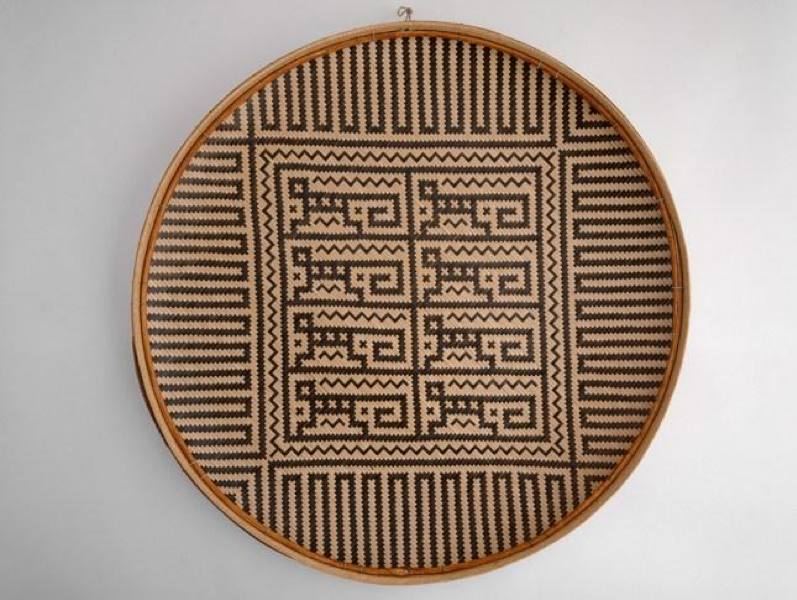
“Aboriginal Art” is made up of utensils for daily use, made with raw materials from the geographical environment, such as wood, skins, feathers from wild animals and a wide variety of plant fibers with which they have developed the most beautiful basketry in America.
They know very ancient techniques preserved by oral tradition since time immemorial. Each Community has special skills;
The Yanomami preserve the secret of preparing curare for arrowheads.
The highlight of the Piaroa are the ritual masks for the Warime festival. Character from mythology. They are experts in preparing yopo, a hallucinogenic substance for the exclusive use of the Shaman in healing rites.
The Ye'kwana are excellent manufacturers of blowguns and curiaras (canoes). The basketry is made by the women for commercial exchange.
The Arawac practice ceramics, feather art and cumare hammock weaving, as well as basketry in chiquichiqui fiber.
Due to their ethnographic value and aesthetic designs, all objects from the Amazon are in great demand in galleries, specialized museums and by collectors.
Photos: Artesanía y Folklore magazine archive
EnglishThe aboriginal art of the Amazon
In the south of Venezuela, with an extensive border between Colombia and Brazil, the state of Amazonas extends over 180,375 km², with about 100,000 inhabitants (according to Dr. Emilio Mosonyi), of Caribbean and Arawac linguistic affiliation. The "green lung of the planet", as it is known for its capacity to absorb tons of carbon dioxide, is the habitat of an "Ethnic Mosaic" made up of 12 tribes called: Sanema-Yanomami, Yekuana, Warekena, Curripaco, Bare, Baniwa, Piapoco, Piaroa, Guahibos, Hoti, Puinabe and Panare.
The inaccessible conditions of the jungle have allowed them to live away from the Creole population, thus preserving their cultural traits and living in harmony with nature. They are the best defenders of biodiversity.
The "aboriginal art" is made up of utensils for daily use, made with raw materials from the geographical environment, such as wood, skins, wild animal feathers and a great variety of vegetable fibers with which they have developed the most beautiful basketry in America. They know very ancient techniques preserved by oral tradition since time immemorial. Each community has special skills; the Yanomami keep the secret of the preparation of "curare" for arrowheads. The highlight of the Piaroa are the ritual masks for the feast of the Warime, a mythological character. They are experts in the preparation of "yopo", a hallucinogenic substance for the exclusive use of the Shaman in healing rites.
The Ye'kwana are excellent makers of blowguns and "curiaras" (canoes). Basketry is made by women for commercial exchange. The Arawac practice pottery, feather art and the weaving of cumare hammocks, as well as basketry in "chiquichiqui" fiber.
Because of their ethnographic value and their aesthetic designs, all the objects of the Amazon are in great demand in galleries, specialized museums and by collectors.
Reviews
There are no reviews yet.