
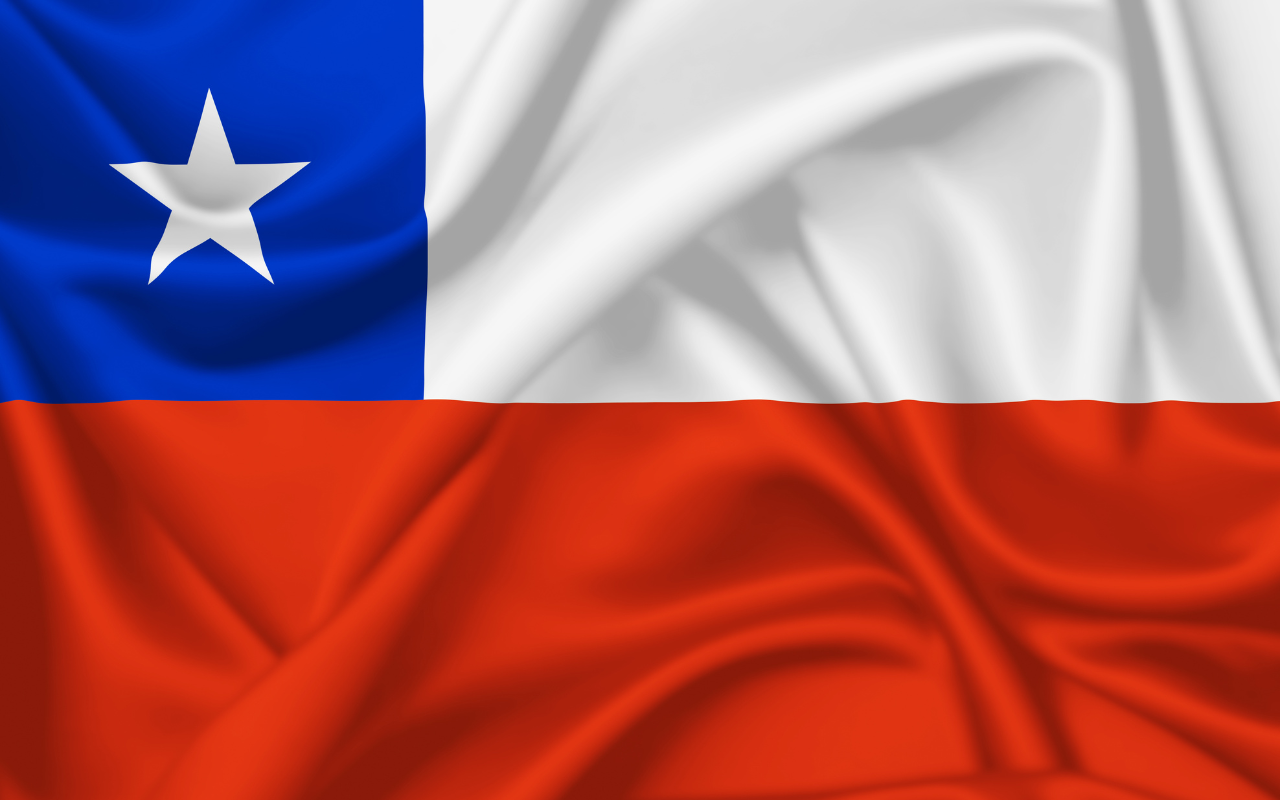
Chile’s crafts are a rich expression of its diverse landscapes and cultural heritage, combining indigenous traditions with Spanish colonial influences. The Mapuche people, originally from southern Chile, are famous for their intricate silver jewelry, bold wool textiles, and wood carvings. Their weaving techniques, which use sheep’s wool, produce vibrant ponchos and blankets adorned with geometric patterns that symbolize natural elements and ancient beliefs. In the central regions, pottery made from local clay is a long tradition, particularly in Pomaire, where artisans create both decorative and functional pieces. Additionally, the island of Chiloé is famous for its colorful wool products, such as socks, hats and scarves, made from sheep’s wool, as well as its unique wooden crafts. Chilean crafts are not only an artistic expression but also a way to preserve indigenous culture and support local artisans throughout the country.

Quinchamalí is a village in the municipality of Chillán, in the province of Diguillin, Ñuble Region, Chile. It is historically known for the production of black ceramics, as is its neighboring town, Santa Cruz de Cuca, located to the south of it. The characteristics of the ceramic are its black color, obtained by smoking at the end of the (Read More)

Pomaire is a small town, located 70 km from Santiago in the commune of Melipilla, province of the same name in the Metropolitan Region. There are antecedents of indigenous pottery production, prior to the arrival of the Spanish. With their arrival, they adapted their production to the demands of this culture with new objects, (Read More)

Doñihue is located 100 km from Santiago, in the province of Cachapoal, capital of the O’Higgins Region. It has a long history as an area of horse breeding farms, which is why it is associated with the figure of the «huaso» on horseback, an iconic character that represents an individual who is dedicated to agricultural activities, (Read More)

Rari is a town in the commune of Colbún, Maule Region, Chile, located at the foot of the Andes Mountains, with a population of around 1,300 inhabitants. Rari is known for its fine miniature crafts, woven with horsehair, along with a plant fiber called «ixtle» or «tampico», from Mexico, which is used to give (Read More)

The Aymara people belong to the cultures originating from South America that inhabit western Bolivia, southeastern Peru, northern Chile and northwest Argentina. In Chile they have lived in the regions of Arica and Parinacota and Tarapacá and Antofagasta, in the highlands and high valleys of the foothills and in the lower valleys and cities of the north. (Read More)

The Big Island of Chiloé is the largest of the islands that make up the Chiloé archipelago, a group of islands located in the Los Lagos Region, in southern Chile. It is crossed from north to south by the Coastal Mountain Range. The area is characterized by its maritime activity, its strong religiosity, its crafts in fiber, wool and wood, and (Read More)

Rapa Nui is an island located in the Polynesian archipelago in the Pacific Ocean, 3,700 km from mainland Chile, and was annexed to Chile in 1888. It is well known for its monumental stone statues, called «moais», human figures with enormous carved heads. resting on large stone pedestals. It is estimated that there are 900 (Read More)

At the time of the Hispanic conquest, the Mapuche inhabited the southern territory of Chile, a people made up of a series of independent groups that shared the same territory, language and certain cultural traits. Its traditional economic system was based on hunting and horticulture, then in the 18th and 19th centuries (Read More)

At the time of the Hispanic conquest, the Mapuche inhabited the southern territory of Chile, a people made up of a series of independent groups that shared the same territory, language and certain cultural traits. Its traditional economic system was based on hunting and horticulture, then in the 18th and 19th centuries (Read More)

During the Hispanic conquest, the Mapuche lived in the south of Chile, a people made up of a series of independent groups that shared territory, language and cultural traits. Their economic system was based on hunting and horticulture, then in the 18th and 19th centuries they adapted to a system of agriculture and livestock. (Read More)