
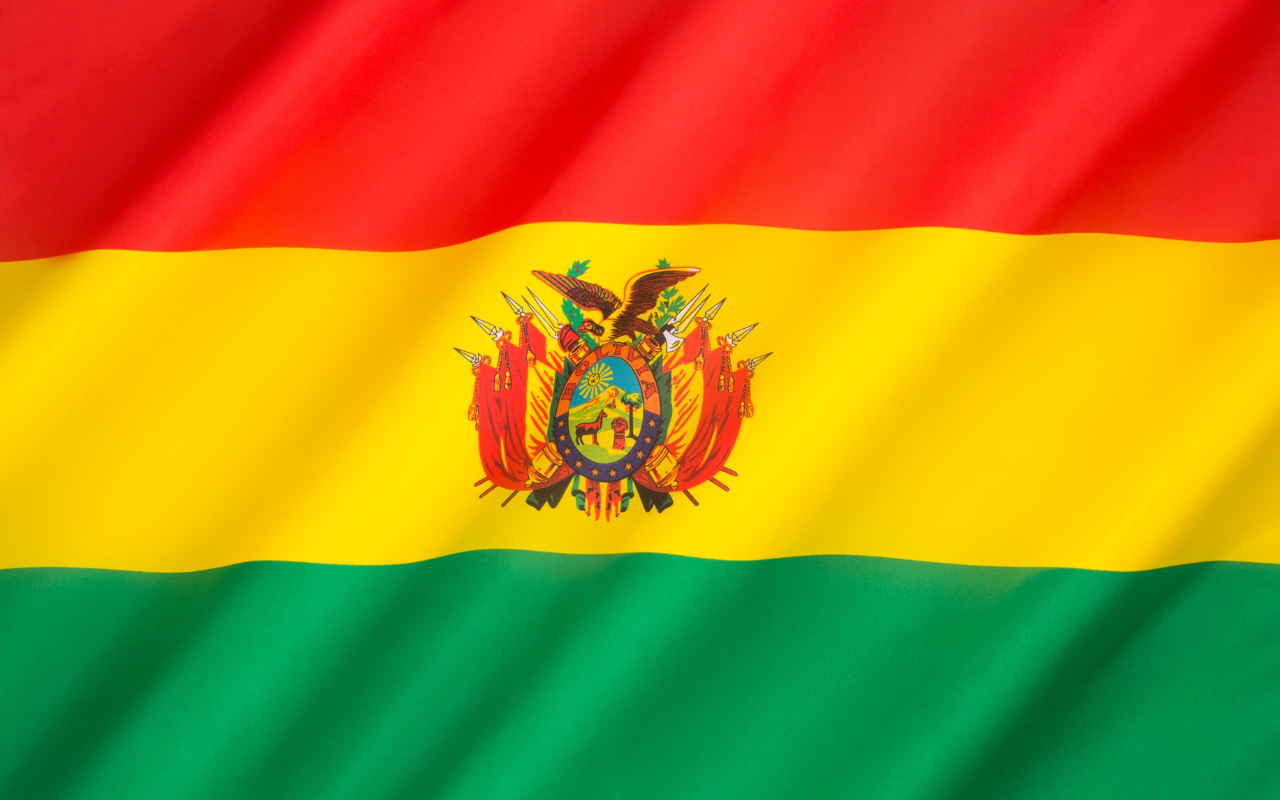
Bolivia is recognized for its vibrant and diverse crafts, deeply rooted in the country’s indigenous cultures and traditions. Each region offers its own unique artistic expression, reflecting the rich heritage of the Aymara, Quechua and other native communities. The highlands are famous for their intricate textiles, woven using traditional techniques passed down from generation to generation, often incorporating vivid colors and geometric patterns. Alpaca and llama wool is commonly used to make garments such as ponchos, shawls and scarves. In the lowlands, artisans excel at creating pottery, wood carvings and jewelry, often inspired by the natural environment and local folklore. Bolivian crafts serve not only as a means of artistic expression but also as a way to preserve cultural identity and support local economies.

The Urus are the oldest inhabitants of the Andean Altiplano. They identify themselves as qhas qot zoñi (people of the water), whose main means of life, since ancient times, has been fishing, hunting and gathering in lake environments. The Uru culture is closely linked to water and its resources, one of which is the «reed» (Typha, Linnaeus), which (Read More)

It is a Bolivian musical instrument of the chordophone family. There is a hypothesis that its origin is related to the introduction of the Spanish vihuela in colonial times, which was imitated by indigenous populations adapting it to their cultural context. The result is the charango. Today in (Read More)

One of the greatest cultural heritages of Bolivia are textiles whose existence dates back to the pre-Hispanic past and has remained until today as a reference of cultural diversity. Andean textiles represent centuries of knowledge, skills and technical abilities that indigenous communities (Urus, Aymara and Quechua) (Read More)

The Oruro Carnival masks are one of the essential elements of the iconic dance of this carnival, which is the only one performed out of faith and devotion to the Virgin of Candelaria, who is the patron saint of Oruro.
There are several techniques to make the Carnival masks. Oruro (plaster, brass, sponge, fiberglass, etc.), (Read More)

The ancestral earthenware that remains perennial over time. The knowledge and skills of the aborigines, which are transmitted from generation to generation, traditions and customs, are maintained in different contexts, who create in clay images of animals, masks and utensils that have certain uses, such as the small bull. (Read More)

The development of the art of wood carving and sculpture occurs in the tropical region of Chiquitanía, in the Department of Santa Cruz. The history of this art dates back to the making of ritual masks by the indigenous populations who inhabited the area in pre-Hispanic times. It was in the colonial era, with the (Read More)

Folklore festivals are cultural events of particular importance in Bolivia, consisting of the parade of a variety of dances of pre-Hispanic, colonial and republican origin. An element that characterizes folk dances are the colorful costumes, made by skilled artisans, whose mission is to dress hundreds of dancers. The costumes of some. (Read More)