
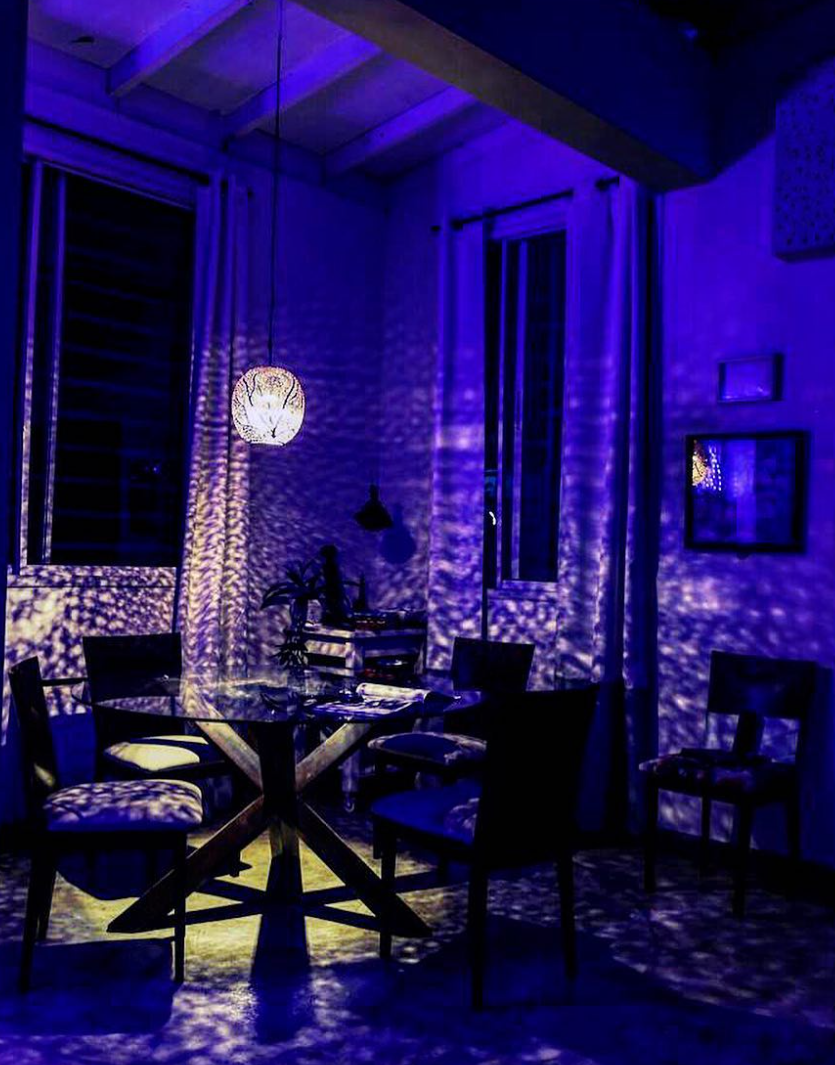
Calabash screen by Cayes Jacmel

De la familia de las cucurbitáceas y de nombre científico Lagenaria siceraria, la calabaza es una fruta parecida a la calabaza. Tradicionalmente se seca y se ahueca. De un gusano vibrante, el material acabado se vuelve marrón claro u oscuro según la técnica de secado. Ligera e impermeable, se utiliza tradicionalmente para transportar líquidos o […]

Descripción

De la familia de las cucurbitáceas y de nombre científico Lagenaria siceraria, la calabaza es una fruta parecida a la calabaza. Tradicionalmente se seca y se ahueca. De un gusano vibrante, el material acabado se vuelve marrón claro u oscuro según la técnica de secado. Ligera e impermeable, se utiliza tradicionalmente para transportar líquidos o hacer cuencos (kwi). Apart from this domestic use, artisans also use it decoratively, in the form of masks, assembled into lampshades or worked into lampshades.

In the case of screens, they are obtained from the whole fruit, emptied and dried. The interior is scraped to remove any organic content and prevent mold. After the drying time, which depends on the climate and the size of the fruit, the pumpkin is sanded. The design follows the shape of the fruit, each fruit is unique, the design is traced and made with a punch. This work is completely manual. Pumpkins are very versatile and durable. They are waterproof and can be used outdoors. They can be polished, painted or left raw.

The Jacmel region in southeastern Haiti is known for the production of this craft, but this know-how exists throughout the country. Deforestation due to urbanization and the massive import of plastic are endangering this craft.

French

Calabash screen by Cayes Jacmel From the family of cucurbitacées and scientific names Lagenaria siceraria, calebasse is a fruit similar to a courge. Il est traditionnellement séché et evidé. With a vibrant look, the material finally becomes clear brown or based on the drying technique. Leger et étanche, il est traditionnellement utilisé pour transporter des liquides ou pour en faire des bols (kwi). In the dehors of this ménagère utilisation, the artisans also use the decorative manière, sous form of masques, assembles in paravent or work sous form d’abats jours.

In the last few days, they are obtained from the complete fruit, évidé et seché. The interior is pleasant to reveal all organic content and avoid moisture. After the drying times that depend on the temperatures and the tail of the fruit, the calebasse is ensuite sablée. The design suits the shape of fruit, the fruit is very unique, the design is traced and is made of poinçon. Ce travail est entièrement manuel. The calebasses are three versatile and durable. Etanches, they can be used outdoors. The last job is for the police, but it is still brut.

La région de Jacmel au Sud-est d’Haiti est connue pour cette production d’objet artisanaux mais ce savoir-faire existent dans tout le countries. La déforestation liée à l’urbanisation et l’importation massive du plastique rend ce savoir-faire en danger.

english

Calabash screen of Cayes JacmelFrom the cucurbitaceae family and scientific name «Lagenaria siceraria», this is a pumpkin-like fruit with different shapes. In other places it is known as «bules» or «guajes» and also has medicinal uses. It is traditionally dried and hollowed out. Vibrant in colour, the finished material turns light or dark brown depending on the drying technique. Lightweight and waterproof, it is traditionally used for carrying liquids or making bowls («kwi»). In addition to this domestic use, craftsmen also used it decoratively, in the form of masks and worked into lampshades.

In the case of lampshades, they are obtained from the whole fruit, hollowed out and dried. The inside is scraped to remove any organic content and to prevent mold. After the drying time, which depends on the climate and the size of the fruit, the gourd is sanded. The design follows the shape of the fruit, each fruit is unique, the design is traced and made with a punch. This work is done entirely by hand. The gourds are very versatile and durable. They are waterproof and can be used outdoors. They can be polished, painted or left raw.

The region of Jacmel, in the southeast of Haiti, is known for the production of this craft, but this know-how exists all over the country. Deforestation due to urbanization and the massive importation of plastic are endangering this craft in Haiti.

Valoraciones

No hay valoraciones aún.

Sé el primero en valorar “Calabash screen by Cayes Jacmel”

Tu dirección de correo electrónico no será publicada. Los campos obligatorios están marcados con *

Descripción

De la familia de las cucurbitáceas y de nombre científico Lagenaria siceraria, la calabaza es una fruta parecida a la calabaza. Tradicionalmente se seca y se ahueca. De un gusano vibrante, el material acabado se vuelve marrón claro u oscuro según la técnica de secado. Ligera e impermeable, se utiliza tradicionalmente para transportar líquidos o hacer cuencos (kwi). Apart from this domestic use, artisans also use it decoratively, in the form of masks, assembled into lampshades or worked into lampshades.

In the case of screens, they are obtained from the whole fruit, emptied and dried. The interior is scraped to remove any organic content and prevent mold. After the drying time, which depends on the climate and the size of the fruit, the pumpkin is sanded. The design follows the shape of the fruit, each fruit is unique, the design is traced and made with a punch. This work is completely manual. Pumpkins are very versatile and durable. They are waterproof and can be used outdoors. They can be polished, painted or left raw.

The Jacmel region in southeastern Haiti is known for the production of this craft, but this know-how exists throughout the country. Deforestation due to urbanization and the massive import of plastic are endangering this craft.

French

Calabash screen by Cayes Jacmel From the family of cucurbitacées and scientific names Lagenaria siceraria, calebasse is a fruit similar to a courge. Il est traditionnellement séché et evidé. With a vibrant look, the material finally becomes clear brown or based on the drying technique. Leger et étanche, il est traditionnellement utilisé pour transporter des liquides ou pour en faire des bols (kwi). In the dehors of this ménagère utilisation, the artisans also use the decorative manière, sous form of masques, assembles in paravent or work sous form d’abats jours.

In the last few days, they are obtained from the complete fruit, évidé et seché. The interior is pleasant to reveal all organic content and avoid moisture. After the drying times that depend on the temperatures and the tail of the fruit, the calebasse is ensuite sablée. The design suits the shape of fruit, the fruit is very unique, the design is traced and is made of poinçon. Ce travail est entièrement manuel. The calebasses are three versatile and durable. Etanches, they can be used outdoors. The last job is for the police, but it is still brut.

La région de Jacmel au Sud-est d’Haiti est connue pour cette production d’objet artisanaux mais ce savoir-faire existent dans tout le countries. La déforestation liée à l’urbanisation et l’importation massive du plastique rend ce savoir-faire en danger.

english

Calabash screen of Cayes JacmelFrom the cucurbitaceae family and scientific name «Lagenaria siceraria», this is a pumpkin-like fruit with different shapes. In other places it is known as «bules» or «guajes» and also has medicinal uses. It is traditionally dried and hollowed out. Vibrant in colour, the finished material turns light or dark brown depending on the drying technique. Lightweight and waterproof, it is traditionally used for carrying liquids or making bowls («kwi»). In addition to this domestic use, craftsmen also used it decoratively, in the form of masks and worked into lampshades.

In the case of lampshades, they are obtained from the whole fruit, hollowed out and dried. The inside is scraped to remove any organic content and to prevent mold. After the drying time, which depends on the climate and the size of the fruit, the gourd is sanded. The design follows the shape of the fruit, each fruit is unique, the design is traced and made with a punch. This work is done entirely by hand. The gourds are very versatile and durable. They are waterproof and can be used outdoors. They can be polished, painted or left raw.

The region of Jacmel, in the southeast of Haiti, is known for the production of this craft, but this know-how exists all over the country. Deforestation due to urbanization and the massive importation of plastic are endangering this craft in Haiti.

Valoraciones

No hay valoraciones aún.

Sé el primero en valorar “Calabash screen by Cayes Jacmel”

Tu dirección de correo electrónico no será publicada. Los campos obligatorios están marcados con *

Descripción

De la familia de las cucurbitáceas y de nombre científico Lagenaria siceraria, la calabaza es una fruta parecida a la calabaza. Tradicionalmente se seca y se ahueca. De un gusano vibrante, el material acabado se vuelve marrón claro u oscuro según la técnica de secado. Ligera e impermeable, se utiliza tradicionalmente para transportar líquidos o hacer cuencos (kwi). Apart from this domestic use, artisans also used it decoratively, in the form of masks, assembled into lampshades or worked into lampshades.

In the case of screens, they are obtained from the whole fruit, emptied and dried. The interior is scraped to remove any organic content and prevent mold. After the drying time, which depends on the climate and the size of the fruit, the pumpkin is sanded. The design follows the shape of the fruit, each fruit is unique, the design is traced and made with a punch. This work is completely manual. Pumpkins are very versatile and durable. They are waterproof and can be used outdoors. They can be polished, painted or left raw.

The Jacmel region in southeastern Haiti is known for the production of this craft, but this know-how exists throughout the country. Deforestation due to urbanization and the massive import of plastic are endangering this craft.

French

Calabash screen by Cayes Jacmel From the family of cucurbitacées and scientific names Lagenaria siceraria, calebasse is a fruit similar to a courge. Il est traditionnellement séché et evidé. With a vibrant look, the material finally becomes clear brown or based on the drying technique. Leger et étanche, il est traditionnellement utilisé pour transporter des liquides ou pour en faire des bols (kwi). In the dehors of this ménagère utilisation, the artisans also use the decorative manière, sous form of masques, assembles in paravent or work sous form d’abats jours.

In the last few days, they are obtained from the complete fruit, évidé et seché. The interior is pleasant to reveal all organic content and avoid moisture. After the drying times that depend on the temperatures and the tail of the fruit, the calebasse is ensuite sablée. The design suits the shape of fruit, the fruit is very unique, the design is traced and is made of poinçon. Ce travail est entièrement manuel. The calebasses are three versatile and durable. Etanches, they can be used outdoors. The last job is for the police, but it is still brut.

La région de Jacmel au Sud-est d’Haiti est connue pour cette production d’objet artisanaux mais ce savoir-faire existent dans tout le countries. La déforestation liée à l’urbanisation et l’importation massive du plastique rend ce savoir-faire en danger.

english

Calabash screen of Cayes JacmelFrom the cucurbitaceae family and scientific name «Lagenaria siceraria», this is a pumpkin-like fruit with different shapes. In other places it is known as «bules» or «guajes» and also has medicinal uses. It is traditionally dried and hollowed out. Vibrant in colour, the finished material turns light or dark brown depending on the drying technique. Lightweight and waterproof, it is traditionally used for carrying liquids or making bowls («kwi»). In addition to this domestic use, craftsmen also used it decoratively, in the form of masks and worked into lampshades.

In the case of lampshades, they are obtained from the whole fruit, hollowed out and dried. The inside is scraped to remove any organic content and to prevent mold. After the drying time, which depends on the climate and the size of the fruit, the gourd is sanded. The design follows the shape of the fruit, each fruit is unique, the design is traced and made with a punch. This work is done entirely by hand. The gourds are very versatile and durable. They are waterproof and can be used outdoors. They can be polished, painted or left raw.

The region of Jacmel, in the southeast of Haiti, is known for the production of this craft, but this know-how exists all over the country. Deforestation due to urbanization and the massive importation of plastic are endangering this craft in Haiti.

Valoraciones

No hay valoraciones aún.

Sé el primero en valorar “Calabash screen by Cayes Jacmel”

Tu dirección de correo electrónico no será publicada. Los campos obligatorios están marcados con *

Descripción

De la familia de las cucurbitáceas y de nombre científico Lagenaria siceraria, la calabaza es una fruta parecida a la calabaza. Tradicionalmente se seca y se ahueca. De un gusano vibrante, el material acabado se vuelve marrón claro u oscuro según la técnica de secado. Ligera e impermeable, se utiliza tradicionalmente para transportar líquidos o hacer cuencos (kwi). Apart from this domestic use, artisans also use it decoratively, in the form of masks, assembled into lampshades or worked into lampshades.

In the case of screens, they are obtained from the whole fruit, emptied and dried. The interior is scraped to remove any organic content and prevent mold. After the drying time, which depends on the climate and the size of the fruit, the pumpkin is sanded. The design follows the shape of the fruit, each fruit is unique, the design is traced and made with a punch. This work is completely manual. Pumpkins are very versatile and durable. They are waterproof and can be used outdoors. They can be polished, painted or left raw.

The Jacmel region in southeastern Haiti is known for the production of this craft, but this know-how exists throughout the country. Deforestation due to urbanization and the massive import of plastic are endangering this craft.

French

Calabash screen by Cayes Jacmel From the family of cucurbitacées and scientific names Lagenaria siceraria, calebasse is a fruit similar to a courge. Il est traditionnellement séché et evidé. With a vibrant look, the material finally becomes clear brown or based on the drying technique. Leger et étanche, il est traditionnellement utilisé pour transporter des liquides ou pour en faire des bols (kwi). In the dehors of this ménagère utilisation, the artisans also use the decorative manière, sous form of masques, assembles in paravent or work sous form d’abats jours.

In the last few days, they are obtained from the complete fruit, évidé et seché. The interior is pleasant to reveal all organic content and avoid moisture. After the drying times that depend on the temperatures and the tail of the fruit, the calebasse is ensuite sablée. The design suits the shape of fruit, the fruit is very unique, the design is traced and is made of poinçon. Ce travail est entièrement manuel. The calebasses are three versatile and durable. Etanches, they can be used outdoors. The last job is for the police, but it is still brut.

La région de Jacmel au Sud-est d’Haiti est connue pour cette production d’objet artisanaux mais ce savoir-faire existent dans tout le countries. La déforestation liée à l’urbanisation et l’importation massive du plastique rend ce savoir-faire en danger.

english

Calabash screen of Cayes JacmelFrom the cucurbitaceae family and scientific name «Lagenaria siceraria», this is a pumpkin-like fruit with different shapes. In other places it is known as «bules» or «guajes» and also has medicinal uses. It is traditionally dried and hollowed out. Vibrant in colour, the finished material turns light or dark brown depending on the drying technique. Lightweight and waterproof, it is traditionally used for carrying liquids or making bowls («kwi»). In addition to this domestic use, craftsmen also used it decoratively, in the form of masks and worked into lampshades.

In the case of lampshades, they are obtained from the whole fruit, hollowed out and dried. The inside is scraped to remove any organic content and to prevent mold. After the drying time, which depends on the climate and the size of the fruit, the gourd is sanded. The design follows the shape of the fruit, each fruit is unique, the design is traced and made with a punch. This work is done entirely by hand. The gourds are very versatile and durable. They are waterproof and can be used outdoors. They can be polished, painted or left raw.

The region of Jacmel, in the southeast of Haiti, is known for the production of this craft, but this know-how exists all over the country. Deforestation due to urbanization and the massive importation of plastic are endangering this craft in Haiti.

Valoraciones

No hay valoraciones aún.

Sé el primero en valorar “Calabash screen by Cayes Jacmel”

Tu dirección de correo electrónico no será publicada. Los campos obligatorios están marcados con *

Descripción

De la familia de las cucurbitáceas y de nombre científico Lagenaria siceraria, la calabaza es una fruta parecida a la calabaza. Tradicionalmente se seca y se ahueca. De un gusano vibrante, el material acabado se vuelve marrón claro u oscuro según la técnica de secado. Ligera e impermeable, se utiliza tradicionalmente para transportar líquidos o hacer cuencos (kwi). Aparte de este uso doméstico, los artesanos también lo emplean decorativamente, en forma de máscaras, ensamblado en pantallas o trabajado en pantallas de lámparas.

En el caso de las pantallas, se obtienen del fruto entero, vaciado y secado. El interior se raspa para eliminar cualquier contenido orgánico y evitar el moho. Tras el tiempo de secado, que depende del clima y del tamaño de la fruta, se lija la calabaza. El diseño sigue la forma de la fruta, cada fruta es única, el diseño se calca y se hace con un punzón. Este trabajo es totalmente manual. Las calabazas son muy versátiles y duraderas. Son impermeables y pueden utilizarse al aire libre. Se pueden pulir, pintar o dejar en crudo.

La región de Jacmel, en el sureste de Haití, es conocida por la producción de esta artesanía, pero este saber hacer existe en todo el país. La deforestación debida a la urbanización y la importación masiva de plástico están poniendo en peligro esta artesanía.

francés

Calabash pantalla de Cayes Jacmel 

De la famille des cucurbitacées et de son nom scientifique Lagenaria siceraria, la calebasse est un fruit similaire a une courge. Il est traditionnellement séché et evidé. D’un ver vibrant, le matériel fini devient marron clair ou fonce selon la technique de séchage. Leger et étanche, il est traditionnellement utilisé pour transporter des liquides ou pour en faire des bols (kwi). En dehors de cette utilisation ménagère, les artisans l’utilisent aussi de manière décorative, sous forme de masques, assembles en paravent ou travaillés sous forme d’abats jours.

Dans le cas des abat-jours, ils sont obtenus à partir du fruit complet, évidé et séché. L’intérieur est gratté pour enlever tout contenu organique et éviter les moisissures. Après le temps de séchage qui dépend du temps et de la taille du fruit, la calebasse est ensuite sablée. Le dessin suit la forme du fruit, chaque fruit étant unique, le dessin est tracé et se fait au poinçon. Ce travail est entièrement manuel. Les calebasses sont très versatiles et durables. Etanches, elles peuvent être utilisées en extérieur. Le travail fini peut être poli, peint ou rester brut.

La région de Jacmel au Sud-est d’Haiti est connue pour cette production d’objet artisanaux mais ce savoir-faire existe dans tout le pays. La déforestation liée à l’urbanisation et l’importation massive du plastique rend ce savoir-faire en danger.

english

Calabash screen of Cayes Jacmel

From the cucurbitaceae family and scientific name «Lagenaria siceraria», this is a pumpkin-like fruit with different shapes. In other places it is known as «bules» or «guajes» and also has medicinal uses. It is traditionally dried and hollowed out. Vibrant in colour, the finished material turns light or dark brown depending on the drying technique. Lightweight and waterproof, it is traditionally used for carrying liquids or making bowls («kwi» ). In addition to this domestic use, craftsmen also use it decoratively, in the form of masks and worked into lampshades.

In the case of lampshades, they are obtained from the whole fruit, hollowed out and dried. The inside is scraped to remove any organic content and to prevent mould. After the drying time, which depends on the climate and the size of the fruit, the gourd is sanded. The design follows the shape of the fruit, each fruit is unique, the design is traced and made with a punch. This work is done entirely by hand. The gourds are very versatile and durable. They are waterproof and can be used outdoors. They can be polished, painted or left raw.

The region of Jacmel, in the southeast of Haiti, is known for the production of this craft, but this know-how exists all over the country. Deforestation due to urbanisation and the massive importation of plastic are endangering this craft in Haiti.

Valoraciones

No hay valoraciones aún.

Sé el primero en valorar “Calabash pantalla de Cayes Jacmel”

Tu dirección de correo electrónico no será publicada. Los campos obligatorios están marcados con *