
Description
Argentine silversmithing is the most important tradition in the branch of metals and different aspects and contributions can be recognized in it. Silversmithing, goldsmithing, filigree, engravings are part of the jargon of trades and specialties of the branch of artisanal metal production. Some of its expressions are intangible cultural heritage of our country.
The tradition of noble or precious metals has a long history in our territory. This is testified by the objects that date back to 1000 BC in the early agro-pottery moments of Northwestern Argentina, as well as the high-altitude offerings in the closest pre-Hispanic periods. Since the 16th century, the craft branch has experienced growth with different contributions reflected in emblematic works from the historical collections of different institutions.
Colonial silverware has its most vital expression in filigree, a specialty that is maintained in the province of Jujuy in the hands of traditional artisans such as Luisa Serrano. The development of the River Plate silversmithing trades in the period of national consolidation as well as the contribution of the immigration flows of the late 19th and early 20th centuries gave the character of a production present today in some Argentine regions. This is the case of the Spanish-American school of Emilio Patarca, master craftsman declared Living Heritage of the City of Buenos Aires in 2006. Or the Olavarriense silversmithing, considered local intangible heritage and disseminated by master Armando Ferreira*, declared Master Craftsman of his province.
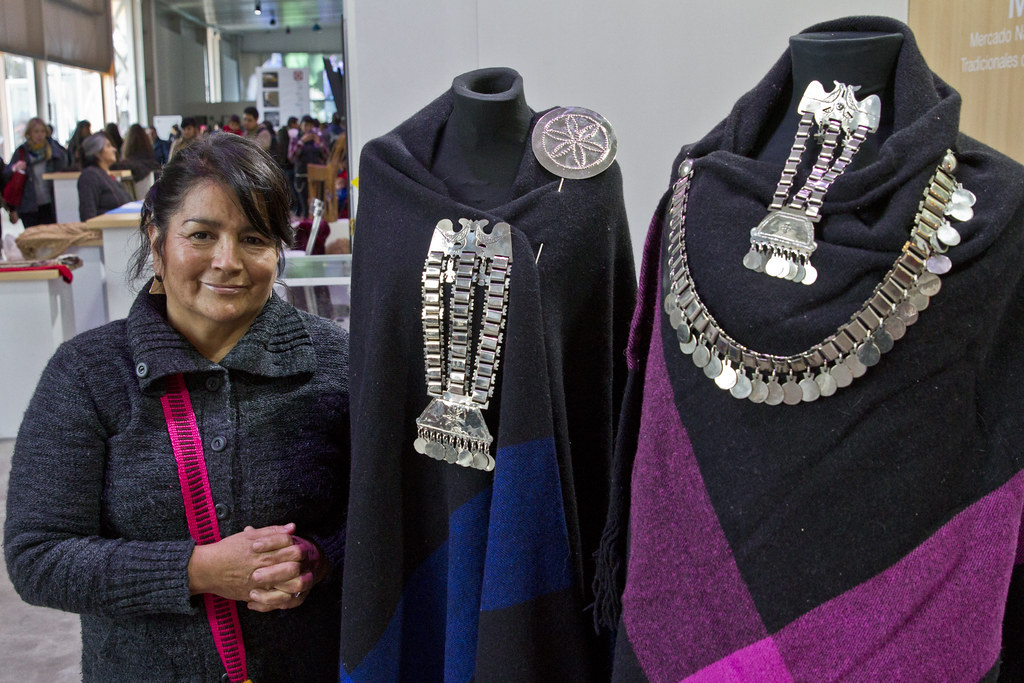
The end of the 20th century was characterized by being a stage of consolidation of the trades, marked by the institutionalization of silversmithing and goldsmithing schools, and the creative innovations of new generations of silversmiths. During the s. XXI an important process is developed in terms of recovery of legacies and identity as part of indigenous self-recognition. It is about the revitalization of the indigenous Mapuche silversmithing tradition, with important master craftsmen of the specialty such as the retrafe Silvia Rinque.
Notes
* Law 12,456 declares of Provincial Interest the artisanal activity developed by Buenos Aires artisans as producers of elements of cultural significance and the preservation, promotion, dissemination and development of Buenos Aires crafts and establishes the figure of the Master Artisan as a distinction to the work and career of those artisans who have stood out for their craftsmanship and for having fulfilled the mission of contributing to the validity of Buenos Aires traditions, through the dissemination and transmission of techniques or skills that They are part of the provincial cultural heritage.
englishSilversmithing
Argentinian silversmithing stands as the preeminent tradition within the realm of metals, distinguished by various aspects and significant contributions. Silversmithing, goldsmithing, filigree, and engravings form integral components of the specialized language within the domain of handcrafted metal production. Several expressions of this art are deemed intangible cultural heritage in our country.
The tradition of noble or precious metals has a long history in Argentina, as evidenced by objects dating back to 1000 BC during the early agro-pottery eras of the Argentine Northwest. Additionally, there are high-altitude offerings from the closest pre-Hispanic periods. Starting from the 16th century, the handicraft branch has experienced growth with various contributions, evident in emblematic works of art found in the historical collections of different institutions.
Colonial silversmithing has its most vital expression in filigree, a specialty that in the province of Jujuy is maintained by traditional artisans such as Luisa Serrano. The development of the crafts of Rioplatense silversmithing in the period of national consolidation, as well as the contribution of the immigrant currents of the late 19th and early 20th centuries, gave the character of a production that is still present today in some Argentinian regions. This is the case of the Hispano-American school of Emilio Patarca, a master craftsman who was declared a Living Heritage of the City of Buenos Aires in 2006, or the silverware from Olavarria, considered to be local intangible heritage and disseminated by the master Armando Ferreira*, also declared Master Craftsman of his province.
The end of the 20th century was characterized by a period of consolidation of the trades, marked by the institutionalization of silversmithing and goldsmithing schools, and the creative innovations of new generations of silversmiths. During the 21st century, an important process developed in terms of the recovery of legacies and identity as part of indigenous self-recognition. This is the revitalization of the indigenous Mapuche silversmith tradition, with important master craftsmen of the specialty such as the retrafe (a community member who designs and manufactures silver pieces) Silvia Rinque.
notes
* Law 12.456 declares of Provincial Interest the artisan activity developed by the artisans of the province of Buenos Aires as producers of elements of cultural significance, and the preservation, promotion, dissemination, and development of the crafts of the Province of Buenos Aires, and institutes the figure of the Master Artisan as a distinction to the work and trajectory of those artisans who have stood out for their artisan work and for having fulfilled the mission of contributing to the validity of the traditions of the province through the dissemination and transmission of techniques or skills that are part of the provincial cultural heritage.
Reviews
There are no reviews yet.