
Description
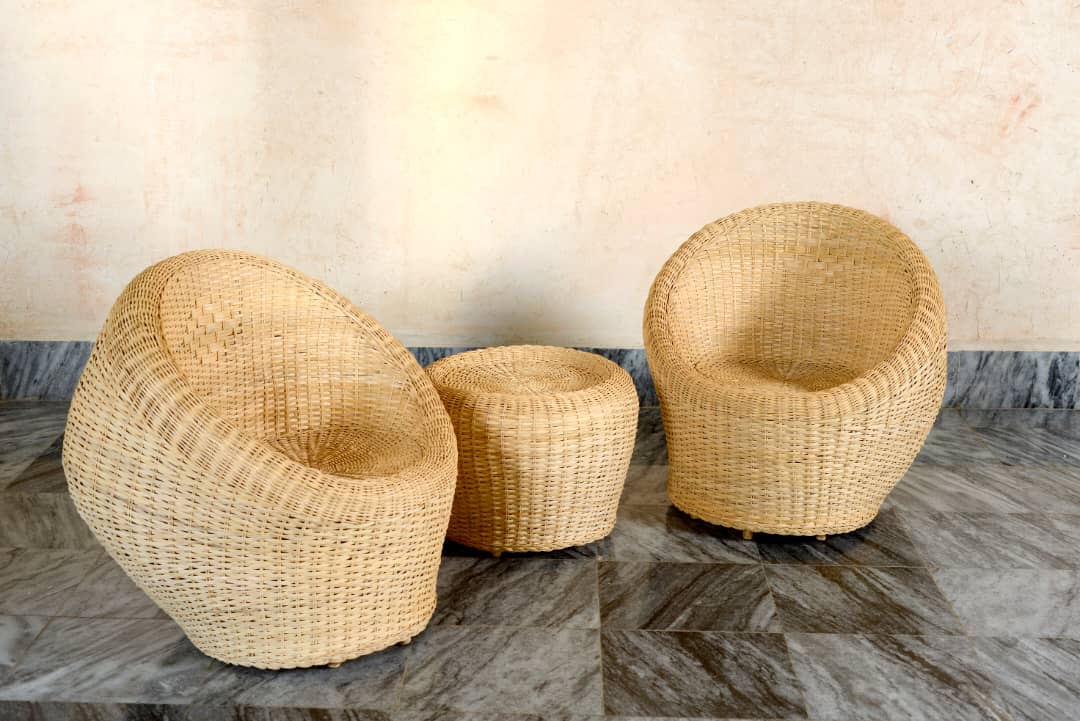
Among the artisanal manifestations with great roots in Cuba, is basketry, the name given to the works of plant fiber fabrics with which various objects are made, such as the traditional peasant hat of yarey, baskets for collecting fruit, fishing pots and a wide variety of items: baskets, sewing boxes, centerpieces, hats, sandals, handbags, etc. Toys and masks associated with festivities such as San Juan are also made.
There is a great diversity of fibers, with yarey being one of the most widespread, especially in the central-eastern region. Castilla cane, tibisí, macusey, yagua, coconut, corn, anacagüita, reeds, malangueta, guaniquiqui, wicker, henequén, plantain, among others, are also worked. Some of these species are native to Cuba, such as the yuraguano with almost circular leaves and the royal palm. Most are found wild along rivers and streams, on flat land or in mountainous areas. There are species that are typical of certain regions such as the anacahuita of Guantánamo, the easternmost province of the country.
The degree of durability and flexibility of a fiber, as well as its color and texture qualities, constitute very highly valued elements for the manufacture of artisanal objects. The most used parts of the plants are the leaves, the bark and the leaf sheath, which in the palms is a tissue that remains on the stem when the leaf falls. Generally, they work with the color of the natural fiber, although they also combine the natural fiber with colored fibers that enhance the patterns of the fabric.
The production workshops are, in the vast majority, the home of the artisans themselves, many of them live in rural areas and in some provinces there are state workshops that produce furniture and basketry objects as a local industry.
englishVegetable fibers and basketry.
Among the artisanal manifestations of great roots in Cuba, there is basketry, the name that designates the works of vegetable fiber fabrics with which various objects are made, such as the traditional peasant hat of yarey, baskets for the collection of fruits, fishing pots and a wide variety of articles: baskets, baskets sewing boxes, centerpieces, hat furniture, sandals, purses, toys and masks associated with festivities such as San Juan are also made.
There is a great diversity of fibers, with yarey being one of the most popular, especially in the central-eastern region. They also work the sugar cane, the tibisí, the macusey, the yagua, the coconut, the corn, the anacagüita, the reeds, the malangueta, the guaniquiqui, the wicker, the henequen, the plantain, among others. Some of these species are native to Cuba, such as the almost circular-leaved yuraguano and the royal palm. Most are found wild along rivers and streams, on flat terrain or in mountainous areas. There are species that are native to certain regions, such as the anacahuita of Guantánamo, the easternmost province of the country.
The degree of durability and flexibility of a fiber, as well as its color and texture qualities, are highly valued elements for the manufacture of handmade objects. The most commonly used parts of the plants are the leaves, bark and leaf sheath, which in the palms is a tissue that remains on the stem when the leaf falls. They usually work with the color of the natural fiber, although they also combine the natural fiber with colored fibers that enhance the patterns of the fabric.
The production workshops are mostly the homes of the artisans themselves, many of whom live in rural areas and in some provinces there are state workshops that produce furniture and basketry objects as a local industry.
Reviews
There are no reviews yet.