
Description
Rari is a village in the Colbún commune, Maule Region, Chile, located at the foot of the foothills, with a population of around 1,300 inhabitants.
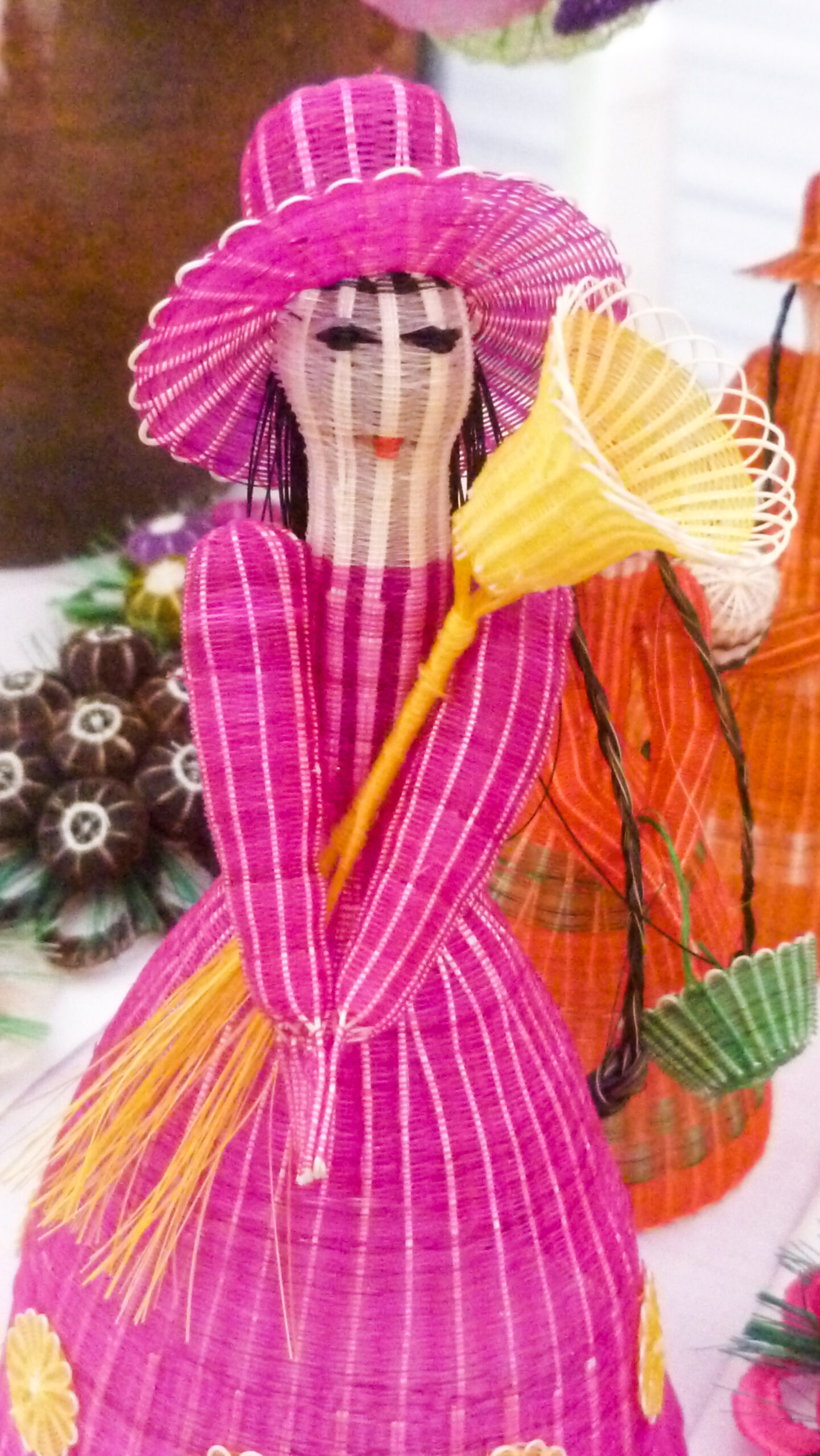
Rari is recognized for its fine miniature craftsmanship, woven with horsehair, along with a plant fiber called “ixtle” or “tampico”, from Mexico, which is used to give firmness to the structure of the fabric.
It is a craft passed down generationally by women for more than 200 years.
The technique consists of weaving the horsehair fibers around the ixtle fibers, which are more resistant and are arranged in the warp.
In the past, they began to weave with the roots of the tree called Alamo, but later they replaced the weft with horsehair and then the warp with the vegetable from Mexico, obtaining a much finer work.
The theme of objects is very varied and constantly surprises with new, increasingly complex proposals.
The most traditional objects are the pins with figures of butterflies, hats, flowers, mangers, figures of women with long dresses as from the beginning of the century. Today the variety is very great: necklaces, earrings, animal figures, bouquets of flowers, witches, angels, camellia flowers, religious scenes, among many others; in addition to incorporating new materials such as silver and copper
These figures are distinguished by a varied coloring of bright and contrasting tones obtained by dyeing the horsehair and sometimes also the plant.
The raw material they use is the hair from the tails of dead horses. For this, people who collect the material in the slaughterhouses go to sell it directly in the town. Once the horsehair is obtained, it is selected according to its thickness and quality, then it is deeply washed to be dyed, usually with artificial anilines. That is why the mane of white horses is the most required, but also the most scarce.
The vegetable is imported directly from a productive community in Mexico.
The community of Rari artisans was recognized as Living Human Treasures in 2010 by the Ministry of Culture, Arts and Heritage and UNESCO. It was also declared a craft city of the world 2015 by the Word Crafts Council.
EnglishBasketwork of Rari
Rari is a village in the commune of Colbún, Maule Region, Chile, located at the foot of the foothills of the Andes, with a population of around 1300 inhabitants. Rari is known for its fine miniature handicrafts, woven with horsehair, together with a vegetable fiber called "ixtle" or "tampico", from Mexico, which is used to give firmness to the structure of the fabric. It is a craft that has been passed down through the generations by women for over 200 years. The technique consists of weaving horsehair fibers around ixtle fibers, which are more resistant and are arranged in the warp. In the past, weaving began with the roots of the Alamo tree, but later the weft was replaced by the horsehair and then the warp was replaced by the Mexican plant, resulting in a much fine workmanship. The subject matter of the objects is very varied and they are constantly surprising us with new and increasingly complex proposals.
The most traditional objects are pins with figures of butterflies, little hats, flowers, cribs, figures of women in long dresses as at the beginning of the century. Today the variety is very large: necklaces, earrings, animal figures, bouquets of flowers, witches, angels, camellia flowers, religious scenes, among many others, as well as incorporating new materials such as silver and copper. These figures are distinguished by a variety of bright and contrasting colors obtained by dyeing the horsehair and sometimes also the plants. The raw material used is the hair from the tails of dead horses, for which people collect the material and sell it directly in the village. Once horse hair is obtained, it is selected according to its thickness and quality, then it is washed thoroughly to be dyed, usually with artificial anilines. This is why whitehair horse is the most sought after, but also the scarcest.
The vegetable is imported directly from a productive community in Mexico. The artisan community of Rari was recognized as a Living Human Treasure in 2010 by the Ministry of Culture, Arts and Heritage and UNESCO. It was also declared a craft city of the world in 2015 by the Word Crafts Council.
Reviews
There are no reviews yet.