
Description
In Argentina, ceramics has had an important development, and has become the third craft branch with the largest number of artists. Its origins date back to a rich pre-Hispanic tradition that is manifested in a copious archaeological heritage. In the current Argentine territory, the living heritage of indigenous pottery, ceramics characterized as creole or mestizo, and ceramics inspired by indigenous cultures, past or present, coexist.
Among the indigenous ceramics that are currently recognized as intangible heritage is the petyngua, which is a ñau pipe or clay pipe for spiritual use used by the elderly men and women of the Mbyá Guaraní communities in the province of Misiones[1]. Another representative pottery is no' xoná or clay work from the Moqoit communities of the Province of Chaco[2], which result in beautiful burnished and smoked vessels that are unique pieces.
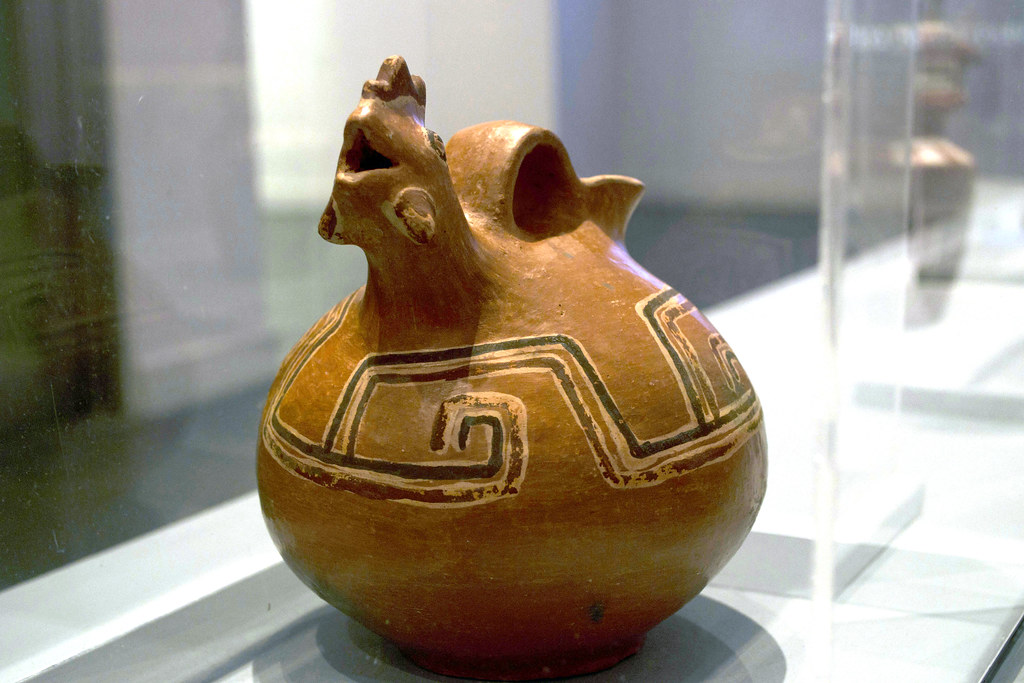
The Chané Guaraní communities call tobanti the white color of the vessels with decorations and decorative patterns that distinguish them. In this feminine task, references to barnyard animals and details that seem to allude to humans, such as breastplates and ornaments, are frequent (Bovisio, 2010). Currently these vessels are only made in the Tutiati Chané community of Campo Durán, Salta. The most prominent pottery town in Argentina is Casira. Located on the border with Bolivia, the town is located at an altitude of 3,637 meters in an area rich in clays called pirca and puca. The Kolla indigenous community of Casira has provided pots to the entire region since ancient times (Amarilla, 2020)
The four cases cited are the most notable legacies, but many towns are in the process of recognizing their intangible pottery heritage. As an example are the productions of the Qom, Wich`í, Ranquel, Huarpe, Diaguita Calchaquí and Mapuche peoples, as well as others whose techniques and procedures have the double character of being traditional knowledge as well as elements of identity. High-quality ceramics come from the Pampa de Achala area, in the Mediterranean center of the country. She was characterized as Creole or mestizo. The black ceramics of Traslasierra maintain techniques transmitted from generation to generation and the fine finishes of this ceramics are achieved with impeccable burnishing and smoking of the pieces through sustainable management (Gleyzer, 1965). Among the most representative families of Traslasiera black ceramics is that of the master craftsman Atilio López.
[1] It integrates the Survey of manifestations of intangible cultural heritage in Argentina published by the National Directorate of Cultural Assets and Sites of the Ministry of Culture of the Nation.
[2] Integrates the survey of the Directorate of Cultural Heritage of the Province of Chaco.
englishCeramics
In Argentina, ceramics has experienced significant development, making it the third branch of craftsmanship with the highest number of artists. Ceramics trace their origins to a rich pre-Hispanic tradition, evident in an abundant archaeological heritage. The living legacy of indigenous pottery, ceramics characterized as criollo or mestizo, and ceramics inspired by indigenous cultures—whether from the past or present—all coexist within the Argentine territory. It can be asserted that ceramics holds a prominent position as the third major craft, boasting a substantial number of practitioners and drawing inspiration from diverse cultural influences.
Among the indigenous ceramics currently recognized as intangible heritage is the petyngua, a pipe made of ñau or clay used for spiritual practices by the elders of the Mbyá Guarani communities in the province of Misiones. Another representative form of pottery is no' xoná, or clay work, from the Moqoit communities in the Province of Chaco. This results in beautiful burnished and smoked vessels that are unique, one-of-a-kind pieces.
The Chane Guarani communities call tobanti the white color of the vessels with decorations and decorative patterns that distinguish them. In this female task, references to farmyard animals and details that seem to allude to humans, such as breastplates and ornaments, are frequent (Bovisio, 2010). Currently, these vessels are only made in the Tutiati Chané community of Campo Duran, in the Province of Salta. The most prominent pottery settlement in Argentina is Casira. Located on the Bolivian border, the town lies at an altitude of 3637 meters in an area rich in clays that are called pirca and puca. The Kolla indigenous community of Casira has been supplying pots to the entire region since ancient times (Amarilla, 2020).
The four above-mentioned cases are the most outstanding legacies, but many communities are in the process of recognizing their intangible pottery heritage. Examples are the productions of the Qom, Wich`í, Ranquel, Huarpe, Diaguita Calchaqui, and Mapuche peoples, as well as others whose techniques and procedures have the dual character of being both traditional knowledge and elements of identity. A pottery of great quality is that of the Pampa de Achala area, in the landlocked center of the country. It has been characterized as Creole or mestizo. The black pottery of Traslasierra preserves techniques handed down from generation to generation and the fine finishes of this pottery are achieved by impeccable burning and smoking of the pieces through sustainable methods (Gleyzer, 1965). Among the most representative families of Traslasiera black pottery is that of the master craftsman Atilio Lopez.
Reviews
There are no reviews yet.