
Description
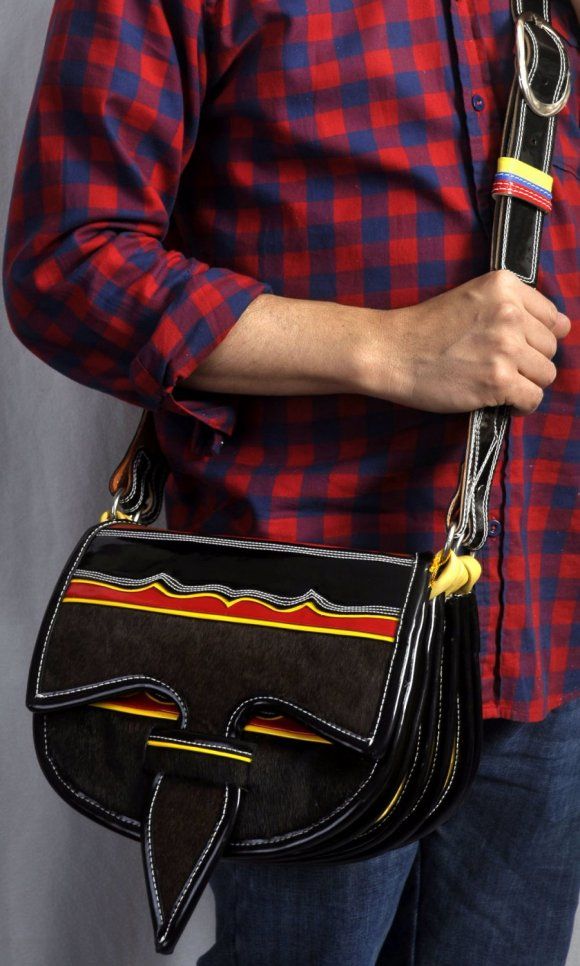
The carriel or leather bag, traditionally used by men as a practical accessory and distinctive of their cultural identity, is an emblematic piece of the department of Antioquia.
During the colonial era, the Spanish introduced tanning and leather working techniques and artisans began to manufacture high-quality leather pieces. The carriel originated as an evolution of the saddlebags used by horsemen or travelers to carry their belongings.
It is a rectangular bag with multiple compartments or pockets, in which the muleteers, or people whose job was to transport goods through the Antioquia territory, carried all kinds of objects for their long journeys, such as a Spanish deck of cards, dice, tobacco, matches and a tinderbox, a razor, and a shaving brush, lucky charms and letters from lovers.
The carrier can be made up of 116 pieces that include 12 pockets and three secret pockets for valuables. The front or cover is made of pile leather, originally otter or ocelot skins were used, currently calfskin and black patent leather are used. It has a strap about four centimeters wide, made of thin leather and covered in patent leather with eyelets and metal plates and drawings in colored threads, usually green, yellow and red.
The etymological origin of the word carriel has several interpretations, for some, it comes from the English carry all, for others it is derived from the French Cartier or hunter's bag.
It is recognized for its unique design that distinguishes it from other types of bags or wallets, it is used in festivities, cultural events and special occasions as part of traditional Antioquia clothing.
Currently, carts are manufactured in the municipalities of Jericó, Envigado, San Pedro and Amalfi, generating employment and income for 30 families in each municipality. Darío Agudelo Bermúdez, was born in Jericó and is the manufacturer with the oldest date and tradition. He taught the craft to his children and they are proud to practice the craft and continue their father's legacy.
Bibliography
Duque, Duque, C. Masters of Colombian – South American Popular Art. Publisher: Panamericana (2010).
Zuluaga, Duque, PA. What is it to be Antioquian? Publisher: Penguin Random House Grupo Editorial Colombia. (2020).
EnglishCarriel of Antioquia
The carriel or leather bag, traditionally used by men as a practical and distinctive accessory of their cultural identity, is an emblematic piece of the department of Antioquia. During the colonial period, the Spanish introduced tanning and leatherworking techniques and artisans began to manufacture high-quality leather pieces. The carriel originated as an evolution of the saddlebags used by horsesmen or travelers to carry their belongings.
It is a rectangular bag with multiple compartments or pockets, in which muleteers, or people whose trade was to transport goods through the territory of Antioquia, carried all kinds of objects for their long journeys, such as a Spanish deck of cards, dice, tobacco, matches and a tinderbox, a razor, a shaving brush, lucky charms and lovers' cards.
The carrier can be made up of 116 pieces including 12 pockets and three secret pockets for valuables. The front or lid is made of fur; Originally otter or ocelot skins were used, but nowadays calfskin and black patent leather are used. It has a strap about four centimeters wide, made of thin leather and covered in patent leather with eyelets and metal plates and drawings in colored threads, usually green, yellow and red. The etymological origin of the word carriel has several interpretations, for some, it comes from the English carry all, for others it derives from the French Cartier or hunter's bag.
It is recognized for its unique design that distinguishes it from other types of bags or purses. It is used in festivities, cultural events and special occasions as part of traditional Antioquian dress. Currently, carrieles are manufactured in the municipalities of Jericó, Envigado, San Pedro and Amalfi, generating employment and income for 30 families in each municipality. Darío Agudelo Bermúdez, born in Jericó, is the oldest and most traditional manufacturer. He taught the trade to his sons and they are proud to practice the craft and continue their father's legacy.
Reviews
There are no reviews yet.