
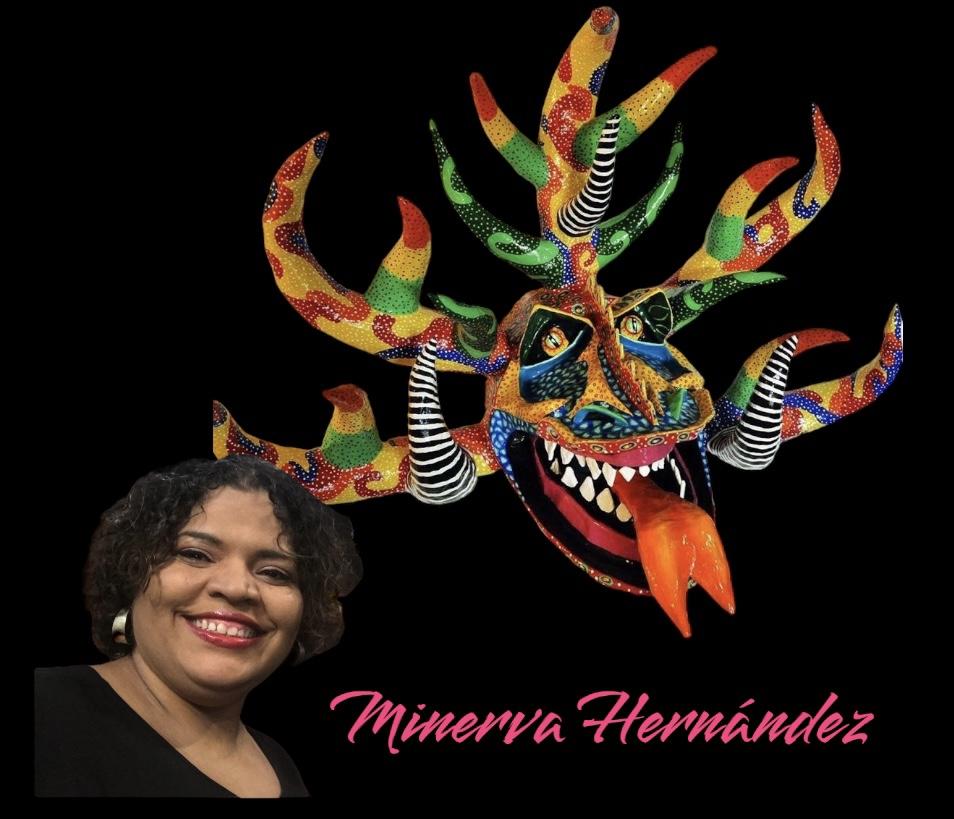
Description
The colorful pintail masks are an iconic part of Puerto Rican culture. These elaborate and striking masks have an ancestral origin that dates back to the time of Spanish colonization on the island. Although their exact history is uncertain, the bladderns are believed to have emerged from a mix of African and European influences.
During colonial times, African slaves brought to Puerto Rico kept their cultural traditions alive through dances and rituals. One of these rituals involved the use of masks made from inflated animal bladders, known as “vejigantes.” These masks were used during festive celebrations, such as carnival.
Over time, the bladderntes became an emblematic figure of the festivities in Puerto Rico. It is said that its original purpose was to scare away evil spirits and ward off negative energies. The bladderns masks, with their horns, vibrant colors and striking designs, became symbols of protection and good omens.
Today, the bladderntes are an icon of Puerto Rican folklore and can be seen in traditional parades and festivities, such as the Fiesta de Santiago Apóstol in Loiza and the Ponce Carnival. The wearers of the hidrantes masks perform dances and performances in the streets, transmitting festive energy and cultural tradition to new generations.
In Puerto Rico you can find two types of bubble masks, those from Ponce made of paper mache and those from Loiza that are made from coconut.
One of the most prominent artisans in this area is Mrs. Minerva Hernández who makes her masks creating her own designs in fig tree and paper mache with the particularity of putting many horns on her masks. Over the years his pieces have traveled from the homes of the Puerto Rican people to different parts of the world such as Germany, Ireland, Hawaii, China, Japan, Mexico and the United States by buyers ranging from collectors to Puerto Ricans in the diaspora. Today we can find their handmade pieces through the main fairs held by the Institute of Culture and Development of Puerto Rico where they not only participate by selling their masks, but also offer workshops to children and adults promoting their line.
englishVejigante Carnival Mask
The colorful "vejigante" masks are an iconic part of Puerto Rican culture. These elaborate and eye-catching masks have ancestral origins dating back to the time of Spanish colonization of the island. Although their exact history is uncertain, it is believed that the "vejigantes" emerged from a mixture of African and European influences.
One of these rituals involved the use of masks made of inflated animal bladders, known as "vejigantes". These masks were used during festive celebrations, such as carnival. Today they are made of cardboard and glue.
Over time, the "vejigantes" became an emblematic figure of the festivities in Puerto Rico. It is said that their original purpose was to scare away evil spirits and ward off negative energies. The masks, with their horns, vibrant colors and eye-catching designs, became symbols of protection and good omens. Today, bladderntes are an icon of Puerto Rican folklore and can be seen in parades and traditional festivities, such as the Fiesta de Santiago Apostle in Loiza and the Carnival of Ponce. Wearers of the bladdernte masks perform dances and performances in the streets, passing on the festive energy and cultural tradition to new generations.
Two types of velante masks can be found in Puerto Rico, those of Ponce made of papier mache and those of Loiza which are made of coconut. One of the most outstanding artisans is Mrs. Minerva Hernández who makes her masks by creating her own designs in fig tree and papier mache with the particularity of putting many horns on her masks. Over the years her pieces have traveled from the homes of the Puerto Rican people to different parts of the world such as Germany, Ireland, Hawaii, China, Japan, Mexico and the United States by buyers ranging from collectors to Puerto Ricans in the diaspora.
Today we can find his handmade pieces at the main fairs organized by the Institute of Culture and Promotion of Puerto Rico, where he not only participates in selling his masks, but also offers workshops for children and adults.
Reviews
There are no reviews yet.