Description
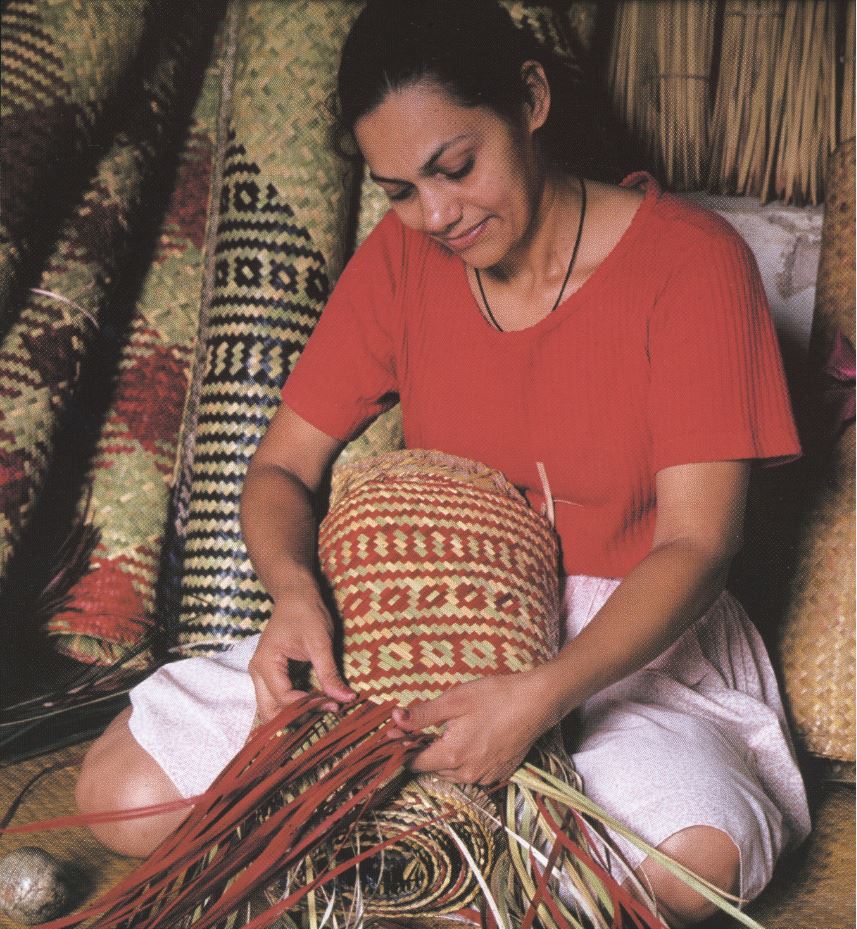
El Departamento de Santa Barbara en el noroccidente de Honduras es famosa por la calidad y variedad de productos elaborados con fibras vegetales y de uso cotidiano. Se destaca la producción de sombreros, carteras, canastas, petates, cunas, recipientes de cocina, manteles, hamacas, bolas de cáñamo. Las mujeres utilizan la palma real y el junco (considerado de mejor calidad) que cortan, secan y tiñen y es conocido localmente como guano, coyolillo o como tule (del náhuatl tullin, tillin or tollin) which is the generic name for several tall-stemmed plants.
The production technique begins with drying the palm bud in the sun until it whitens, then the stalks are deveined and the braiding process begins, which are woven together to give the shape of the hat. Other innovative techniques have also been introduced in weaving, such as rolling from an annular structure, which allowed them to innovate in designs. Color is part of the innovation and some of the fibers are dyed to create geometric designs using natural or indigo dyes. One of the most traditional products in the Mesoamerican area are the petates (from the Nahuatlpetatl) made with tule, which is still used in rural communities and particularly among the Lencas. The mat serves as a sleeping surface, as a rug and can also be a shroud. Women usually work as a family group and organize themselves in regional cooperatives. One of these organizations isLenca Petaterasof the community ofThe Nispero.
Another of the plant fibers used is rigging, hemp and henequen or maguey from which hammocks, cargo nets or matates, straps and saddlebags are made. The raw material handling technique is developed by men and women of the community.
english
Vegetable fiber handicraftsThe Department of Santa Barbara in the northwest of Honduras is famous for the quality and variety of products made from vegetable fibers. The production of hats, handbags, baskets, “petates”, cradles, kitchen containers, tablecloths, hammocks and hemp balls is outstanding. The women use the royal palm and the reed (considered of better quality) which they cut, dry and dye and which is known locally as “guano”, “coyolillo” or as “tule” (from the Nahuatl tullin, tillin or tollin) which is the generic name of several tall-stemmed plants.
The manufacturing technique begins with the drying of the palm heart in the sun until it whitens, then the stalks are deveined and the braiding process begins, which are woven together to form the shape of the hat. Other innovative weaving techniques have also been introduced, such as weaving from a ring structure, which has allowed them to innovate in designs. Color is part of the innovation and some of the fibers are dyed to create geometric designs using natural dyes or aniline dyes.
One of the most traditional products in the Mesoamerican area are the “petates” (from the Nahuatl petatl) made from “tule”, which is still used in rural communities and particularly among the Lenca people. The “petate” serves as a sleeping surface, as a rug and can also be a shroud. Women usually work as a family group and organize themselves into regional cooperatives. One such organization is the Lenca “Petateras” from the community of El Níspero.
Other vegetable fibers used are “jarcia”, hemp and “henequen” or maguey, which are used to make hammocks, nets or “matates” for carrying loads, belts and saddlebags. The technique of handling the raw material is developed by men and women of the Lenca community.
Reviews
There are no reviews yet.