
Description
Tunu es vocablo del idioma Mískito. Viven en selvas y costas Caribes de la Mosquitia, Honduras. El mismo material se conoce con diversos nombres. Utilizado por diferentes pueblos indígenas Centro-Sudamericanos que aún conservan selvas en sus espacios de vida.
n idioma Pesh, EU, in a region,tikimi’hin another. In Tawahka,tikam. The same bark has different names in different jungles. It is used to make various products with multiple functions.
We have studied Al Tuno de los Mískitos for several years and it is in full force.
Tunu is used to “write” or symbolize natural art. Its use belongs to pre-Hispanic traditions. Trees and seeds are found in archaeological sites in Honduras: “Ciudad Blanca”, jungles of Mosquitia.
In 1973, we recorded a song-lament to Mrs. Tomasa Martínez.Tukrun, Río Patuca, whose lyrics say:“Men of knowledge came to these poor places. And they have seen that when my children die I wrap them withtunu. This is how we buried them… they abandoned us, and we buried them only with pieces of Tunu.The song-lament contains deep meanings, the Tuno, Miskitos, Tawahkas and Pesh use it. It is natural fabric that native peoples of America have used.
Mrs. Tomasa used to hit and even today, she hits the bark with a grooved mallet hard on the banks of rivers. That bark softens until it forms a natural fabric, then dried in the sun, it is malleable.
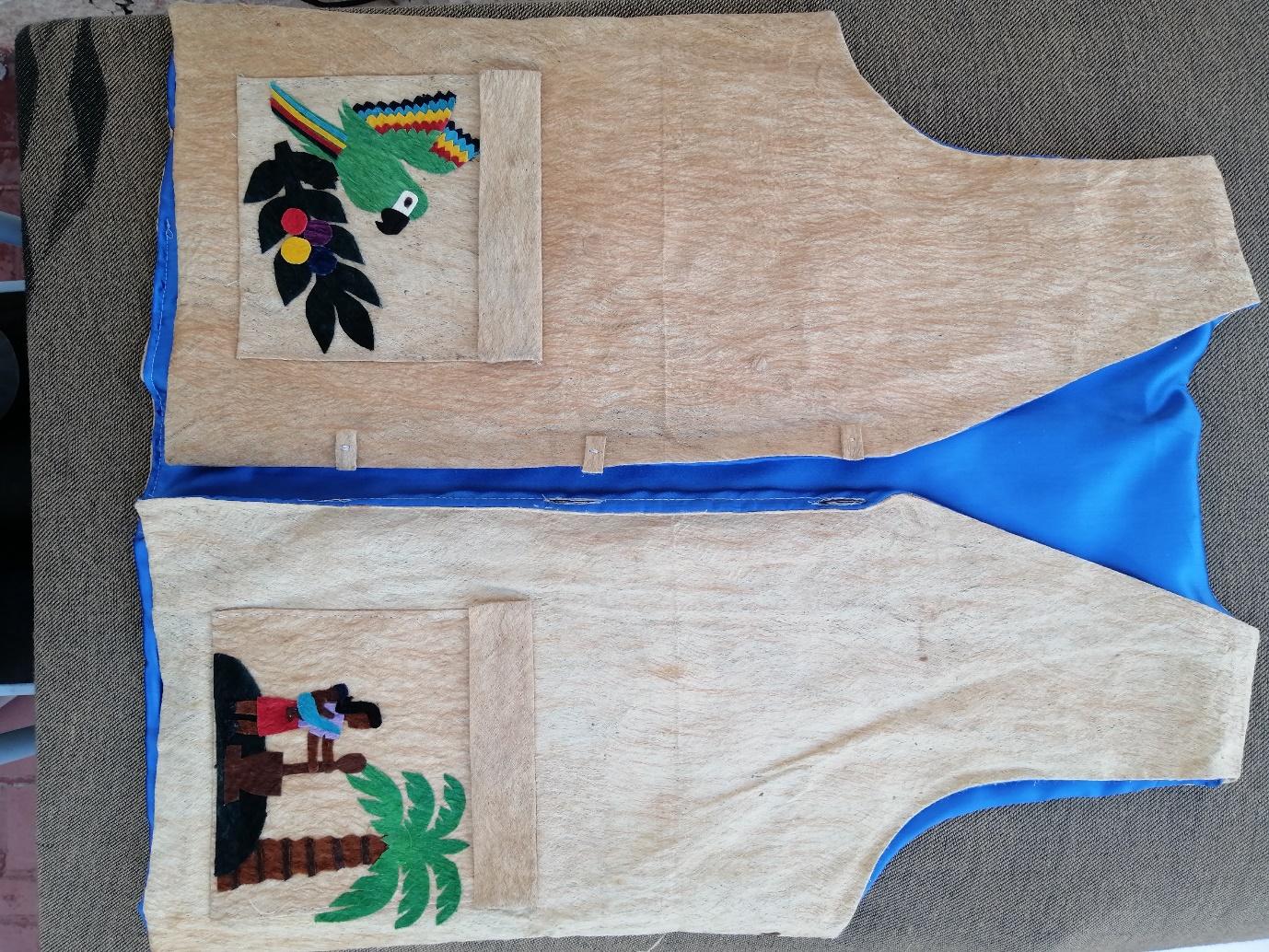
It serves as a hammock for children, tied at the ends with fibre.majagua. It is also a blanket, mattress, and is used in vests, shirts, bags, masks, ritual clothing, and also for various crafts in the jungles of Central and South America. They make painted pictures and a variety of crafts. Tuno, (Castilla-Falax), is used according to variants of the tree and has various names, according to original languages. These trees are found between Mexico and the Amazon rainforest.
Tuno, in Honduras, continues to work in jungles. We know that native peoples of the continent used similar barks as theamatl. In Honduras, they call,Love yourself. They make crafts, draw or place applications on the same fabric of different colors with plant sap. The Miskito now also use the bark of the fig tree (Ficus grabata), common in Honduras, to protect the Tuno as a species from possible extinction, working it for commercial purposes. The Kuna of Panama callSapi-mor, means, “tree cloth for drawing.”
english
Tunu.Tunu is a word from the Miskito language. They live in the jungles and Caribbean coasts of the Mosquitia, Honduras. The same material is known by different names. It is used by different Central-South American indigenous peoples who still conserve jungles in their living spaces. In Pesh language, ué, in one region, tikimi’h in another, in Tawahka, tikam. The same bark has different names in different forests, and is used to make a variety of products with multiple functions.
We have been studying the Tunu of the Miskitos for several years and it is still very much in use. The Tunu is used to “write” or symbolize natural art. Its use belongs to pre-Hispanic traditions. Trees and seeds are found in archaeological sites in Honduras: “Ciudad Blanca”, jungles of the Mosquitia.
In 1973, we recorded a song-lament to Mrs. Tomasa Martinez. Tukrun, Río Patuca, whose lyrics read: “Men of knowledge have come to these poor places. And they have seen that when my children die I wrap them in tunu. That’s how we bury them… they abandoned us, and we only bury them with pieces of tunu. The song-wail carries deep meanings, the Tunu is used by Miskitos, Tawahkas and Pesh. It is a natural cloth that has been used by the original peoples of America.
Mrs. Tomasa used to beat and still beats the bark with a hard grooved mallet on the banks of rivers. This bark softens until it forms a natural fabric, which is then dried in the sun and is malleable. It is used as a hammock for children, tied at the ends with majagua fiber. It is also a blanket, mattress, and is used in waistcoats, shirts, bags, masks, ritual clothing, and also for various handicrafts in the jungles of Central and South America.
They make painted pictures and a variety of handicrafts. Tuno, (Castilla fallax), is used according to variants of the tree and has different names, depending on the original language. These trees are found between Mexico and the Amazon rainforest. Tuno, in Honduras, is still used in the jungle. We know that native peoples of the continent used similar bark, such as amatl. In Honduras they call it Amate, they make handicrafts, they draw or place applications on the same fabric in different colors with plant sap.
The Miskitos now also use the bark of the fig tree (Ficus glabrata), common in Honduras, to protect the Tuno as a species from possible extinction, working it for commercial purposes. The Kunas of Panama call “Sapi-mor”, meaning “tree cloth for drawing”.
Reviews
There are no reviews yet.