
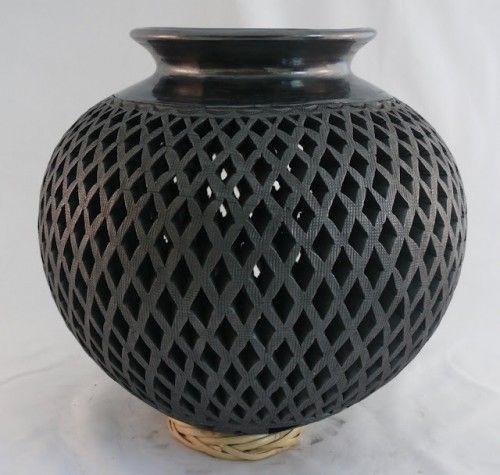
Description
Clay objects have accompanied Mexicans throughout history. From the beginning of agricultural villages until today, potters made everyday objects, as well as others used in rituals for planting, in honor of the dead or for the celebration of patron saints. Many objects are destined for the market.
Potters use the clay they find near their communities, select it, wash it to remove stones or garbage, let it dry, grind it and add substances to give it plasticity. Later they shape it, with their hands, as tradition indicates, with molds or with the wheel introduced by the Spanish in the 16th century. In the end, they decorate their pieces, whether they polish, varnish, paint or give them a glazed finish.
In Mexico there are at least 75 important pottery centers, some founded since pre-Hispanic times and in each site they use their own procedures and styles. The towns of Acatlán and Izúcar Matamoros, in Puebla, stand out; San Bartolo Coyotepec, in Oaxaca; Capula, in Michoacán and Tonalá in Jalisco.
Among the enormous variety of pieces, the ceramics of Mata Ortiz stand out with iconography of the indigenous groups of the north; the pieces from Metepec, State of Mexico where they make “trees of life”; Puebla pottery with jugs, tableware, comales and pots for everyday use; the black clay of Oaxaca: the green glaze that is produced in Michoacán, or the so-called petatillo in Jalisco.
High-quality pottery pieces can be seen at the Museum of Popular Art and the Banamex Cultural Center, both in Mexico City. There are pieces by great master potters, among them Tiburcio Soteno Fernández with the “trees of life” or Juan Quezada with the ceramics of Mata Ortiz.
englishPottery
Clay objects have accompanied Mexicans throughout history. From the beginning of farming villages to the present day, potters made everyday objects, as well as objects used in rituals for planting, honoring the dead or celebrating patron saints. Many objects are destined for the market.
The potters use the clay they find near their communities, select it, wash it to remove stones or rubbish, leave it to dry, grind it and add substances to give it plasticity. They then molded it by hand, as tradition dictates, with molds or with the potter's wheel introduced by the Spaniards in the 16th century. Finally, they decorate their pieces, whether they are polished, varnished, painted or given a glazed finish.
There are at least 75 important pottery centers in Mexico, some founded in pre-Hispanic times, and each site uses its own procedures and styles. The towns of Acatlán and Izúcar Matamoros in Puebla, San Bartolo Coyotepec in Oaxaca, Capula in Michoacán and Tonalá in Jalisco stand out.
Among the enormous variety of pieces, the pottery of Mata Ortiz stands out with iconography of the indigenous groups of the north; the pieces from Metepec, State of Mexico, where they make "trees of life"; the pottery from Puebla with small jugs, dishes, "comales" and pots for everyday use; the black clay from Oaxaca; the green glaze produced in Michoacán, or the so-called petatillo in Jalisco.
High-quality pottery can be seen at the Museo de Arte Popular MAP and the Centro Cultural Banamex, both in Mexico City. There are pieces by great master potters, among them Tiburcio Soteno Fernández with the "trees of life" or Juan Quezada with the pottery of Mata Ortiz, in the state of Chihuahua.
Reviews
There are no reviews yet.