
Description
The peasant population of Lenca tradition covers the western, southern and central areas of Honduras, a region that is part of the Mesoamerican Area and as such is a corn culture. The population concentration facilitated the installation of the main Spanish colonial centers in this region, which produced rapid miscegenation, Ladinization and loss of the language. The acculturation process that occurred led to a syncretic culture, which is manifested in religion in which myths and traits associated with the rituals of composure linked to planting, harvesting, birth, sales, housing stand out. The worldview of the Lencas has clear Mesoamerican roots and among these stands out the dual structure of the universe, nahualism (an animal that accompanies people throughout their lives) and the ritual sacrifice of animals for planting time.
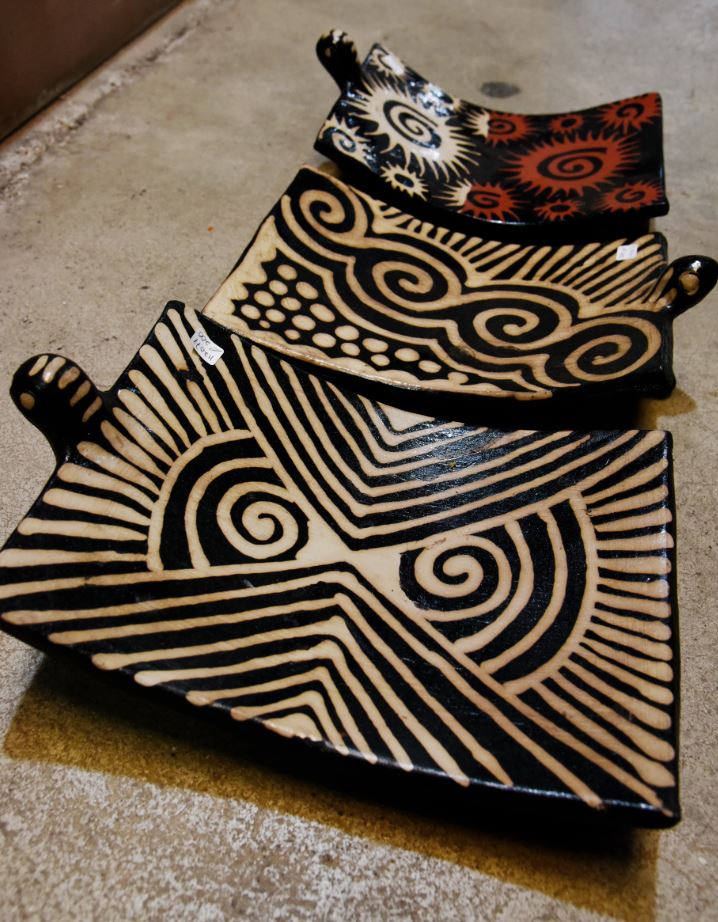
Lenca women work the clay with which they produce utilitarian domestic pottery and for commercial production, reproductions of pre-Hispanic ceremonial pieces and contemporary designs. In the middle of the 20th century, new designs were introduced, but it is from the 90's that new, more innovative lines were developed in terms of geometric design, but always maintaining the colors of the clay (white and terracotta), its traditional production techniques: hand molding, negative techniques, burning in a clay oven, open burning in tetuntes or tenamaste. Likewise, more designs inspired by their natural environment (flora and fauna) have been incorporated, which retain particularities of the original designs, merging with the most modern designs. Lenca artisans are organized in cooperatives and are located in the central, southern and western areas of Honduras. The last census carried out in nine municipalities of Honduras by the Honduran Institute of Anthropology and History identified the greatest artisanal activity in the departments of Lempira, Intibucá, Choluteca, Valle and Francisco Morazán.
englishLenca pottery
The peasant population of Lenca tradition covers the western, southern and central areas of Honduras, a region that forms part of the Mesoamerican Area and as such is a maize culture. The concentration of the population facilitated the installation of the main Spanish colonial centers in this region, which led to a rapid miscegenation and loss of the language.
The process of acculturation that took place resulted in a syncretic culture, which is manifested in the religion in which myths and traits associated with rituals linked to sowing, harvesting, birth, sales and housing stood out. The Lenca worldview has clear Mesoamerican roots and among these, the dual structure of the universe, nahualism (an animal that accompanies people throughout their lives) and the ritual sacrifice of animals for sowing time stand out.
Lenca women work with clay to produce domestic and commercial pottery, reproductions of pre-Hispanic ceremonial pieces and contemporary designs. In the mid-20th century, new designs were introduced, and it was in the 1990s that new, more innovative lines were developed in terms of geometric design, but always maintaining the colors of the clay (white and terracotta) and their traditional production techniques: hand molding, negative techniques, burning in a clay kiln, and open burning in "tetuntes" or "tenamaste".
More designs inspired by their natural environment (flora and fauna) have been incorporated, which retain the particularities of the original designs, blending in with the more modern designs. Lenca craftswomen are organized in cooperatives and are located in central, southern and western Honduras.
The last census carried out in nine municipalities in Honduras by the Honduran Institute of Anthropology and History identified the greatest handicraft activity in the departments of Lempira, Intibucá, Choluteca, Valle and Francisco Morazán.
Reviews
There are no reviews yet.