
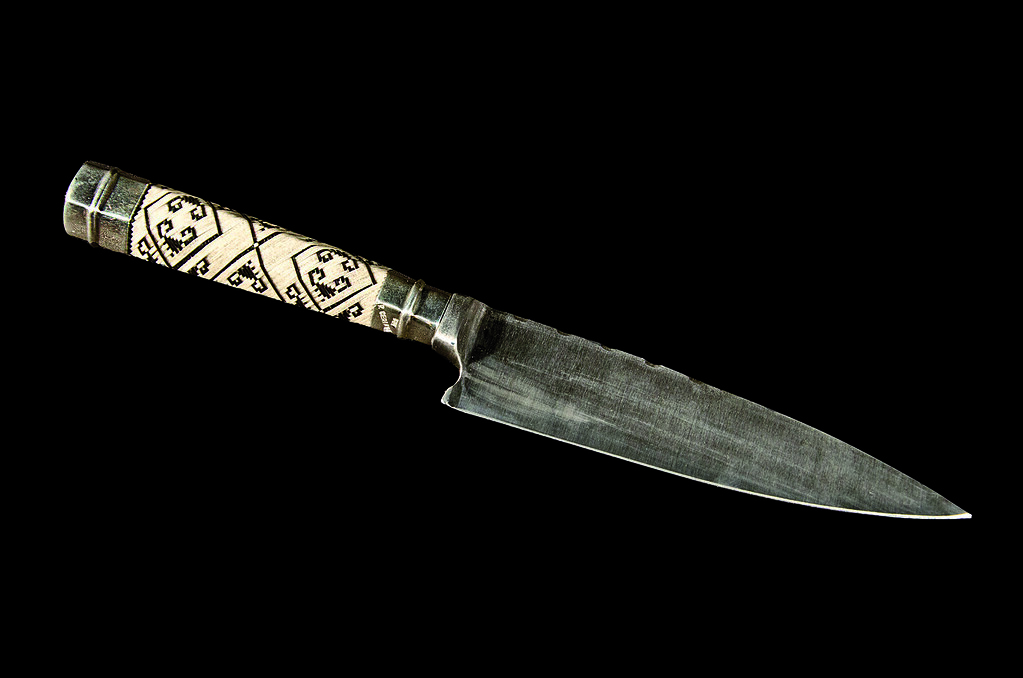
Knives

En Argentina el cuchillo es un utensilio, un símbolo y un objeto de culto. Su presencia en la literatura nacional lo vincula al modo de vida rural. El cuchillo argentino trascendió estos ámbitos y se popularizó como elemento de identidad. El cuchillo forma parte de la cultura gastronómica del asado, pero en los últimos años […]

Descripción

En Argentina el cuchillo es un utensilio, un símbolo y un objeto de culto. Su presencia en la literatura nacional lo vincula al modo de vida rural. El cuchillo argentino trascendió estos ámbitos y se popularizó como elemento de identidad. El cuchillo forma parte de la cultura gastronómica del asado, pero en los últimos años su alcance se amplió a todos los usos que demanda la tendencia denominada slow food, which highlighted regional cuisine and has the knife as its main tool.

The Argentine knife presents a variety of high-quality craftsmanship in its workmanship.

The artisans are specialists in the manufacture of blades, ends, sheaths or cases. The blades can be made by roughing or forging, with excellent results in both. Forging has developed in the country in recent years due to the presence and consolidation of schools and workshops of the trade, where numerous young people have been trained, which influences the type of production oriented towards collecting, gastronomy and lifestyle. Damascus steel has more and more followers in Argentina.

However, it is in the Cape that Argentine cutlery exhibits its appeal in a diversity of materials, techniques and motifs. The handle of the Argentine knife is the main support of the fine fabric with rawhide edges. A cape wrapped in 40 or 90 tientos with different motifs is one of the most popular artisanal expressions in the country. Argentine silversmithing is not left to the saga, thanks to which, with traditional goldsmithing techniques, the capes are transformed into unique luxury pieces and confer prestige to their wearers. A more organic trend is that of wooden capes that present as much variety as there are climates and forests in Argentina. This last variety of ropes is also associated with the production of special cases for collector knives, made with native woods and fine finishes.

All blades require sheaths for protection, and in general these and the butt of the knife are part of the same design project.ReferencesLópez Osornio, Mario.Creole Fencing. Knife, rebenque, poncho and chuza. Buenos Aires, Nuevo Siglo Editions, 1995

english

KnivesIn Argentina, the knife is a utensil, a symbol, and an object of worship. Its presence in national literature links it to the rural way of life. The Argentinian knife transcended these spheres and became popular as an element of identity. While it is an integral part of the gastronomic culture of barbecue, in recent years, its scope has expanded to meet the demands of the so-called slow food trend, which values ​​regional cuisine and designates the knife as its primary tool.

The Argentine knife showcases a variety of high-quality craftsmanship.

Artisans are specialists in the manufacture of blades, ends, sheaths, or cases. Blades can be made by roughing or forging, with excellent results. Forging has developed in the country in recent years due to the presence and consolidation of schools and workshops of the trade, where many young people have been trained. This influences the type of production destined for collectors, gastronomy, and lifestyle. Damascus steel is becoming increasingly popular in Argentina.

However, it is in the handle that Argentinian cutlery reveals its allure through a diverse array of materials, techniques, and motifs. The handles of Argentinian knives serve as the primary canvas for the intricate weaving of rawhide cords. A handle adorned with 40 or 90 different motifs represents one of the most popular handicraft expressions in the country. Following closely is Argentinian silversmithing, where traditional goldsmithing techniques are applied to transform handles into unique luxury pieces that bestow prestige upon their users. Another trend involves the use of wooden handles, reflecting the diversity of climates and forests in Argentina. This particular handle variety is also linked to the crafting of special cases for collector’s knives, made with native woods and exquisite finishes.

All blades require protection in sheaths, which, alongside the knife handle, often form an integral part of the same design project.ReferencesLopez Osornio, Mario.Creole Fencing. Knife, rebenque, poncho and chuza. Buenos Aires, Nuevo Siglo Editions, 1995

Valoraciones

No hay valoraciones aún.

Sé el primero en valorar “Knives”

Tu dirección de correo electrónico no será publicada. Los campos obligatorios están marcados con *

Descripción

In Argentina the knife is a utensil, a symbol and an object of worship. Its presence in national literature links it to the rural way of life. The Argentine knife transcended these areas and became popular as an element of identity. The knife is part of the gastronomic culture of barbecue, but in recent years its scope has expanded to all the uses demanded by the trend called slow food, which valued regional cuisine and which has the knife as its main tool.

The Argentine knife presents a variety of high-quality craftsmanship in its workmanship.

The artisans are specialists in the manufacture of blades, ends, sheaths or cases. The blades can be made by roughing or forging, with excellent results in both. Forging has developed in the country in recent years due to the presence and consolidation of schools and workshops of the trade, where numerous young people have been trained, which influences the type of production oriented towards collecting, gastronomy and lifestyle. Damascus steel has more and more followers in Argentina.

However, it is in the Cape that Argentine cutlery exhibits its appeal in a diversity of materials, techniques and motifs. The handle of the Argentine knife is the main support of the fine fabric with rawhide edges. A cape wrapped in 40 or 90 tientos with different motifs is one of the most popular artisanal expressions in the country. Argentine silversmithing is not left to the saga, thanks to which, with traditional goldsmithing techniques, the capes are transformed into unique luxury pieces and confer prestige to their wearers. A more organic trend is that of wooden capes that present as much variety as there are climates and forests in Argentina. This last variety of ropes is also associated with the production of special cases for collector knives, made with native woods and fine finishes.

All blades require sheaths for protection, and in general these and the butt of the knife are part of the same design project.

References

López Osornio, Mario. Creole Fencing. Knife, reinquee, poncho and chuza. Buenos Aires, Nuevo Siglo Editions, 1995

englishKnives

In Argentina, the knife is a utensil, a symbol, and an object of worship. Its presence in national literature links it to the rural way of life. The Argentinian knife transcended these spheres and became popular as an element of identity. While it is an integral part of the gastronomic culture of barbecue, in recent years, its scope has expanded to meet the demands of the so-called slow food trend, which values ​​regional cuisine and designates the knife as its primary tool.

The Argentine knife showcases a variety of high-quality craftsmanship.

Artisans are specialists in the manufacture of blades, ends, sheaths, or cases. Blades can be made by roughing or forging, with excellent results. Forging has developed in the country in recent years due to the presence and consolidation of schools and workshops of the trade, where many young people have been trained. This influences the type of production destined for collectors, gastronomy, and lifestyle. Damascus steel is becoming increasingly popular in Argentina.

However, it is in the handle that Argentinian cutlery reveals its allure through a diverse array of materials, techniques, and motifs. The handles of Argentinian knives serve as the primary canvas for the intricate weaving of rawhide cords. A handle adorned with 40 or 90 different motifs represents one of the most popular handicraft expressions in the country. Following closely is Argentinian silversmithing, where traditional goldsmithing techniques are applied to transform handles into unique luxury pieces that bestow prestige upon their users. Another trend involves the use of wooden handles, reflecting the diversity of climates and forests in Argentina. This particular handle variety is also linked to the crafting of special cases for collector's knives, made with native woods and exquisite finishes.

All blades require protection in sheaths, which, alongside the knife handle, often form an integral part of the same design project.

References

Lopez Osornio, Mario. Creole Fencing. Knife, reinquee, poncho and chuza. Buenos Aires, Nuevo Siglo Editions, 1995

Valoraciones

No hay valoraciones aún.

Sé el primero en valorar “Knives”

Tu dirección de correo electrónico no será publicada. Los campos obligatorios están marcados con *

Descripción

En Argentina el cuchillo es un utensilio, un símbolo y un objeto de culto. Su presencia en la literatura nacional lo vincula al modo de vida rural. El cuchillo argentino trascendió estos ámbitos y se popularizó como elemento de identidad. El cuchillo forma parte de la cultura gastronómica del asado, pero en los últimos años su alcance se amplió a todos los usos que demanda la tendencia denominada slow food, que puso en valor la cocina regional y que cuenta con el cuchillo como su herramienta principal.

El cuchillo argentino presenta una variedad de trabajos artesanales de gran calidad en su factura.

Los artesanos son especialistas en la fabricación de hojas, cabos, vainas o estuches. Las hojas pueden hacerse por desbaste o por forja, con excelentes resultados ambas. La forja se ha desarrollado en el país en los últimos años a partir de la presencia y consolidación de escuelas y talleres del oficio, donde se han formado numerosos jóvenes, lo que influye en el tipo de producción orientada al coleccionismo, la gastronomía y el estilo de vida. El acero de Damasco tiene cada vez más cultores en Argentina.

Sin embargo, es en el cabo que la cuchillería argentina exhibe su atractivo en diversidad de materiales, técnicas y motivos. La empuñadura del cuchillo argentino es el soporte principal del tejido fino con tientos de cuero crudo. Un cabo envuelto en 40 o 90 tientos con diferentes motivos es una de las expresiones artesanales más populares en el país. No queda a la saga la platería argentina, gracias a la cual, con técnicas tradicionales de orfebrería, los cabos se transforman en piezas de lujo singulares y confieren prestigio a sus portadores. Una tendencia más orgánica es la de los cabos de madera que presentan tanta variedad como climas y bosques hay en Argentina. Esta última variedad de cabos también se asocia a la elaboración de estuches especiales para los cuchillos de colección, hechos con maderas nativas y finas terminaciones.

Todas las hojas precisan de vainas para su resguardo, y en general estas y el cabo del cuchillo forman parte de un mismo proyecto de diseño.

Referencias

López Osornio, Mario. Esgrima Criolla. Cuchillo, rebenque, poncho y chuza. Buenos Aires, Ediciones Nuevo Siglo, 1995

english

Knives

In Argentina, the knife is a utensil, a symbol, and an object of worship. Its presence in national literature links it to the rural way of life. The Argentinian knife transcended these spheres and became popular as an element of identity. While it is an integral part of the gastronomic culture of barbecue, in recent years, its scope has expanded to meet the demands of the so-called slow food trend, which values regional cuisine and designates the knife as its primary tool.

The Argentine knife showcases a variety of high-quality craftsmanship.

Artisans are specialists in the manufacture of blades, ends, sheaths, or cases. Blades can be made by roughing or forging, with excellent results. Forging has developed in the country in recent years due to the presence and consolidation of schools and workshops of the trade, where many young people have been trained. This influences the type of production destined for collectors, gastronomy, and lifestyle. Damascus steel is becoming increasingly popular in Argentina.

However, it is in the handle that Argentinian cutlery reveals its allure through a diverse array of materials, techniques, and motifs. The handles of Argentinian knives serve as the primary canvas for the intricate weaving of rawhide cords. A handle adorned with 40 or 90 different motifs represents one of the most popular handicraft expressions in the country. Following closely is Argentinian silversmithing, where traditional goldsmithing techniques are applied to transform handles into unique luxury pieces that bestow prestige upon their users. Another trend involves the use of wooden handles, reflecting the diversity of climates and forests in Argentina. This particular handle variety is also linked to the crafting of special cases for collector’s knives, made with native woods and exquisite finishes.

All blades require protection in sheaths, which, alongside the knife handle, often form an integral part of the same design project.

References

Lopez Osornio, Mario. Esgrima Criolla. Cuchillo, rebenque, poncho y chuza. Buenos Aires, Ediciones Nuevo Siglo, 1995

Valoraciones

No hay valoraciones aún.

Sé el primero en valorar “Cuchillos”

Tu dirección de correo electrónico no será publicada. Los campos obligatorios están marcados con *