
Jargon

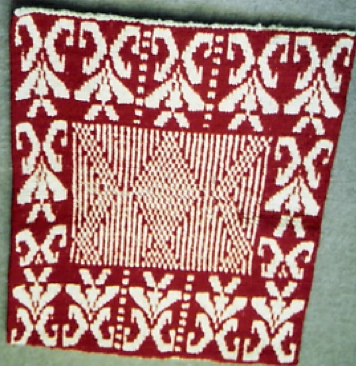
Los guaraníes conocían el tejido en telar vertical, utilizaban distintas fibras vegetales, entre ellas el algodón. Con esta tecnología realizaban diversos tejidos y diseños con la técnica del tejido-nudo con dos madejas, una blanca y otra de color; los diseños eran en función al estatus, al sexo y a la edad. El teñido lo realizaban […]

Descripción

Los guaraníes conocían el tejido en telar vertical, utilizaban distintas fibras vegetales, entre ellas el algodón. Con esta tecnología realizaban diversos tejidos y diseños con la técnica del tejido-nudo con dos madejas, una blanca y otra de color; los diseños eran en función al estatus, al sexo y a la edad. El teñido lo realizaban con tintes naturales, hoy la población utiliza anilinas.

Los españoles introdujeron los caballos, para lo cual se necesitó de mantas pequeñas que forman parte de la montura, una de ellas se llama jerga. Para este fin era necesario utilizar la lana de oveja, especie animal introducida por ellos, así nace en América un nuevo producto y una nueva materia prima para los tejidos, correspondiendo a las nativas, fabricar la jerga utilizando la técnica y la tecnología conocidas por ellas.

Los diseños son generalmente geométricos y tienen nombres en guaraní y castellano como: chakúa se realiza en el centro utilizando rombos, cuadrados, líneas o pequeñas cruces; guarda rosa, guarda pindo, guarda estrella, guarda clavel o guarda S.

Antiguamente se fabricaban en casi todos los pueblos pero ahora los municipios que la realizan son Carapeguá, San Miguel y Chaco pero en muy pequeña cantidad por el tiempo que lleva su fabricación y el bajo costo que se paga. El proceso de obtención de la lana es muy largo, se debe lavar varias veces, secarla al sol, batirla, unirla, teñirla y luego hacer los ovillos con huso.   Con esta misma técnica y diseños se producen tapices de un metro y medio de largo y 90 cm. de ancho que son muy apreciados utilizados como decoración en las viviendas.

To safeguard the technique, the use of cotton was implemented, the raw material of which is obtained commercially and tapestries, placemats, bags and pillows are made.

English

Jargon (horse blankets)The Guarani knew how to weave on a vertical loom, using different vegetable fibers, including cotton. With this technology they made various weavings and designs using the knot-weaving technique with two skeins, one white and the other coloured; the designs were based on status, sex and age. The dyeing was done with natural dyes; today the population uses aniline dyes.

The Spaniards introduced horses, for which small blankets were needed to form part of the saddle, one of which is called jarga. For this purpose, it was necessary to use sheep’s wool, an animal species introduced by them, and so a new product and a new raw material for weaving was born in America, and it was up to the natives to make jargon using the technique and technology known to them.

The designs are generally geometric and have names in Guaraní and Spanish such as: «chakúa» is made in the center using rhombuses, squares, lines or small crosses; «guarda rosa», «guarda pindo», «guarda star», «guarda carnation» or «guarda S».

Formerly they were made in almost all the towns, but nowadays the municipalities that make them are Carapeguá, San Miguel and Chaco, but in very small quantities due to the time it takes to make them and the low cost they are paid. The process of obtaining the wool is very long, it has to be washed several times, dried in the sun, beaten, joined, dyed and then made into balls with a spindle.   With this same technique and designs, tapestries one and a half meters long and 90 cm wide are produced, which are highly appreciated and used as decoration in homes.

In order to safeguard the technique, the use of cotton was implemented, the raw material of which is obtained in the trade and tapestries, placemats, bags and cushions are made.

Valoraciones

No hay valoraciones aún.

Sé el primero en valorar “Jargon”

Tu dirección de correo electrónico no será publicada. Los campos obligatorios están marcados con *

Descripción

Los guaraníes conocían el tejido en telar vertical, utilizaban distintas fibras vegetales, entre ellas el algodón. Con esta tecnología realizaban diversos tejidos y diseños con la técnica del tejido-nudo con dos madejas, una blanca y otra de color; los diseños eran en función al estatus, al sexo y a la edad. El teñido lo realizaban con tintes naturales, hoy la población utiliza anilinas.

Los españoles introdujeron los caballos, para lo cual se necesitó de mantas pequeñas que forman parte de la montura, una de ellas se llama jerga. Para este fin era necesario utilizar la lana de oveja, especie animal introducida por ellos, así nace en América un nuevo producto y una nueva materia prima para los tejidos, correspondiendo a las nativas, fabricar la jerga utilizando la técnica y la tecnología conocidas por ellas.

Los diseños son generalmente geométricos y tienen nombres en guaraní y castellano como: chakúa se realiza en el centro utilizando rombos, cuadrados, líneas o pequeñas cruces; guarda rosa, guarda pindo, guarda estrella, guarda clavel o guarda S.

Antiguamente se fabricaban en casi todos los pueblos pero ahora los municipios que la realizan son Carapeguá, San Miguel y Chaco pero en muy pequeña cantidad por el tiempo que lleva su fabricación y el bajo costo que se paga. El proceso de obtención de la lana es muy largo, se debe lavar varias veces, secarla al sol, batirla, unirla, teñirla y luego hacer los ovillos con huso.   Con esta misma técnica y diseños se producen tapices de un metro y medio de largo y 90 cm. de ancho que son muy apreciados utilizados como decoración en las viviendas.

To safeguard the technique, the use of cotton was implemented, the raw material of which is obtained commercially and tapestries, placemats, bags and pillows are made.

English

Jargon (horse blankets)The Guarani knew how to weave on a vertical loom, using different vegetable fibers, including cotton. With this technology they made various weavings and designs using the knot-weaving technique with two skeins, one white and the other coloured; the designs were based on status, sex and age. The dyeing was done with natural dyes; today the population uses aniline dyes.

The Spaniards introduced horses, for which small blankets were needed to form part of the saddle, one of which is called jarga. For this purpose, it was necessary to use sheep’s wool, an animal species introduced by them, and so a new product and a new raw material for weaving was born in America, and it was up to the natives to make jargon using the technique and technology known to them.

The designs are generally geometric and have names in Guaraní and Spanish such as: «chakúa» is made in the center using rhombuses, squares, lines or small crosses; «guarda rosa», «guarda pindo», «guarda star», «guarda carnation» or «guarda S».

Formerly they were made in almost all the towns, but nowadays the municipalities that make them are Carapeguá, San Miguel and Chaco, but in very small quantities due to the time it takes to make them and the low cost they are paid. The process of obtaining the wool is very long, it has to be washed several times, dried in the sun, beaten, joined, dyed and then made into balls with a spindle.   With this same technique and designs, tapestries one and a half meters long and 90 cm wide are produced, which are highly appreciated and used as decoration in homes.

In order to safeguard the technique, the use of cotton was implemented, the raw material of which is obtained in the trade and tapestries, placemats, bags and cushions are made.

Valoraciones

No hay valoraciones aún.

Sé el primero en valorar “Jargon”

Tu dirección de correo electrónico no será publicada. Los campos obligatorios están marcados con *

Descripción

The Guaraní knew vertical loom weaving, they used different plant fibers, including cotton. With this technology they made various fabrics and designs with the knot-weaving technique with two skeins, one white and the other colored; The designs were based on status, sex and age. The dyeing was done with natural dyes, today the population uses anilines.

The Spanish introduced horses, for which they needed small blankets that are part of the saddle, one of them is called jarga. For this purpose it was necessary to use sheep wool, an animal species introduced by them, thus a new product and a new raw material for fabrics were born in America, corresponding to the natives, manufacturing the jargon using the technique and technology known to them.

The designs are generally geometric and have names in Guaraní and Spanish such as: chakúa is made in the center using rhombuses, squares, lines or small crosses; rose guard, pindo guard, star guard, carnation guard or S guard.

In the past they were manufactured in almost all the towns but now the municipalities that make them are Carapeguá, San Miguel and Chaco but in very small quantities due to the time it takes to manufacture them and the low cost paid. The process of obtaining wool is very long, it must be washed several times, dried in the sun, beaten, joined, dyed and then made into balls with a spindle.   With this same technique and designs, tapestries are produced one and a half meters long and 90 cm. wide that are highly appreciated used as decoration in homes.
To safeguard the technique, the use of cotton was implemented, the raw material of which is obtained commercially and tapestries, placemats, bags and pillows are made.

EnglishJerga (horse blankets)

The Guarani knew how to weave on a vertical loom, using different vegetable fibers, including cotton. With this technology they made various weavings and designs using the knot-weaving technique with two skeins, one white and the other coloured; the designs were based on status, sex and age. The dyeing was done with natural dyes; today the population uses aniline dyes.

The Spaniards introduced horses, for which small blankets were needed to form part of the saddle, one of which is called jarga. For this purpose, it was necessary to use sheep's wool, an animal species introduced by them, and so a new product and a new raw material for weaving was born in America, and it was up to the natives to make jargon using the technique and technology known to them.

The designs are generally geometric and have names in Guaraní and Spanish such as: "chakúa" is made in the center using rhombuses, squares, lines or small crosses; "guarda rosa", "guarda pindo", "guarda star", "guarda carnation" or "guarda S".

Formerly they were made in almost all the towns, but nowadays the municipalities that make them are Carapeguá, San Miguel and Chaco, but in very small quantities due to the time it takes to make them and the low cost they are paid. The process of obtaining the wool is very long, it has to be washed several times, dried in the sun, beaten, joined, dyed and then made into balls with a spindle.   With this same technique and designs, tapestries one and a half meters long and 90 cm wide are produced, which are highly appreciated and used as decoration in homes.

In order to safeguard the technique, the use of cotton was implemented, the raw material of which is obtained in the trade and tapestries, placemats, bags and cushions are made.

Valoraciones

No hay valoraciones aún.

Sé el primero en valorar “Jargon”

Tu dirección de correo electrónico no será publicada. Los campos obligatorios están marcados con *

Descripción

Los guaraníes conocían el tejido en telar vertical, utilizaban distintas fibras vegetales, entre ellas el algodón. Con esta tecnología realizaban diversos tejidos y diseños con la técnica del tejido-nudo con dos madejas, una blanca y otra de color; los diseños eran en función al estatus, al sexo y a la edad. El teñido lo realizaban con tintes naturales, hoy la población utiliza anilinas.

Los españoles introdujeron los caballos, para lo cual se necesitó de mantas pequeñas que forman parte de la montura, una de ellas se llama jerga. Para este fin era necesario utilizar la lana de oveja, especie animal introducida por ellos, así nace en América un nuevo producto y una nueva materia prima para los tejidos, correspondiendo a las nativas, fabricar la jerga utilizando la técnica y la tecnología conocidas por ellas.

Los diseños son generalmente geométricos y tienen nombres en guaraní y castellano como: chakúa se realiza en el centro utilizando rombos, cuadrados, líneas o pequeñas cruces; guarda rosa, guarda pindo, guarda estrella, guarda clavel o guarda S.

Antiguamente se fabricaban en casi todos los pueblos pero ahora los municipios que la realizan son Carapeguá, San Miguel y Chaco pero en muy pequeña cantidad por el tiempo que lleva su fabricación y el bajo costo que se paga. El proceso de obtención de la lana es muy largo, se debe lavar varias veces, secarla al sol, batirla, unirla, teñirla y luego hacer los ovillos con huso.   Con esta misma técnica y diseños se producen tapices de un metro y medio de largo y 90 cm. de ancho que son muy apreciados utilizados como decoración en las viviendas.

Para salvaguardar la técnica se implementó el uso del algodón, cuya materia prima se obtiene en el comercio y se elaboran tapices, individuales, bolsos y almohadones.

English

Jerga (horse blankets)

The Guarani knew how to weave on a vertical loom, using different vegetable fibres, including cotton. With this technology they made various weavings and designs using the knot-weaving technique with two skeins, one white and the other coloured; the designs were based on status, sex and age. The dyeing was done with natural dyes; today the population uses aniline dyes.

The Spaniards introduced horses, for which small blankets were needed to form part of the saddle, one of which is called jerga. For this purpose, it was necessary to use sheep’s wool, an animal species introduced by them, and so a new product and a new raw material for weaving was born in America, and it was up to the natives to make jerga using the technique and technology known to them.

The designs are generally geometric and have names in Guaraní and Spanish such as: «chakúa» is made in the centre using rhombuses, squares, lines or small crosses; «guarda rosa», «guarda pindo», «guarda estrella», «guarda clavel» or «guarda S».

Formerly they were made in almost all the towns, but nowadays the municipalities that make them are Carapeguá, San Miguel and Chaco, but in very small quantities due to the time it takes to make them and the low cost they are paid. The process of obtaining the wool is very long, it has to be washed several times, dried in the sun, beaten, joined, dyed and then made into balls with a spindle.   With this same technique and designs, tapestries one and a half metres long and 90 cm wide are produced, which are highly appreciated and used as decoration in homes.

In order to safeguard the technique, the use of cotton was implemented, the raw material of which is obtained in the trade and tapestries, placemats, bags and cushions are made.

Valoraciones

No hay valoraciones aún.

Sé el primero en valorar “Jerga”

Tu dirección de correo electrónico no será publicada. Los campos obligatorios están marcados con *