
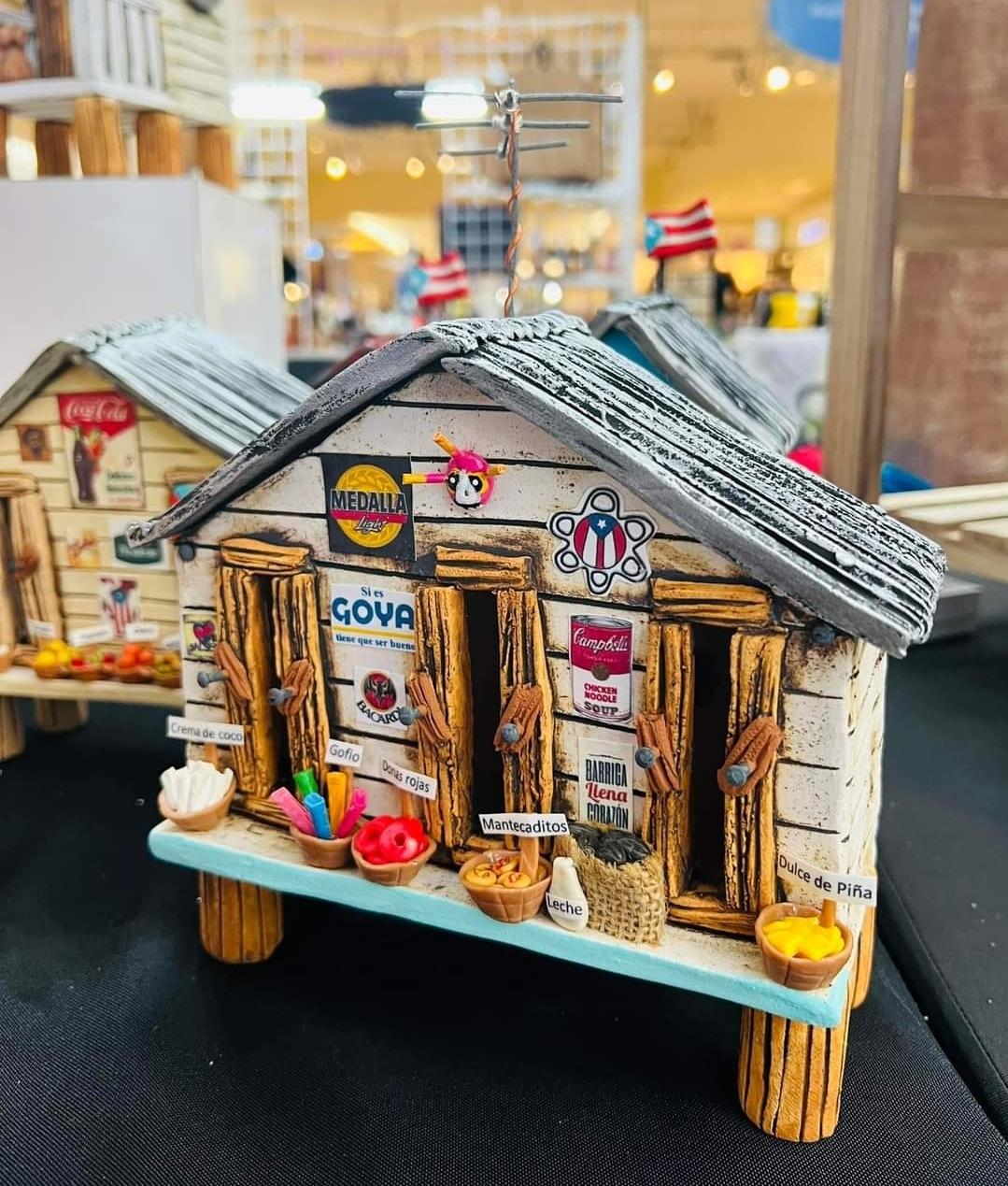
clay pottery

La confección de cerámica en barro es una antigua tradición artesanal en Puerto Rico que se remonta a tiempos precolombinos. Antes de la llegada de los colonizadores europeos, los indígenas taínos ya practicaban la alfarería y creaban hermosos objetos utilitarios y decorativos utilizando arcilla. Cada vez que se observa una bella vasija del legado taino […]

Descripción

La confección de cerámica en barro es una antigua tradición artesanal en Puerto Rico que se remonta a tiempos precolombinos. Antes de la llegada de los colonizadores europeos, los indígenas taínos ya practicaban la alfarería y creaban hermosos objetos utilitarios y decorativos utilizando arcilla.
Cada vez que se observa una bella vasija del legado taino se debe recordar que ese barro le fue dado forma por las manos tainas. Los taínos recolectaban el barro de los ríos y arroyos cercanos, y lo amasaban para obtener una masa maleable. Luego, moldeaban la arcilla con las manos y la modelaban en formas diversas, como platos, vasijas, ollas y figuras antropomórficas. Para endurecer las piezas, las dejaban secar al sol y luego las cocían en fogones de leña o en hoyos en la tierra.  Esta práctica no ha tenido mucho cambio. Aunque se ha modernizado el proceso este continua muy parecido al proceso original.
Las cerámicas tenían su función práctica, claro está, pero también la alfarería representaba ídolos, figuras antropomorfas y zoomorfas al igual que sencillos platos, bateas y burenes para hacer el cazabe. Los tainos que esculpían y les daban forma a las vasijas imprimían sus conceptos distintivos en cada una de sus obras.

Hoy en día, la confección de cerámica en barro es una expresión artística vibrante en Puerto Rico. Los artesanos utilizan técnicas tradicionales y contemporáneas para crear piezas únicas, como jarrones, tazas, platos y esculturas. Estas obras de arte son valoradas tanto por su belleza estética como por su conexión con la historia y la cultura puertorriqueñas.

Así como los tainos se expresaban a través de la arcilla el artesano Víctor  Sosa expresa y cuenta nuestra historia con sus piezas diseñando las típicas casitas de campo en tiempos pasados en Puerto Rico. Estas representan de manera simbólica nuestros valores e identidad como pueblo. Representa al pueblo que se levanta, emergiendo de la pobreza y el dolor de cara al futuro, sin olvidar sus orígenes.

Los socos representan la fuerza, valentía y perseverancia. Las puertas y ventanas abiertas representan el amanecer a nuevas oportunidades. Sus clavos verdaderos no nos permiten olvidar el camino recorrido y los sacrificios que nos hicieron ms fuerte y por último, pero no menos importante sus colores tropicales representan el mundo de alegrías que caracteriza al puertorriqueño.

english

clay potteryThe production of clay pottery is an ancient craft tradition in Puerto Rico that dates back to pre-Columbian times. Before the arrival of the European colonizers, the «Taino» Indians were already practicing pottery and creating beautiful utilitarian and decorative objects using clay. Whenever you see a beautiful vessel of the «Taino» heritage, you should remember that the clay was shaped by their hands. They collected the clay from nearby rivers and streams, and kneaded it into a malleable mass. They then molded the clay with their hands and shaped it into various shapes, such as plates, vessels, pots and anthropomorphic figures. To harden the pieces, they left them to dry in the sun and then fired them on wood fires or in holes in the ground.  This practice has not changed much. Although the process has been modernized, it is still very similar to the original process.

The pottery had its practical function, but the pottery also represented idols, anthropomorphic and zoomorphic figures as well as simple plates, bowls and burenes for making hunting. The «Tainos» who sculpted and shaped the vessels imprinted their distinctive concepts on each of their works. Today, production is a vibrant artistic expression in Puerto Rico. Artisans use traditional and contemporary techniques to create unique pieces such as vases, cups, plates and sculptures. These works of art are valued both for their aesthetic beauty and their connection to Puerto Rican history and culture.

Just as the «Tainos» expressed themselves through clay, the artisan Victor Sosa, tells our history with his pieces designing the typical cottages of the past in Puerto Rico. These symbolically represent our values ​​and identity as a people. They represent the people rising up, emerging from poverty and pain to face the future, without forgetting their origins.

The «socos» represented strength, courage and perseverance. The open doors and windows represent the dawn of new opportunities. They do not allow us to forget the road traveled and the sacrifices that made us stronger and last but not least their tropical colors represent the world of joy that characterizes the Puerto Rican.

Valoraciones

No hay valoraciones aún.

Sé el primero en valorar “clay pottery”

Tu dirección de correo electrónico no será publicada. Los campos obligatorios están marcados con *

Descripción

La confección de cerámica en barro es una antigua tradición artesanal en Puerto Rico que se remonta a tiempos precolombinos. Antes de la llegada de los colonizadores europeos, los indígenas taínos ya practicaban la alfarería y creaban hermosos objetos utilitarios y decorativos utilizando arcilla.
Cada vez que se observa una bella vasija del legado taino se debe recordar que ese barro le fue dado forma por las manos tainas. Los taínos recolectaban el barro de los ríos y arroyos cercanos, y lo amasaban para obtener una masa maleable. Luego, moldeaban la arcilla con las manos y la modelaban en formas diversas, como platos, vasijas, ollas y figuras antropomórficas. Para endurecer las piezas, las dejaban secar al sol y luego las cocían en fogones de leña o en hoyos en la tierra.  Esta práctica no ha tenido mucho cambio. Aunque se ha modernizado el proceso este continua muy parecido al proceso original.
Las cerámicas tenían su función práctica, claro está, pero también la alfarería representaba ídolos, figuras antropomorfas y zoomorfas al igual que sencillos platos, bateas y burenes para hacer el cazabe. Los tainos que esculpían y les daban forma a las vasijas imprimían sus conceptos distintivos en cada una de sus obras.

Hoy en día, la confección de cerámica en barro es una expresión artística vibrante en Puerto Rico. Los artesanos utilizan técnicas tradicionales y contemporáneas para crear piezas únicas, como jarrones, tazas, platos y esculturas. Estas obras de arte son valoradas tanto por su belleza estética como por su conexión con la historia y la cultura puertorriqueñas.

Así como los tainos se expresaban a través de la arcilla el artesano Víctor  Sosa expresa y cuenta nuestra historia con sus piezas diseñando las típicas casitas de campo en tiempos pasados en Puerto Rico. Estas representan de manera simbólica nuestros valores e identidad como pueblo. Representa al pueblo que se levanta, emergiendo de la pobreza y el dolor de cara al futuro, sin olvidar sus orígenes.

Los socos representan la fuerza, valentía y perseverancia. Las puertas y ventanas abiertas representan el amanecer a nuevas oportunidades. Sus clavos verdaderos no nos permiten olvidar el camino recorrido y los sacrificios que nos hicieron ms fuerte y por último, pero no menos importante sus colores tropicales representan el mundo de alegrías que caracteriza al puertorriqueño.

english

clay potteryThe production of clay pottery is an ancient craft tradition in Puerto Rico that dates back to pre-Columbian times. Before the arrival of the European colonizers, the «Taino» Indians were already practicing pottery and creating beautiful utilitarian and decorative objects using clay. Whenever you see a beautiful vessel of the «Taino» heritage, you should remember that the clay was shaped by their hands. They collected the clay from nearby rivers and streams, and kneaded it into a malleable mass. They then molded the clay with their hands and shaped it into various shapes, such as plates, vessels, pots and anthropomorphic figures. To harden the pieces, they left them to dry in the sun and then fired them on wood fires or in holes in the ground.  This practice has not changed much. Although the process has been modernized, it is still very similar to the original process.

The pottery had its practical function, but the pottery also represented idols, anthropomorphic and zoomorphic figures as well as simple plates, bowls and burenes for making hunting. The «Tainos» who sculpted and shaped the vessels imprinted their distinctive concepts on each of their works. Today, production is a vibrant artistic expression in Puerto Rico. Artisans use traditional and contemporary techniques to create unique pieces such as vases, cups, plates and sculptures. These works of art are valued both for their aesthetic beauty and their connection to Puerto Rican history and culture.

Just as the «Tainos» expressed themselves through clay, the artisan Victor Sosa, tells our history with his pieces designing the typical cottages of the past in Puerto Rico. These symbolically represent our values ​​and identity as a people. They represent the people rising up, emerging from poverty and pain to face the future, without forgetting their origins.

The «socos» represented strength, courage and perseverance. The open doors and windows represent the dawn of new opportunities. They do not allow us to forget the road traveled and the sacrifices that made us stronger and last but not least their tropical colors represent the world of joy that characterizes the Puerto Rican.

Valoraciones

No hay valoraciones aún.

Sé el primero en valorar “clay pottery”

Tu dirección de correo electrónico no será publicada. Los campos obligatorios están marcados con *

Descripción

La confección de cerámica en barro es una antigua tradición artesanal en Puerto Rico que se remonta a tiempos precolombinos. Antes de la llegada de los colonizadores europeos, los indígenas taínos ya practicaban la alfarería y creaban hermosos objetos utilitarios y decorativos utilizando arcilla.
Cada vez que se observa una bella vasija del legado taino se debe recordar que ese barro le fue dado forma por las manos tainas. Los taínos recolectaban el barro de los ríos y arroyos cercanos, y lo amasaban para obtener una masa maleable. Luego, moldeaban la arcilla con las manos y la modelaban en formas diversas, como platos, vasijas, ollas y figuras antropomórficas. Para endurecer las piezas, las dejaban secar al sol y luego las cocían en fogones de leña o en hoyos en la tierra.  Esta práctica no ha tenido mucho cambio. Aunque se ha modernizado el proceso este continua muy parecido al proceso original.
Las cerámicas tenían su función práctica, claro está, pero también la alfarería representaba ídolos, figuras antropomorfas y zoomorfas al igual que sencillos platos, bateas y burenes para hacer el cazabe. Los tainos que esculpían y les daban forma a las vasijas imprimían sus conceptos distintivos en cada una de sus obras.

Hoy en día, la confección de cerámica en barro es una expresión artística vibrante en Puerto Rico. Los artesanos utilizan técnicas tradicionales y contemporáneas para crear piezas únicas, como jarrones, tazas, platos y esculturas. Estas obras de arte son valoradas tanto por su belleza estética como por su conexión con la historia y la cultura puertorriqueñas.

Así como los tainos se expresaban a través de la arcilla el artesano Víctor  Sosa expresa y cuenta nuestra historia con sus piezas diseñando las típicas casitas de campo en tiempos pasados en Puerto Rico. Estas representan de manera simbólica nuestros valores e identidad como pueblo. Representa al pueblo que se levanta, emergiendo de la pobreza y el dolor de cara al futuro, sin olvidar sus orígenes.

Los socos representan la fuerza, valentía y perseverancia. Las puertas y ventanas abiertas representan el amanecer a nuevas oportunidades. Sus clavos verdaderos no nos permiten olvidar el camino recorrido y los sacrificios que nos hicieron ms fuerte y por último, pero no menos importante sus colores tropicales representan el mundo de alegrías que caracteriza al puertorriqueño.

english

clay potteryThe production of clay pottery is an ancient craft tradition in Puerto Rico that dates back to pre-Columbian times. Before the arrival of the European colonizers, the «Taino» Indians were already practicing pottery and creating beautiful utilitarian and decorative objects using clay. Whenever you see a beautiful vessel of the «Taino» heritage, you should remember that the clay was shaped by their hands. They collected the clay from nearby rivers and streams, and kneaded it into a malleable mass. They then molded the clay with their hands and shaped it into various shapes, such as plates, vessels, pots and anthropomorphic figures. To harden the pieces, they left them to dry in the sun and then fired them on wood fires or in holes in the ground.  This practice has not changed much. Although the process has been modernized, it is still very similar to the original process.

The pottery had its practical function, but the pottery also represented idols, anthropomorphic and zoomorphic figures as well as simple plates, bowls and burenes for making hunting. The «Tainos» who sculpted and shaped the vessels imprinted their distinctive concepts on each of their works. Today, production is a vibrant artistic expression in Puerto Rico. Artisans use traditional and contemporary techniques to create unique pieces such as vases, cups, plates and sculptures. These works of art are valued both for their aesthetic beauty and their connection to Puerto Rican history and culture.

Just as the «Tainos» expressed themselves through clay, the artisan Victor Sosa, tells our history with his pieces designing the typical cottages of the past in Puerto Rico. These symbolically represent our values ​​and identity as a people. They represent the people rising up, emerging from poverty and pain to face the future, without forgetting their origins.

The «socos» represented strength, courage and perseverance. The open doors and windows represent the dawn of new opportunities. They do not allow us to forget the road traveled and the sacrifices that made us stronger and last but not least their tropical colors represent the world of joy that characterizes the Puerto Rican.

Valoraciones

No hay valoraciones aún.

Sé el primero en valorar “clay pottery”

Tu dirección de correo electrónico no será publicada. Los campos obligatorios están marcados con *

Descripción

La confección de cerámica en barro es una antigua tradición artesanal en Puerto Rico que se remonta a tiempos precolombinos. Antes de la llegada de los colonizadores europeos, los indígenas taínos ya practicaban la alfarería y creaban hermosos objetos utilitarios y decorativos utilizando arcilla.
Cada vez que se observa una bella vasija del legado taino se debe recordar que ese barro le fue dado forma por las manos tainas. Los taínos recolectaban el barro de los ríos y arroyos cercanos, y lo amasaban para obtener una masa maleable. Luego, moldeaban la arcilla con las manos y la modelaban en formas diversas, como platos, vasijas, ollas y figuras antropomórficas. Para endurecer las piezas, las dejaban secar al sol y luego las cocían en fogones de leña o en hoyos en la tierra.  Esta práctica no ha tenido mucho cambio. Aunque se ha modernizado el proceso este continua muy parecido al proceso original.
Las cerámicas tenían su función práctica, claro está, pero también la alfarería representaba ídolos, figuras antropomorfas y zoomorfas al igual que sencillos platos, bateas y burenes para hacer el cazabe. Los tainos que esculpían y les daban forma a las vasijas imprimían sus conceptos distintivos en cada una de sus obras.

Hoy en día, la confección de cerámica en barro es una expresión artística vibrante en Puerto Rico. Los artesanos utilizan técnicas tradicionales y contemporáneas para crear piezas únicas, como jarrones, tazas, platos y esculturas. Estas obras de arte son valoradas tanto por su belleza estética como por su conexión con la historia y la cultura puertorriqueñas.

Así como los tainos se expresaban a través de la arcilla el artesano Víctor  Sosa expresa y cuenta nuestra historia con sus piezas diseñando las típicas casitas de campo en tiempos pasados en Puerto Rico. Estas representan de manera simbólica nuestros valores e identidad como pueblo. Representa al pueblo que se levanta, emergiendo de la pobreza y el dolor de cara al futuro, sin olvidar sus orígenes.

Los socos representan la fuerza, valentía y perseverancia. Las puertas y ventanas abiertas representan el amanecer a nuevas oportunidades. Sus clavos verdaderos no nos permiten olvidar el camino recorrido y los sacrificios que nos hicieron ms fuerte y por último, pero no menos importante sus colores tropicales representan el mundo de alegrías que caracteriza al puertorriqueño.

english

clay potteryThe production of clay pottery is an ancient craft tradition in Puerto Rico that dates back to pre-Columbian times. Before the arrival of the European colonizers, the «Taino» Indians were already practicing pottery and creating beautiful utilitarian and decorative objects using clay. Whenever you see a beautiful vessel of the «Taino» heritage, you should remember that the clay was shaped by their hands. They collected the clay from nearby rivers and streams, and kneaded it into a malleable mass. They then molded the clay with their hands and shaped it into various shapes, such as plates, vessels, pots and anthropomorphic figures. To harden the pieces, they left them to dry in the sun and then fired them on wood fires or in holes in the ground.  This practice has not changed much. Although the process has been modernized, it is still very similar to the original process.

The pottery had its practical function, but the pottery also represented idols, anthropomorphic and zoomorphic figures as well as simple plates, bowls and burenes for making hunting. The «Tainos» who sculpted and shaped the vessels imprinted their distinctive concepts on each of their works. Today, production is a vibrant artistic expression in Puerto Rico. Artisans use traditional and contemporary techniques to create unique pieces such as vases, cups, plates and sculptures. These works of art are valued both for their aesthetic beauty and their connection to Puerto Rican history and culture.

Just as the «Tainos» expressed themselves through clay, the artisan Victor Sosa, tells our history with his pieces designing the typical cottages of the past in Puerto Rico. These symbolically represent our values ​​and identity as a people. They represent the people rising up, emerging from poverty and pain to face the future, without forgetting their origins.

The «socos» represented strength, courage and perseverance. The open doors and windows represent the dawn of new opportunities. They do not allow us to forget the road traveled and the sacrifices that made us stronger and last but not least their tropical colors represent the world of joy that characterizes the Puerto Rican.

Valoraciones

No hay valoraciones aún.

Sé el primero en valorar “clay pottery”

Tu dirección de correo electrónico no será publicada. Los campos obligatorios están marcados con *

Descripción

La confección de cerámica en barro es una antigua tradición artesanal en Puerto Rico que se remonta a tiempos precolombinos. Antes de la llegada de los colonizadores europeos, los indígenas taínos ya practicaban la alfarería y creaban hermosos objetos utilitarios y decorativos utilizando arcilla.
Cada vez que se observa una bella vasija del legado taino se debe recordar que ese barro le fue dado forma por las manos tainas. Los taínos recolectaban el barro de los ríos y arroyos cercanos, y lo amasaban para obtener una masa maleable. Luego, moldeaban la arcilla con las manos y la modelaban en formas diversas, como platos, vasijas, ollas y figuras antropomórficas. Para endurecer las piezas, las dejaban secar al sol y luego las cocían en fogones de leña o en hoyos en la tierra.  Esta práctica no ha tenido mucho cambio. Aunque se ha modernizado el proceso este continua muy parecido al proceso original.
Las cerámicas tenían su función práctica, claro está, pero también la alfarería representaba ídolos, figuras antropomorfas y zoomorfas al igual que sencillos platos, bateas y burenes para hacer el cazabe. Los tainos que esculpían y les daban forma a las vasijas imprimían sus conceptos distintivos en cada una de sus obras.

Hoy en día, la confección de cerámica en barro es una expresión artística vibrante en Puerto Rico. Los artesanos utilizan técnicas tradicionales y contemporáneas para crear piezas únicas, como jarrones, tazas, platos y esculturas. Estas obras de arte son valoradas tanto por su belleza estética como por su conexión con la historia y la cultura puertorriqueñas.

Así como los tainos se expresaban a través de la arcilla el artesano Víctor  Sosa expresa y cuenta nuestra historia con sus piezas diseñando las típicas casitas de campo en tiempos pasados en Puerto Rico. Estas representan de manera simbólica nuestros valores e identidad como pueblo. Representa al pueblo que se levanta, emergiendo de la pobreza y el dolor de cara al futuro, sin olvidar sus orígenes.

Los socos representan la fuerza, valentía y perseverancia. Las puertas y ventanas abiertas representan el amanecer a nuevas oportunidades. Sus clavos verdaderos no nos permiten olvidar el camino recorrido y los sacrificios que nos hicieron ms fuerte y por último, pero no menos importante sus colores tropicales representan el mundo de alegrías que caracteriza al puertorriqueño.

english

clay potteryThe production of clay pottery is an ancient craft tradition in Puerto Rico that dates back to pre-Columbian times. Before the arrival of the European colonizers, the «Taino» Indians were already practicing pottery and creating beautiful utilitarian and decorative objects using clay. Whenever you see a beautiful vessel of the «Taino» heritage, you should remember that the clay was shaped by their hands. They collected the clay from nearby rivers and streams, and kneaded it into a malleable mass. They then molded the clay with their hands and shaped it into various shapes, such as plates, vessels, pots and anthropomorphic figures. To harden the pieces, they left them to dry in the sun and then fired them on wood fires or in holes in the ground.  This practice has not changed much. Although the process has been modernized, it is still very similar to the original process.

The pottery had its practical function, but the pottery also represented idols, anthropomorphic and zoomorphic figures as well as simple plates, bowls and burenes for making hunting. The «Tainos» who sculpted and shaped the vessels imprinted their distinctive concepts on each of their works. Today, production is a vibrant artistic expression in Puerto Rico. Artisans use traditional and contemporary techniques to create unique pieces such as vases, cups, plates and sculptures. These works of art are valued both for their aesthetic beauty and their connection to Puerto Rican history and culture.

Just as the «Tainos» expressed themselves through clay, the artisan Victor Sosa, tells our history with his pieces designing the typical cottages of the past in Puerto Rico. These symbolically represent our values ​​and identity as a people. They represent the people rising up, emerging from poverty and pain to face the future, without forgetting their origins.

The «socos» represented strength, courage and perseverance. The open doors and windows represent the dawn of new opportunities. They do not allow us to forget the road traveled and the sacrifices that made us stronger and last but not least their tropical colors represent the world of joy that characterizes the Puerto Rican.

Valoraciones

No hay valoraciones aún.

Sé el primero en valorar “clay pottery”

Tu dirección de correo electrónico no será publicada. Los campos obligatorios están marcados con *

Descripción

La confección de cerámica en barro es una antigua tradición artesanal en Puerto Rico que se remonta a tiempos precolombinos. Antes de la llegada de los colonizadores europeos, los indígenas taínos ya practicaban la alfarería y creaban hermosos objetos utilitarios y decorativos utilizando arcilla.
Cada vez que se observa una bella vasija del legado taino se debe recordar que ese barro le fue dado forma por las manos tainas. Los taínos recolectaban el barro de los ríos y arroyos cercanos, y lo amasaban para obtener una masa maleable. Luego, moldeaban la arcilla con las manos y la modelaban en formas diversas, como platos, vasijas, ollas y figuras antropomórficas. Para endurecer las piezas, las dejaban secar al sol y luego las cocían en fogones de leña o en hoyos en la tierra.  Esta práctica no ha tenido mucho cambio. Aunque se ha modernizado el proceso este continua muy parecido al proceso original.
Las cerámicas tenían su función práctica, claro está, pero también la alfarería representaba ídolos, figuras antropomorfas y zoomorfas al igual que sencillos platos, bateas y burenes para hacer el cazabe. Los tainos que esculpían y les daban forma a las vasijas imprimían sus conceptos distintivos en cada una de sus obras.

Hoy en día, la confección de cerámica en barro es una expresión artística vibrante en Puerto Rico. Los artesanos utilizan técnicas tradicionales y contemporáneas para crear piezas únicas, como jarrones, tazas, platos y esculturas. Estas obras de arte son valoradas tanto por su belleza estética como por su conexión con la historia y la cultura puertorriqueñas.

Así como los tainos se expresaban a través de la arcilla el artesano Víctor  Sosa expresa y cuenta nuestra historia con sus piezas diseñando las típicas casitas de campo en tiempos pasados en Puerto Rico. Estas representan de manera simbólica nuestros valores e identidad como pueblo. Representa al pueblo que se levanta, emergiendo de la pobreza y el dolor de cara al futuro, sin olvidar sus orígenes.

Los socos representan la fuerza, valentía y perseverancia. Las puertas y ventanas abiertas representan el amanecer a nuevas oportunidades. Sus clavos verdaderos no nos permiten olvidar el camino recorrido y los sacrificios que nos hicieron ms fuerte y por último, pero no menos importante sus colores tropicales representan el mundo de alegrías que caracteriza al puertorriqueño.

english

clay potteryThe production of clay pottery is an ancient craft tradition in Puerto Rico that dates back to pre-Columbian times. Before the arrival of the European colonizers, the «Taino» Indians were already practicing pottery and creating beautiful utilitarian and decorative objects using clay. Whenever you see a beautiful vessel of the «Taino» heritage, you should remember that the clay was shaped by their hands. They collected the clay from nearby rivers and streams, and kneaded it into a malleable mass. They then molded the clay with their hands and shaped it into various shapes, such as plates, vessels, pots and anthropomorphic figures. To harden the pieces, they left them to dry in the sun and then fired them on wood fires or in holes in the ground.  This practice has not changed much. Although the process has been modernized, it is still very similar to the original process.

The pottery had its practical function, but the pottery also represented idols, anthropomorphic and zoomorphic figures as well as simple plates, bowls and burenes for making hunting. The «Tainos» who sculpted and shaped the vessels imprinted their distinctive concepts on each of their works. Today, production is a vibrant artistic expression in Puerto Rico. Artisans use traditional and contemporary techniques to create unique pieces such as vases, cups, plates and sculptures. These works of art are valued both for their aesthetic beauty and their connection to Puerto Rican history and culture.

Just as the «Tainos» expressed themselves through clay, the artisan Victor Sosa, tells our history with his pieces designing the typical cottages of the past in Puerto Rico. These symbolically represent our values ​​and identity as a people. They represent the people rising up, emerging from poverty and pain to face the future, without forgetting their origins.

The «socos» represented strength, courage and perseverance. The open doors and windows represent the dawn of new opportunities. They do not allow us to forget the road traveled and the sacrifices that made us stronger and last but not least their tropical colors represent the world of joy that characterizes the Puerto Rican.

Valoraciones

No hay valoraciones aún.

Sé el primero en valorar “clay pottery”

Tu dirección de correo electrónico no será publicada. Los campos obligatorios están marcados con *

Descripción

La confección de cerámica en barro es una antigua tradición artesanal en Puerto Rico que se remonta a tiempos precolombinos. Antes de la llegada de los colonizadores europeos, los indígenas taínos ya practicaban la alfarería y creaban hermosos objetos utilitarios y decorativos utilizando arcilla.
Cada vez que se observa una bella vasija del legado taino se debe recordar que ese barro le fue dado forma por las manos tainas. Los taínos recolectaban el barro de los ríos y arroyos cercanos, y lo amasaban para obtener una masa maleable. Luego, moldeaban la arcilla con las manos y la modelaban en formas diversas, como platos, vasijas, ollas y figuras antropomórficas. Para endurecer las piezas, las dejaban secar al sol y luego las cocían en fogones de leña o en hoyos en la tierra.  Esta práctica no ha tenido mucho cambio. Aunque se ha modernizado el proceso este continua muy parecido al proceso original.
Las cerámicas tenían su función práctica, claro está, pero también la alfarería representaba ídolos, figuras antropomorfas y zoomorfas al igual que sencillos platos, bateas y burenes para hacer el cazabe. Los tainos que esculpían y les daban forma a las vasijas imprimían sus conceptos distintivos en cada una de sus obras.

Hoy en día, la confección de cerámica en barro es una expresión artística vibrante en Puerto Rico. Los artesanos utilizan técnicas tradicionales y contemporáneas para crear piezas únicas, como jarrones, tazas, platos y esculturas. Estas obras de arte son valoradas tanto por su belleza estética como por su conexión con la historia y la cultura puertorriqueñas.

Así como los tainos se expresaban a través de la arcilla el artesano Víctor  Sosa expresa y cuenta nuestra historia con sus piezas diseñando las típicas casitas de campo en tiempos pasados en Puerto Rico. Estas representan de manera simbólica nuestros valores e identidad como pueblo. Representa al pueblo que se levanta, emergiendo de la pobreza y el dolor de cara al futuro, sin olvidar sus orígenes.

Los socos representan la fuerza, valentía y perseverancia. Las puertas y ventanas abiertas representan el amanecer a nuevas oportunidades. Sus clavos verdaderos no nos permiten olvidar el camino recorrido y los sacrificios que nos hicieron ms fuerte y por último, pero no menos importante sus colores tropicales representan el mundo de alegrías que caracteriza al puertorriqueño.

english

clay potteryThe production of clay pottery is an ancient craft tradition in Puerto Rico that dates back to pre-Columbian times. Before the arrival of the European colonizers, the «Taino» Indians were already practicing pottery and creating beautiful utilitarian and decorative objects using clay. Whenever you see a beautiful vessel of the «Taino» heritage, you should remember that the clay was shaped by their hands. They collected the clay from nearby rivers and streams, and kneaded it into a malleable mass. They then molded the clay with their hands and shaped it into various shapes, such as plates, vessels, pots and anthropomorphic figures. To harden the pieces, they left them to dry in the sun and then fired them on wood fires or in holes in the ground.  This practice has not changed much. Although the process has been modernized, it is still very similar to the original process.

The pottery had its practical function, but the pottery also represented idols, anthropomorphic and zoomorphic figures as well as simple plates, bowls and burenes for making hunting. The «Tainos» who sculpted and shaped the vessels imprinted their distinctive concepts on each of their works. Today, production is a vibrant artistic expression in Puerto Rico. Artisans use traditional and contemporary techniques to create unique pieces such as vases, cups, plates and sculptures. These works of art are valued both for their aesthetic beauty and their connection to Puerto Rican history and culture.

Just as the «Tainos» expressed themselves through clay, the artisan Victor Sosa, tells our history with his pieces designing the typical cottages of the past in Puerto Rico. These symbolically represent our values ​​and identity as a people. They represent the people rising up, emerging from poverty and pain to face the future, without forgetting their origins.

The «socos» represented strength, courage and perseverance. The open doors and windows represent the dawn of new opportunities. They do not allow us to forget the road traveled and the sacrifices that made us stronger and last but not least their tropical colors represent the world of joy that characterizes the Puerto Rican.

Valoraciones

No hay valoraciones aún.

Sé el primero en valorar “clay pottery”

Tu dirección de correo electrónico no será publicada. Los campos obligatorios están marcados con *

Descripción

La confección de cerámica en barro es una antigua tradición artesanal en Puerto Rico que se remonta a tiempos precolombinos. Antes de la llegada de los colonizadores europeos, los indígenas taínos ya practicaban la alfarería y creaban hermosos objetos utilitarios y decorativos utilizando arcilla.
Cada vez que se observa una bella vasija del legado taino se debe recordar que ese barro le fue dado forma por las manos tainas. Los taínos recolectaban el barro de los ríos y arroyos cercanos, y lo amasaban para obtener una masa maleable. Luego, moldeaban la arcilla con las manos y la modelaban en formas diversas, como platos, vasijas, ollas y figuras antropomórficas. Para endurecer las piezas, las dejaban secar al sol y luego las cocían en fogones de leña o en hoyos en la tierra.  Esta práctica no ha tenido mucho cambio. Aunque se ha modernizado el proceso este continua muy parecido al proceso original.
Las cerámicas tenían su función práctica, claro está, pero también la alfarería representaba ídolos, figuras antropomorfas y zoomorfas al igual que sencillos platos, bateas y burenes para hacer el cazabe. Los tainos que esculpían y les daban forma a las vasijas imprimían sus conceptos distintivos en cada una de sus obras.

Hoy en día, la confección de cerámica en barro es una expresión artística vibrante en Puerto Rico. Los artesanos utilizan técnicas tradicionales y contemporáneas para crear piezas únicas, como jarrones, tazas, platos y esculturas. Estas obras de arte son valoradas tanto por su belleza estética como por su conexión con la historia y la cultura puertorriqueñas.

Así como los tainos se expresaban a través de la arcilla el artesano Víctor  Sosa expresa y cuenta nuestra historia con sus piezas diseñando las típicas casitas de campo en tiempos pasados en Puerto Rico. Estas representan de manera simbólica nuestros valores e identidad como pueblo. Representa al pueblo que se levanta, emergiendo de la pobreza y el dolor de cara al futuro, sin olvidar sus orígenes.

Los socos representan la fuerza, valentía y perseverancia. Las puertas y ventanas abiertas representan el amanecer a nuevas oportunidades. Sus clavos verdaderos no nos permiten olvidar el camino recorrido y los sacrificios que nos hicieron ms fuerte y por último, pero no menos importante sus colores tropicales representan el mundo de alegrías que caracteriza al puertorriqueño.

english

clay potteryThe production of clay pottery is an ancient craft tradition in Puerto Rico that dates back to pre-Columbian times. Before the arrival of the European colonizers, the «Taino» Indians were already practicing pottery and creating beautiful utilitarian and decorative objects using clay. Whenever you see a beautiful vessel of the «Taino» heritage, you should remember that the clay was shaped by their hands. They collected the clay from nearby rivers and streams, and kneaded it into a malleable mass. They then molded the clay with their hands and shaped it into various shapes, such as plates, vessels, pots and anthropomorphic figures. To harden the pieces, they left them to dry in the sun and then fired them on wood fires or in holes in the ground.  This practice has not changed much. Although the process has been modernized, it is still very similar to the original process.

The pottery had its practical function, but the pottery also represented idols, anthropomorphic and zoomorphic figures as well as simple plates, bowls and burenes for making hunting. The «Tainos» who sculpted and shaped the vessels imprinted their distinctive concepts on each of their works. Today, production is a vibrant artistic expression in Puerto Rico. Artisans use traditional and contemporary techniques to create unique pieces such as vases, cups, plates and sculptures. These works of art are valued both for their aesthetic beauty and their connection to Puerto Rican history and culture.

Just as the «Tainos» expressed themselves through clay, the artisan Victor Sosa, tells our history with his pieces designing the typical cottages of the past in Puerto Rico. These symbolically represent our values ​​and identity as a people. They represent the people rising up, emerging from poverty and pain to face the future, without forgetting their origins.

The «socos» represented strength, courage and perseverance. The open doors and windows represent the dawn of new opportunities. They do not allow us to forget the road traveled and the sacrifices that made us stronger and last but not least their tropical colors represent the world of joy that characterizes the Puerto Rican.

Valoraciones

No hay valoraciones aún.

Sé el primero en valorar “clay pottery”

Tu dirección de correo electrónico no será publicada. Los campos obligatorios están marcados con *

Descripción

La confección de cerámica en barro es una antigua tradición artesanal en Puerto Rico que se remonta a tiempos precolombinos. Antes de la llegada de los colonizadores europeos, los indígenas taínos ya practicaban la alfarería y creaban hermosos objetos utilitarios y decorativos utilizando arcilla.
Cada vez que se observa una bella vasija del legado taino se debe recordar que ese barro le fue dado forma por las manos tainas. Los taínos recolectaban el barro de los ríos y arroyos cercanos, y lo amasaban para obtener una masa maleable. Luego, moldeaban la arcilla con las manos y la modelaban en formas diversas, como platos, vasijas, ollas y figuras antropomórficas. Para endurecer las piezas, las dejaban secar al sol y luego las cocían en fogones de leña o en hoyos en la tierra.  Esta práctica no ha tenido mucho cambio. Aunque se ha modernizado el proceso este continua muy parecido al proceso original.
Las cerámicas tenían su función práctica, claro está, pero también la alfarería representaba ídolos, figuras antropomorfas y zoomorfas al igual que sencillos platos, bateas y burenes para hacer el cazabe. Los tainos que esculpían y les daban forma a las vasijas imprimían sus conceptos distintivos en cada una de sus obras.

Hoy en día, la confección de cerámica en barro es una expresión artística vibrante en Puerto Rico. Los artesanos utilizan técnicas tradicionales y contemporáneas para crear piezas únicas, como jarrones, tazas, platos y esculturas. Estas obras de arte son valoradas tanto por su belleza estética como por su conexión con la historia y la cultura puertorriqueñas.

Así como los tainos se expresaban a través de la arcilla el artesano Víctor  Sosa expresa y cuenta nuestra historia con sus piezas diseñando las típicas casitas de campo en tiempos pasados en Puerto Rico. Estas representan de manera simbólica nuestros valores e identidad como pueblo. Representa al pueblo que se levanta, emergiendo de la pobreza y el dolor de cara al futuro, sin olvidar sus orígenes.

Los socos representan la fuerza, valentía y perseverancia. Las puertas y ventanas abiertas representan el amanecer a nuevas oportunidades. Sus clavos verdaderos no nos permiten olvidar el camino recorrido y los sacrificios que nos hicieron ms fuerte y por último, pero no menos importante sus colores tropicales representan el mundo de alegrías que caracteriza al puertorriqueño.

english

clay potteryThe production of clay pottery is an ancient craft tradition in Puerto Rico that dates back to pre-Columbian times. Before the arrival of the European colonizers, the «Taino» Indians were already practicing pottery and creating beautiful utilitarian and decorative objects using clay. Whenever you see a beautiful vessel of the «Taino» heritage, you should remember that the clay was shaped by their hands. They collected the clay from nearby rivers and streams, and kneaded it into a malleable mass. They then molded the clay with their hands and shaped it into various shapes, such as plates, vessels, pots and anthropomorphic figures. To harden the pieces, they left them to dry in the sun and then fired them on wood fires or in holes in the ground.  This practice has not changed much. Although the process has been modernized, it is still very similar to the original process.

The pottery had its practical function, but the pottery also represented idols, anthropomorphic and zoomorphic figures as well as simple plates, bowls and burenes for making hunting. The «Tainos» who sculpted and shaped the vessels imprinted their distinctive concepts on each of their works. Today, production is a vibrant artistic expression in Puerto Rico. Artisans use traditional and contemporary techniques to create unique pieces such as vases, cups, plates and sculptures. These works of art are valued both for their aesthetic beauty and their connection to Puerto Rican history and culture.

Just as the «Tainos» expressed themselves through clay, the artisan Victor Sosa, tells our history with his pieces designing the typical cottages of the past in Puerto Rico. These symbolically represent our values ​​and identity as a people. They represent the people rising up, emerging from poverty and pain to face the future, without forgetting their origins.

The «socos» represented strength, courage and perseverance. The open doors and windows represent the dawn of new opportunities. They do not allow us to forget the road traveled and the sacrifices that made us stronger and last but not least their tropical colors represent the world of joy that characterizes the Puerto Rican.

Valoraciones

No hay valoraciones aún.

Sé el primero en valorar “clay pottery”

Tu dirección de correo electrónico no será publicada. Los campos obligatorios están marcados con *

Descripción

The making of clay pottery is an ancient artisanal tradition in Puerto Rico that dates back to pre-Columbian times. Before the arrival of European colonizers, the Taíno indigenous people already practiced pottery and created beautiful utilitarian and decorative objects using clay.
Every time you see a beautiful vessel from the Taino legacy, you should remember that that clay was shaped by Taino hands. The Tainos collected mud from nearby rivers and streams, and kneaded it to obtain a malleable mass. Then, they molded the clay with their hands and modeled it into various shapes, such as plates, vessels, pots and anthropomorphic figures. To harden the pieces, they let them dry in the sun and then cooked them in wood stoves or in holes in the ground.  This practice has not changed much. Although the process has been modernized, it continues very similar to the original process.
The ceramics had their practical function, of course, but the pottery also represented idols, anthropomorphic and zoomorphic figures as well as simple plates, pans and burenes to make the cassava. The Tainos who sculpted and shaped the vessels imprinted their distinctive concepts on each of their works.

Today, the making of clay pottery is a vibrant artistic expression in Puerto Rico. Artisans use traditional and contemporary techniques to create unique pieces such as vases, mugs, plates and sculptures. These works of art are valued both for their aesthetic beauty and their connection to Puerto Rican history and culture.

Just as the Tainos expressed themselves through clay, the artisan Víctor Sosa expresses and tells our story with his pieces designing the typical country houses in times past in Puerto Rico. These symbolically represent our values ​​and identity as a people. It represents the people that rise up, emerging from poverty and pain towards the future, without forgetting their origins.

The socos represent strength, bravery and perseverance. Open doors and windows represent the dawn of new opportunities. Its true nails do not allow us to forget the path traveled and the sacrifices that made us stronger and last, but not least, its tropical colors represent the world of joy that characterizes the Puerto Rican.

englishClay pottery

The production of clay pottery is an ancient craft tradition in Puerto Rico that dates back to pre-Columbian times. Before the arrival of the European colonizers, the "Taino" Indians were already practicing pottery and creating beautiful utilitarian and decorative objects using clay. Whenever you see a beautiful vessel of the "Taino" heritage, you should remember that the clay was shaped by their hands. They collected the clay from nearby rivers and streams, and kneaded it into a malleable mass. They then molded the clay with their hands and shaped it into various shapes, such as plates, vessels, pots and anthropomorphic figures. To harden the pieces, they left them to dry in the sun and then fired them on wood fires or in holes in the ground.  This practice has not changed much. Although the process has been modernized, it is still very similar to the original process.

The pottery had its practical function, but the pottery also represented idols, anthropomorphic and zoomorphic figures as well as simple plates, bowls and burenes for making hunting. The "Tainos" who sculpted and shaped the vessels imprinted their distinctive concepts on each of their works. Today, production is a vibrant artistic expression in Puerto Rico. Artisans use traditional and contemporary techniques to create unique pieces such as vases, cups, plates and sculptures. These works of art are valued both for their aesthetic beauty and their connection to Puerto Rican history and culture.

Just as the "Tainos" expressed themselves through clay, the artisan Victor Sosa, tells our history with his pieces designing the typical cottages of the past in Puerto Rico. These symbolically represent our values ​​and identity as a people. They represent the people rising up, emerging from poverty and pain to face the future, without forgetting their origins.

The "socos" represented strength, courage and perseverance. The open doors and windows represent the dawn of new opportunities. They do not allow us to forget the road traveled and the sacrifices that made us stronger and last but not least their tropical colors represent the world of joy that characterizes the Puerto Rican.

Valoraciones

No hay valoraciones aún.

Sé el primero en valorar “clay pottery”

Tu dirección de correo electrónico no será publicada. Los campos obligatorios están marcados con *

Descripción

La confección de cerámica en barro es una antigua tradición artesanal en Puerto Rico que se remonta a tiempos precolombinos. Antes de la llegada de los colonizadores europeos, los indígenas taínos ya practicaban la alfarería y creaban hermosos objetos utilitarios y decorativos utilizando arcilla.
Cada vez que se observa una bella vasija del legado taino se debe recordar que ese barro le fue dado forma por las manos tainas. Los taínos recolectaban el barro de los ríos y arroyos cercanos, y lo amasaban para obtener una masa maleable. Luego, moldeaban la arcilla con las manos y la modelaban en formas diversas, como platos, vasijas, ollas y figuras antropomórficas. Para endurecer las piezas, las dejaban secar al sol y luego las cocían en fogones de leña o en hoyos en la tierra.  Esta práctica no ha tenido mucho cambio. Aunque se ha modernizado el proceso este continua muy parecido al proceso original.
Las cerámicas tenían su función práctica, claro está, pero también la alfarería representaba ídolos, figuras antropomorfas y zoomorfas al igual que sencillos platos, bateas y burenes para hacer el cazabe. Los tainos que esculpían y les daban forma a las vasijas imprimían sus conceptos distintivos en cada una de sus obras.

Hoy en día, la confección de cerámica en barro es una expresión artística vibrante en Puerto Rico. Los artesanos utilizan técnicas tradicionales y contemporáneas para crear piezas únicas, como jarrones, tazas, platos y esculturas. Estas obras de arte son valoradas tanto por su belleza estética como por su conexión con la historia y la cultura puertorriqueñas.

Así como los tainos se expresaban a través de la arcilla el artesano Víctor  Sosa expresa y cuenta nuestra historia con sus piezas diseñando las típicas casitas de campo en tiempos pasados en Puerto Rico. Estas representan de manera simbólica nuestros valores e identidad como pueblo. Representa al pueblo que se levanta, emergiendo de la pobreza y el dolor de cara al futuro, sin olvidar sus orígenes.

Los socos representan la fuerza, valentía y perseverancia. Las puertas y ventanas abiertas representan el amanecer a nuevas oportunidades. Sus clavos verdaderos no nos permiten olvidar el camino recorrido y los sacrificios que nos hicieron ms fuerte y por último, pero no menos importante sus colores tropicales representan el mundo de alegrías que caracteriza al puertorriqueño.

english

Clay pottery

The production of clay pottery is an ancient craft tradition in Puerto Rico that dates back to pre-Columbian times. Before the arrival of the European colonisers, the «Taino» Indians were already practising pottery and creating beautiful utilitarian and decorative objects using clay. Whenever you see a beautiful vessel of the «Taino» heritage, you should remember that the clay was shaped by their hands. They collected the clay from nearby rivers and streams, and kneaded it into a malleable mass. They then moulded the clay with their hands and shaped it into various forms, such as plates, vessels, pots and anthropomorphic figures. To harden the pieces, they left them to dry in the sun and then fired them on wood fires or in holes in the ground.  This practice has not changed much. Although the process has been modernised, it is still very similar to the original process.

The pottery had its practical function, but the pottery also represented idols, anthropomorphic and zoomorphic figures as well as simple plates, bowls and burenes for making cazabe. The «tainos» who sculpted and shaped the vessels imprinted their distinctive concepts on each of their works. Today, production is a vibrant artistic expression in Puerto Rico. Artisans use traditional and contemporary techniques to create unique pieces such as vases, cups, plates and sculptures. These works of art are valued both for their aesthetic beauty and their connection to Puerto Rican history and culture.

Just as the «tainos» expressed themselves through clay, the artisan Victor Sosa, tells our history with his pieces designing the typical cottages of the past in Puerto Rico. These symbolically represent our values and identity as a people. They represent the people rising up, emerging from poverty and pain to face the future, without forgetting their origins.

The «socos» represent strength, courage and perseverance. The open doors and windows represent the dawn of new opportunities. They do not allow us to forget the road travelled and the sacrifices that made us stronger and last but not least their tropical colours represent the world of joy that characterises the Puerto Rican.

Valoraciones

No hay valoraciones aún.

Sé el primero en valorar “Cerámica de barro”

Tu dirección de correo electrónico no será publicada. Los campos obligatorios están marcados con *