cool

Las mujeres gunadules de Panamá diseñan las molas sobre diversas capas de telas con vistosos y variados colores, a través de las técnicas tradicionales de corte, aplicación y bordado, hasta lograr figuras y diseños geométricos con significados simbólicos de la cosmovisión gunadule. Muchos de estos significados están asociados al tipo de mola que una mujer […]

Descripción

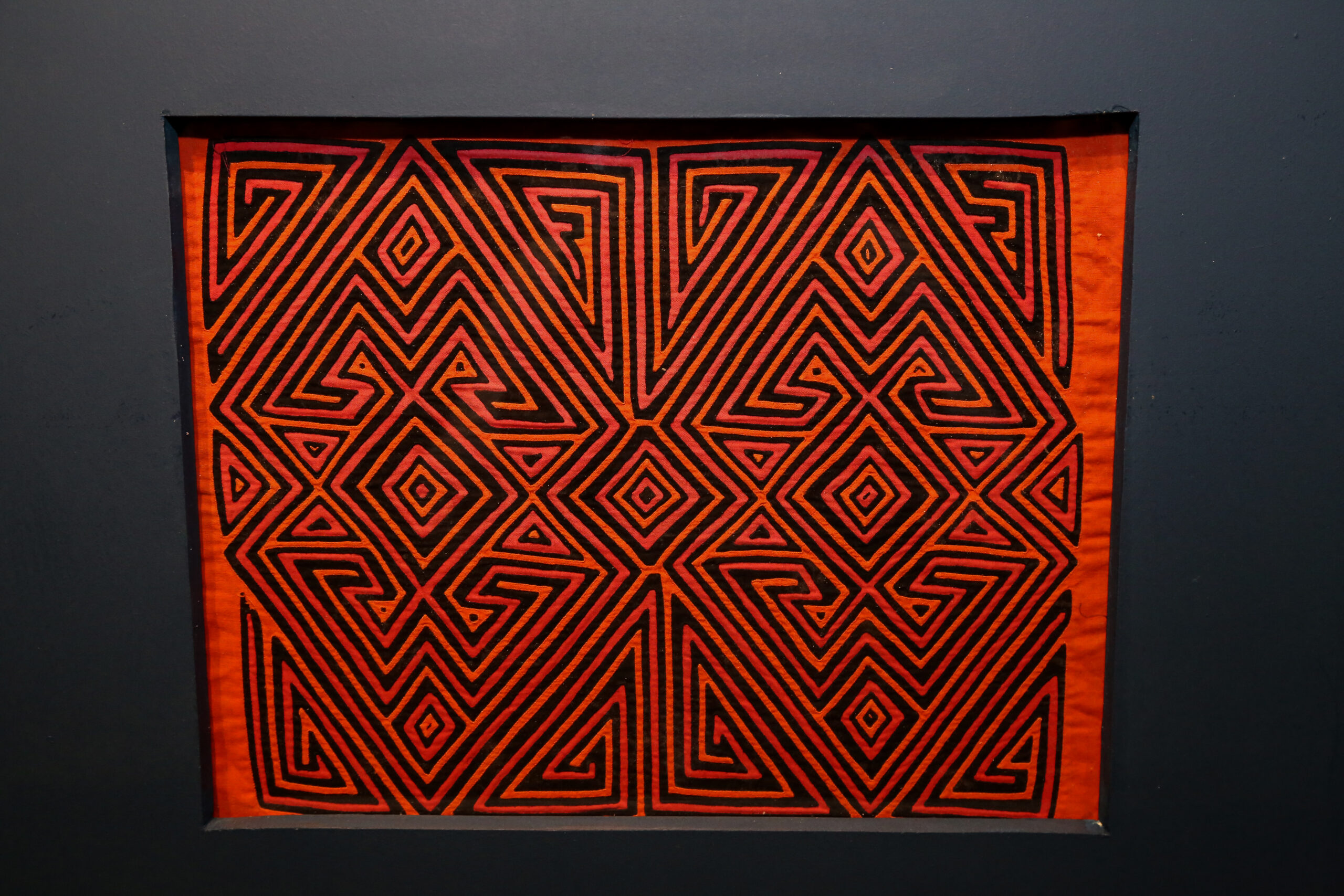
Las mujeres gunadules de Panamá diseñan las molas sobre diversas capas de telas con vistosos y variados colores, a través de las técnicas tradicionales de corte, aplicación y bordado, hasta lograr figuras y diseños geométricos con significados simbólicos de la cosmovisión gunadule. Muchos de estos significados están asociados al tipo de mola que una mujer luce según los retos que enfrente o su estado de ánimo frente a las celebraciones y logros.

Contienen dos o más capas de telas. Al ir cortando desde la capa superior, los diseños se van haciendo visibles con los colores de las telas inferiores, que luego coserán y bordarán desde los contornos. Algunas mujeres diseñan primero mediante el dibujo en la tela; las más expertas van diseñando a pulso a medida que cortan la tela. Algunos hombres de la comunidad hacen diseños y los entregan a las mujeres, o bien algunos también cosen.

Confeccionan otros tipos de molas con diseños figurativos de plantas y animales del entorno, mediante la combinación de técnicas del aplicado con la forma del elemento y bordado para detalles y pegado sobre el color de fondo. Esta técnica la combinan con una capa adicional de tela para los detalles decorativos del entorno.

Esta pieza artesanal identitaria que representa el espíritu de la madre tierra (plantas, animales, minerales y el mundo espiritual) es hoy una de las artesanías que logra el desarrollo sostenible y es sustento en la economía familiar. Son elaboradas no solo para lucirlas en la indumentaria, sino como objeto artesanal para cuadros, o bien aplicadas en diversos tipos de materiales decorativos y diseños de moda artesanal (corbatas, camisas, mantelería, etc.)

Este arte textil es empleado en la indumentaria  tradicional de las mujeres en cuatro territorios: las tres comarcas Guna Yala, Madungandi y Wargandi, y el territorio ancestral de Dagargunyala.

englishMola textiles

The Gunadul women of Panama design the «molas» on different layers of fabrics with colorful and varied colors, through traditional techniques of cutting, appliqué and embroidery, until they achieve geometric figures and designs with symbolic meanings of the worldview. Many of these meanings are associated with the type of «mola» a woman wears depending on the challenges her faces or her mood celebrations and achievements.

They contain two or more layers of fabric. By cutting from the top layer, the designs become visible with the colors of the lower fabrics, which are then sewn and embroidered from the outlines. Some women design first by drawing on the cloth. The most experienced women design by hand as they cut the cloth. Some men in the community make designs and give them to the women, or some also sew.

They make other types of «molas» with figurative designs of plants and animals of the environment, using a combination of appliqué techniques with the shape of the element and embroidery for details and gluing on the background color. This technique is combined with an additional layer of fabric for decorative details.

This handcrafted piece of identity that represents the spirit of Mother Earth (plants, animals, minerals and the spiritual world) is today one of the handcrafts that achieves sustainable development and sustains the family economy. They are made not only to be worn on clothing, but also as a handicraft object for paintings, or applied to various types of decorative materials and handcrafted fashion designs such as ties, shirts and table linen.

This textile art is used in the traditional clothing of women in four territories: the three regions of Guna Yala, Madungandi, Wargandi and the ancestral territory of Dagargunyala.

Valoraciones

No hay valoraciones aún.

Sé el primero en valorar “cool”

Tu dirección de correo electrónico no será publicada. Los campos obligatorios están marcados con *

Descripción

Las mujeres gunadules de Panamá diseñan las molas sobre diversas capas de telas con vistosos y variados colores, a través de las técnicas tradicionales de corte, aplicación y bordado, hasta lograr figuras y diseños geométricos con significados simbólicos de la cosmovisión gunadule. Muchos de estos significados están asociados al tipo de mola que una mujer luce según los retos que enfrente o su estado de ánimo frente a las celebraciones y logros.

Contienen dos o más capas de telas. Al ir cortando desde la capa superior, los diseños se van haciendo visibles con los colores de las telas inferiores, que luego coserán y bordarán desde los contornos. Algunas mujeres diseñan primero mediante el dibujo en la tela; las más expertas van diseñando a pulso a medida que cortan la tela. Algunos hombres de la comunidad hacen diseños y los entregan a las mujeres, o bien algunos también cosen.

Confeccionan otros tipos de molas con diseños figurativos de plantas y animales del entorno, mediante la combinación de técnicas del aplicado con la forma del elemento y bordado para detalles y pegado sobre el color de fondo. Esta técnica la combinan con una capa adicional de tela para los detalles decorativos del entorno.

Esta pieza artesanal identitaria que representa el espíritu de la madre tierra (plantas, animales, minerales y el mundo espiritual) es hoy una de las artesanías que logra el desarrollo sostenible y es sustento en la economía familiar. Son elaboradas no solo para lucirlas en la indumentaria, sino como objeto artesanal para cuadros, o bien aplicadas en diversos tipos de materiales decorativos y diseños de moda artesanal (corbatas, camisas, mantelería, etc.)

Este arte textil es empleado en la indumentaria  tradicional de las mujeres en cuatro territorios: las tres comarcas Guna Yala, Madungandi y Wargandi, y el territorio ancestral de Dagargunyala.

englishMola textiles

The Gunadul women of Panama design the «molas» on different layers of fabrics with colorful and varied colors, through traditional techniques of cutting, appliqué and embroidery, until they achieve geometric figures and designs with symbolic meanings of the worldview. Many of these meanings are associated with the type of «mola» a woman wears depending on the challenges her faces or her mood celebrations and achievements.

They contain two or more layers of fabric. By cutting from the top layer, the designs become visible with the colors of the lower fabrics, which are then sewn and embroidered from the outlines. Some women design first by drawing on the cloth. The most experienced women design by hand as they cut the cloth. Some men in the community make designs and give them to the women, or some also sew.

They make other types of «molas» with figurative designs of plants and animals of the environment, using a combination of appliqué techniques with the shape of the element and embroidery for details and gluing on the background color. This technique is combined with an additional layer of fabric for decorative details.

This handcrafted piece of identity that represents the spirit of Mother Earth (plants, animals, minerals and the spiritual world) is today one of the handcrafts that achieves sustainable development and sustains the family economy. They are made not only to be worn on clothing, but also as a handicraft object for paintings, or applied to various types of decorative materials and handcrafted fashion designs such as ties, shirts and table linen.

This textile art is used in the traditional clothing of women in four territories: the three regions of Guna Yala, Madungandi, Wargandi and the ancestral territory of Dagargunyala.

Valoraciones

No hay valoraciones aún.

Sé el primero en valorar “cool”

Tu dirección de correo electrónico no será publicada. Los campos obligatorios están marcados con *

Descripción

Las mujeres gunadules de Panamá diseñan las molas sobre diversas capas de telas con vistosos y variados colores, a través de las técnicas tradicionales de corte, aplicación y bordado, hasta lograr figuras y diseños geométricos con significados simbólicos de la cosmovisión gunadule. Muchos de estos significados están asociados al tipo de mola que una mujer luce según los retos que enfrente o su estado de ánimo frente a las celebraciones y logros.

Contienen dos o más capas de telas. Al ir cortando desde la capa superior, los diseños se van haciendo visibles con los colores de las telas inferiores, que luego coserán y bordarán desde los contornos. Algunas mujeres diseñan primero mediante el dibujo en la tela; las más expertas van diseñando a pulso a medida que cortan la tela. Algunos hombres de la comunidad hacen diseños y los entregan a las mujeres, o bien algunos también cosen.

Confeccionan otros tipos de molas con diseños figurativos de plantas y animales del entorno, mediante la combinación de técnicas del aplicado con la forma del elemento y bordado para detalles y pegado sobre el color de fondo. Esta técnica la combinan con una capa adicional de tela para los detalles decorativos del entorno.

Esta pieza artesanal identitaria que representa el espíritu de la madre tierra (plantas, animales, minerales y el mundo espiritual) es hoy una de las artesanías que logra el desarrollo sostenible y es sustento en la economía familiar. Son elaboradas no solo para lucirlas en la indumentaria, sino como objeto artesanal para cuadros, o bien aplicadas en diversos tipos de materiales decorativos y diseños de moda artesanal (corbatas, camisas, mantelería, etc.)

Este arte textil es empleado en la indumentaria  tradicional de las mujeres en cuatro territorios: las tres comarcas Guna Yala, Madungandi y Wargandi, y el territorio ancestral de Dagargunyala.

englishMola textiles

The Gunadul women of Panama design the «molas» on different layers of fabrics with colorful and varied colors, through traditional techniques of cutting, appliqué and embroidery, until they achieve geometric figures and designs with symbolic meanings of the worldview. Many of these meanings are associated with the type of «mola» a woman wears depending on the challenges her faces or her mood celebrations and achievements.

They contain two or more layers of fabric. By cutting from the top layer, the designs become visible with the colors of the lower fabrics, which are then sewn and embroidered from the outlines. Some women design first by drawing on the cloth. The most experienced women design by hand as they cut the cloth. Some men in the community make designs and give them to the women, or some also sew.

They make other types of «molas» with figurative designs of plants and animals of the environment, using a combination of appliqué techniques with the shape of the element and embroidery for details and gluing on the background color. This technique is combined with an additional layer of fabric for decorative details.

This handcrafted piece of identity that represents the spirit of Mother Earth (plants, animals, minerals and the spiritual world) is today one of the handcrafts that achieves sustainable development and sustains the family economy. They are made not only to be worn on clothing, but also as a handicraft object for paintings, or applied to various types of decorative materials and handcrafted fashion designs such as ties, shirts and table linen.

This textile art is used in the traditional clothing of women in four territories: the three regions of Guna Yala, Madungandi, Wargandi and the ancestral territory of Dagargunyala.

Valoraciones

No hay valoraciones aún.

Sé el primero en valorar “cool”

Tu dirección de correo electrónico no será publicada. Los campos obligatorios están marcados con *

Descripción

Las mujeres gunadules de Panamá diseñan las molas sobre diversas capas de telas con vistosos y variados colores, a través de las técnicas tradicionales de corte, aplicación y bordado, hasta lograr figuras y diseños geométricos con significados simbólicos de la cosmovisión gunadule. Muchos de estos significados están asociados al tipo de mola que una mujer luce según los retos que enfrente o su estado de ánimo frente a las celebraciones y logros.

Contienen dos o más capas de telas. Al ir cortando desde la capa superior, los diseños se van haciendo visibles con los colores de las telas inferiores, que luego coserán y bordarán desde los contornos. Algunas mujeres diseñan primero mediante el dibujo en la tela; las más expertas van diseñando a pulso a medida que cortan la tela. Algunos hombres de la comunidad hacen diseños y los entregan a las mujeres, o bien algunos también cosen.

Confeccionan otros tipos de molas con diseños figurativos de plantas y animales del entorno, mediante la combinación de técnicas del aplicado con la forma del elemento y bordado para detalles y pegado sobre el color de fondo. Esta técnica la combinan con una capa adicional de tela para los detalles decorativos del entorno.

Esta pieza artesanal identitaria que representa el espíritu de la madre tierra (plantas, animales, minerales y el mundo espiritual) es hoy una de las artesanías que logra el desarrollo sostenible y es sustento en la economía familiar. Son elaboradas no solo para lucirlas en la indumentaria, sino como objeto artesanal para cuadros, o bien aplicadas en diversos tipos de materiales decorativos y diseños de moda artesanal (corbatas, camisas, mantelería, etc.)

Este arte textil es empleado en la indumentaria  tradicional de las mujeres en cuatro territorios: las tres comarcas Guna Yala, Madungandi y Wargandi, y el territorio ancestral de Dagargunyala.

englishMola textiles

The Gunadul women of Panama design the «molas» on different layers of fabrics with colorful and varied colors, through traditional techniques of cutting, appliqué and embroidery, until they achieve geometric figures and designs with symbolic meanings of the worldview. Many of these meanings are associated with the type of «mola» a woman wears depending on the challenges her faces or her mood celebrations and achievements.

They contain two or more layers of fabric. By cutting from the top layer, the designs become visible with the colors of the lower fabrics, which are then sewn and embroidered from the outlines. Some women design first by drawing on the cloth. The most experienced women design by hand as they cut the cloth. Some men in the community make designs and give them to the women, or some also sew.

They make other types of «molas» with figurative designs of plants and animals of the environment, using a combination of appliqué techniques with the shape of the element and embroidery for details and gluing on the background color. This technique is combined with an additional layer of fabric for decorative details.

This handcrafted piece of identity that represents the spirit of Mother Earth (plants, animals, minerals and the spiritual world) is today one of the handcrafts that achieves sustainable development and sustains the family economy. They are made not only to be worn on clothing, but also as a handicraft object for paintings, or applied to various types of decorative materials and handcrafted fashion designs such as ties, shirts and table linen.

This textile art is used in the traditional clothing of women in four territories: the three regions of Guna Yala, Madungandi, Wargandi and the ancestral territory of Dagargunyala.

Valoraciones

No hay valoraciones aún.

Sé el primero en valorar “cool”

Tu dirección de correo electrónico no será publicada. Los campos obligatorios están marcados con *

Descripción

Las mujeres gunadules de Panamá diseñan las molas sobre diversas capas de telas con vistosos y variados colores, a través de las técnicas tradicionales de corte, aplicación y bordado, hasta lograr figuras y diseños geométricos con significados simbólicos de la cosmovisión gunadule. Muchos de estos significados están asociados al tipo de mola que una mujer luce según los retos que enfrente o su estado de ánimo frente a las celebraciones y logros.

Contienen dos o más capas de telas. Al ir cortando desde la capa superior, los diseños se van haciendo visibles con los colores de las telas inferiores, que luego coserán y bordarán desde los contornos. Algunas mujeres diseñan primero mediante el dibujo en la tela; las más expertas van diseñando a pulso a medida que cortan la tela. Algunos hombres de la comunidad hacen diseños y los entregan a las mujeres, o bien algunos también cosen.

Confeccionan otros tipos de molas con diseños figurativos de plantas y animales del entorno, mediante la combinación de técnicas del aplicado con la forma del elemento y bordado para detalles y pegado sobre el color de fondo. Esta técnica la combinan con una capa adicional de tela para los detalles decorativos del entorno.

Esta pieza artesanal identitaria que representa el espíritu de la madre tierra (plantas, animales, minerales y el mundo espiritual) es hoy una de las artesanías que logra el desarrollo sostenible y es sustento en la economía familiar. Son elaboradas no solo para lucirlas en la indumentaria, sino como objeto artesanal para cuadros, o bien aplicadas en diversos tipos de materiales decorativos y diseños de moda artesanal (corbatas, camisas, mantelería, etc.)

Este arte textil es empleado en la indumentaria  tradicional de las mujeres en cuatro territorios: las tres comarcas Guna Yala, Madungandi y Wargandi, y el territorio ancestral de Dagargunyala.

englishMola textiles

The Gunadul women of Panama design the «molas» on different layers of fabrics with colorful and varied colors, through traditional techniques of cutting, appliqué and embroidery, until they achieve geometric figures and designs with symbolic meanings of the worldview. Many of these meanings are associated with the type of «mola» a woman wears depending on the challenges her faces or her mood celebrations and achievements.

They contain two or more layers of fabric. By cutting from the top layer, the designs become visible with the colors of the lower fabrics, which are then sewn and embroidered from the outlines. Some women design first by drawing on the cloth. The most experienced women design by hand as they cut the cloth. Some men in the community make designs and give them to the women, or some also sew.

They make other types of «molas» with figurative designs of plants and animals of the environment, using a combination of appliqué techniques with the shape of the element and embroidery for details and gluing on the background color. This technique is combined with an additional layer of fabric for decorative details.

This handcrafted piece of identity that represents the spirit of Mother Earth (plants, animals, minerals and the spiritual world) is today one of the handcrafts that achieves sustainable development and sustains the family economy. They are made not only to be worn on clothing, but also as a handicraft object for paintings, or applied to various types of decorative materials and handcrafted fashion designs such as ties, shirts and table linen.

This textile art is used in the traditional clothing of women in four territories: the three regions of Guna Yala, Madungandi, Wargandi and the ancestral territory of Dagargunyala.

Valoraciones

No hay valoraciones aún.

Sé el primero en valorar “cool”

Tu dirección de correo electrónico no será publicada. Los campos obligatorios están marcados con *

Descripción

Las mujeres gunadules de Panamá diseñan las molas sobre diversas capas de telas con vistosos y variados colores, a través de las técnicas tradicionales de corte, aplicación y bordado, hasta lograr figuras y diseños geométricos con significados simbólicos de la cosmovisión gunadule. Muchos de estos significados están asociados al tipo de mola que una mujer luce según los retos que enfrente o su estado de ánimo frente a las celebraciones y logros.

Contienen dos o más capas de telas. Al ir cortando desde la capa superior, los diseños se van haciendo visibles con los colores de las telas inferiores, que luego coserán y bordarán desde los contornos. Algunas mujeres diseñan primero mediante el dibujo en la tela; las más expertas van diseñando a pulso a medida que cortan la tela. Algunos hombres de la comunidad hacen diseños y los entregan a las mujeres, o bien algunos también cosen.

Confeccionan otros tipos de molas con diseños figurativos de plantas y animales del entorno, mediante la combinación de técnicas del aplicado con la forma del elemento y bordado para detalles y pegado sobre el color de fondo. Esta técnica la combinan con una capa adicional de tela para los detalles decorativos del entorno.

Esta pieza artesanal identitaria que representa el espíritu de la madre tierra (plantas, animales, minerales y el mundo espiritual) es hoy una de las artesanías que logra el desarrollo sostenible y es sustento en la economía familiar. Son elaboradas no solo para lucirlas en la indumentaria, sino como objeto artesanal para cuadros, o bien aplicadas en diversos tipos de materiales decorativos y diseños de moda artesanal (corbatas, camisas, mantelería, etc.)

Este arte textil es empleado en la indumentaria  tradicional de las mujeres en cuatro territorios: las tres comarcas Guna Yala, Madungandi y Wargandi, y el territorio ancestral de Dagargunyala.

englishMola textiles

The Gunadul women of Panama design the «molas» on different layers of fabrics with colorful and varied colors, through traditional techniques of cutting, appliqué and embroidery, until they achieve geometric figures and designs with symbolic meanings of the worldview. Many of these meanings are associated with the type of «mola» a woman wears depending on the challenges her faces or her mood celebrations and achievements.

They contain two or more layers of fabric. By cutting from the top layer, the designs become visible with the colors of the lower fabrics, which are then sewn and embroidered from the outlines. Some women design first by drawing on the cloth. The most experienced women design by hand as they cut the cloth. Some men in the community make designs and give them to the women, or some also sew.

They make other types of «molas» with figurative designs of plants and animals of the environment, using a combination of appliqué techniques with the shape of the element and embroidery for details and gluing on the background color. This technique is combined with an additional layer of fabric for decorative details.

This handcrafted piece of identity that represents the spirit of Mother Earth (plants, animals, minerals and the spiritual world) is today one of the handcrafts that achieves sustainable development and sustains the family economy. They are made not only to be worn on clothing, but also as a handicraft object for paintings, or applied to various types of decorative materials and handcrafted fashion designs such as ties, shirts and table linen.

This textile art is used in the traditional clothing of women in four territories: the three regions of Guna Yala, Madungandi, Wargandi and the ancestral territory of Dagargunyala.

Valoraciones

No hay valoraciones aún.

Sé el primero en valorar “cool”

Tu dirección de correo electrónico no será publicada. Los campos obligatorios están marcados con *

Descripción

The Gunadule women of Panama design the molas on various layers of fabric with bright and varied colors, through traditional cutting, application and embroidery techniques, until they achieve geometric figures and designs with symbolic meanings of the Gunadule worldview. Many of these meanings are associated with the type of mola that a woman wears depending on the challenges she faces or her state of mind regarding celebrations and achievements.

They contain two or more layers of fabrics. As you cut from the upper layer, the designs become visible with the colors of the lower fabrics, which will then be sewn and embroidered from the contours. Some women design first by drawing on the fabric; The most expert ones design by hand as they cut the fabric. Some men in the community make designs and give them to the women, or some also sew.

They make other types of molas with figurative designs of plants and animals from the environment, by combining appliqué techniques with the shape of the element and embroidery for details and gluing on the background color. They combine this technique with an additional layer of fabric for decorative details of the environment.

This identifying artisanal piece that represents the spirit of Mother Earth (plants, animals, minerals and the spiritual world) is today one of the crafts that achieves sustainable development and supports the family economy. They are made not only to be worn on clothing, but also as a handmade object for paintings, or applied to various types of decorative materials and handmade fashion designs (ties, shirts, table linens, etc.)

This textile art is used in traditional women's clothing in four territories: the three regions Guna Yala, Madungandi and Wargandi, and the ancestral territory of Dagargunyala.

english

Mola textiles The Gunadul women of Panama design the "molas" on different layers of fabrics with colorful and varied colors, through traditional techniques of cutting, appliqué and embroidery, until they achieve geometric and figures designs with symbolic meanings of the worldview. Many of these meanings are associated with the type of "mola" a woman wears depending on the challenges her faces or her mood celebrations and achievements.

They contain two or more layers of fabric. By cutting from the top layer, the designs become visible with the colors of the lower fabrics, which are then sewn and embroidered from the outlines. Some women design first by drawing on the cloth. The most experienced women design by hand as they cut the cloth. Some men in the community make designs and give them to the women, or some also sew.

They make other types of "molas" with figurative designs of plants and animals of the environment, using a combination of appliqué techniques with the shape of the element and embroidery for details and gluing on the background color. This technique is combined with an additional layer of fabric for decorative details.

This handcrafted piece of identity that represents the spirit of Mother Earth (plants, animals, minerals and the spiritual world) is today one of the handcrafts that achieves sustainable development and sustains the family economy. They are made not only to be worn on clothing, but also as a handicraft object for paintings, or applied to various types of decorative materials and handcrafted fashion designs such as ties, shirts and table linen.

This textile art is used in the traditional clothing of women in four territories: the three regions of Guna Yala, Madungandi, Wargandi and the ancestral territory of Dagargunyala.

Valoraciones

No hay valoraciones aún.

Sé el primero en valorar “cool”

Tu dirección de correo electrónico no será publicada. Los campos obligatorios están marcados con *

Descripción

Las mujeres gunadules de Panamá diseñan las molas sobre diversas capas de telas con vistosos y variados colores, a través de las técnicas tradicionales de corte, aplicación y bordado, hasta lograr figuras y diseños geométricos con significados simbólicos de la cosmovisión gunadule. Muchos de estos significados están asociados al tipo de mola que una mujer luce según los retos que enfrente o su estado de ánimo frente a las celebraciones y logros.

Contienen dos o más capas de telas. Al ir cortando desde la capa superior, los diseños se van haciendo visibles con los colores de las telas inferiores, que luego coserán y bordarán desde los contornos. Algunas mujeres diseñan primero mediante el dibujo en la tela; las más expertas van diseñando a pulso a medida que cortan la tela. Algunos hombres de la comunidad hacen diseños y los entregan a las mujeres, o bien algunos también cosen.

Confeccionan otros tipos de molas con diseños figurativos de plantas y animales del entorno, mediante la combinación de técnicas del aplicado con la forma del elemento y bordado para detalles y pegado sobre el color de fondo. Esta técnica la combinan con una capa adicional de tela para los detalles decorativos del entorno.

Esta pieza artesanal identitaria que representa el espíritu de la madre tierra (plantas, animales, minerales y el mundo espiritual) es hoy una de las artesanías que logra el desarrollo sostenible y es sustento en la economía familiar. Son elaboradas no solo para lucirlas en la indumentaria, sino como objeto artesanal para cuadros, o bien aplicadas en diversos tipos de materiales decorativos y diseños de moda artesanal (corbatas, camisas, mantelería, etc.)

Este arte textil es empleado en la indumentaria  tradicional de las mujeres en cuatro territorios: las tres comarcas Guna Yala, Madungandi y Wargandi, y el territorio ancestral de Dagargunyala.

english

Mola textiles

The Gunadul women of Panama design the «molas» on different layers of fabrics with colourful and varied colours, through traditional techniques of cutting, appliqué and embroidery, until they achieve geometric figures and designs with symbolic meanings of the worldview. Many of these meanings are associated with the type of «mola» a woman wears depending on the challenges she faces or her mood regarding celebrations and achievements.

They contain two or more layers of fabric. By cutting from the top layer, the designs become visible with the colours of the lower fabrics, which are then sewn and embroidered from the outlines. Some women design first by drawing on the cloth. The more experienced women design by hand as they cut the cloth. Some men in the community make designs and give them to the women, or some also sew.

They make other types of «molas» with figurative designs of plants and animals of the environment, using a combination of appliqué techniques with the shape of the element and embroidery for details and gluing on the background colour. This technique is combined with an additional layer of fabric for decorative details.

This handcrafted piece of identity that represents the spirit of Mother Earth (plants, animals, minerals and the spiritual world) is today one of the handcrafts that achieves sustainable development and sustains the family economy. They are made not only to be worn on clothing, but also as a handicraft object for paintings, or applied to various types of decorative materials and handcrafted fashion designs such as ties, shirts and table linen.

This textile art is used in the traditional clothing of women in four territories: the three comarcas of Guna Yala, Madungandi, Wargandi and the ancestral territory of Dagargunyala.

Valoraciones

No hay valoraciones aún.

Sé el primero en valorar “Mola”

Tu dirección de correo electrónico no será publicada. Los campos obligatorios están marcados con *