
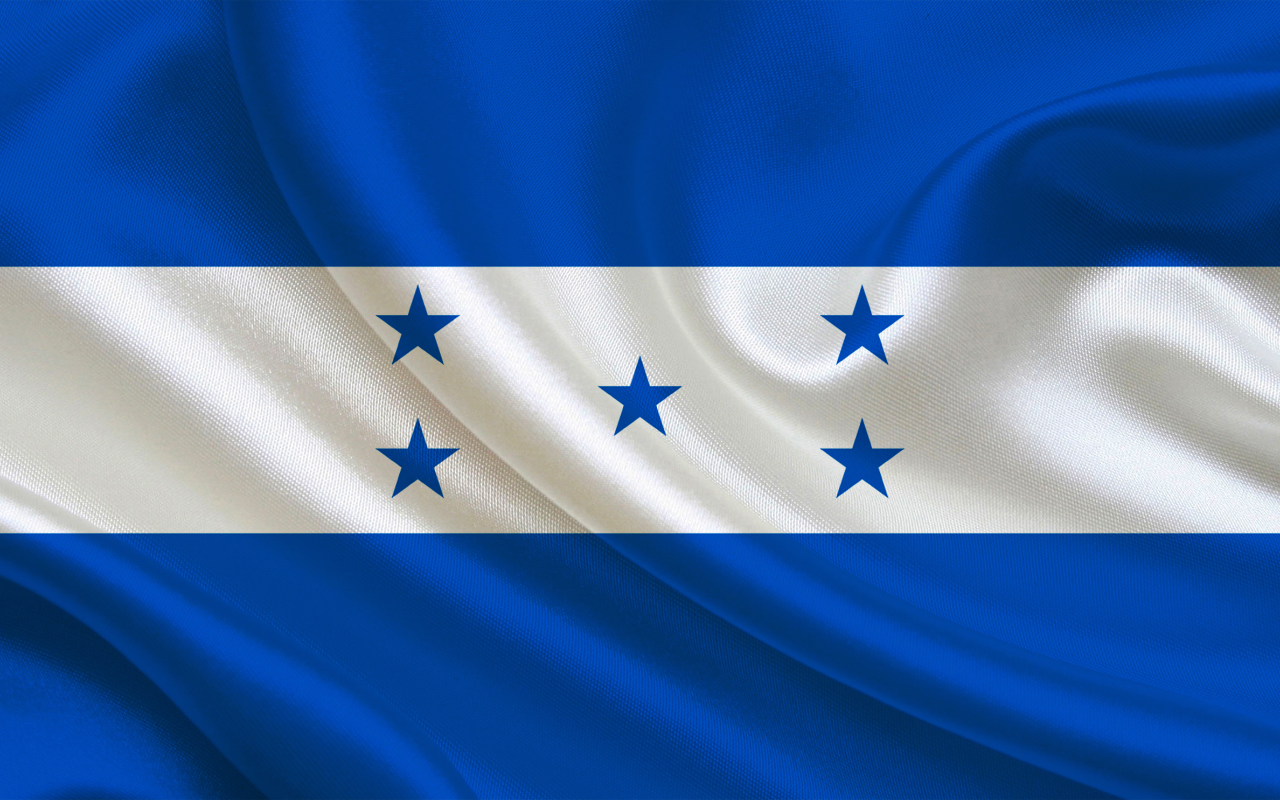
The crafts of Honduras are a rich mix of indigenous Lenca, Mayan and Spanish colonial influences, showing the country’s deep cultural heritage and its connection with its natural environment. One of the most notable crafts is Lenca pottery, handmade using traditional techniques passed down from generation to generation in rural communities. These ceramics, often decorated with geometric patterns and natural pigments, are both functional and decorative, reflecting ancient practices. Textiles also play a key role, particularly in regions like Intibucá, where artisans weave colorful blankets, shawls and clothing using traditional looms. The town of Valle de Ángeles is famous for its wood carving, where artisans create intricate sculptures, masks and furniture, often depicting animals and local folklore. In addition, basketry and hammocks made with natural fibers such as reed and henequen are common throughout the country. The crafts of Honduras are not only a preservation of its ancestral traditions, but also provide essential livelihoods for local artisans, ensuring that these techniques endure for future generations.

The peasant population of the Lenca tradition covers the western, southern and central areas of Honduras, a region that is part of the Mesoamerican Area and as such is a corn crop. The concentration of the population facilitated the installation of the main Spanish colonial centers in this region, which led to a rapid (Read More)

The Department of Santa Bárbara in northwest Honduras is famous for the quality and variety of products made from plant fibers. The production of hats, handbags, baskets, mats, cribs, kitchen containers, tablecloths, hammocks and hemp balls stands out. Women use the royal palm and the cane (considered (Read More)

Carved wooden trunks are part of the craftsmanship that is developed in the community of Valle de Ángeles near the city of Tegucigalpa, in a mountainous area. The historical origins of the community are related to mining activity in the 19th century, being part of the parish of Santa Lucía and administratively (Read More)

In the 80s of the 20th century, a type of craft linked to the use of “tusa” (corn husk) was introduced in the south of Honduras with which dolls with different outfits, Christmas decorations, flowers, scenes of the birth of Jesus, bells, trees and crowns. This craft has spread to the town of La Pintada, a town (Read More)

Saddlery is an occupation of colonial origin that has not lost relevance in the national market in part due to the socioeconomic characteristics of the country, particularly linked to field work, agriculture and livestock. During the colonial period, demand was linked to mining, which required (Read More)

Pottery in Honduras is very common, it is energetic in the town as an art and for its use since it is a tradition coming from indigenous Lenca knowledge, which unfortunately although the language has disappeared, its material and cosmogonic culture is still very much alive. In the town of Balibrea, municipality of Siguatepeque, (Read More)

Pottery has a long tradition and has its origins in pre-Hispanic Mesoamerican cultures, including the Mayans, Aztecs, Incas and others. They are generally made for decorative and ritual purposes, although they are also utilitarian, such as fruit bowls, vases, incense burners and some are used to preserve (Read More)

The art of soft weaving on this continent has been prevalent among all Aboriginal peoples and is used for useful and venerable items, including stone carvings and the construction of large monuments. The nature of Abya Yala, (this continent), has been prodigal in producing trees, bushes, vines, lianas and (Read More)

Tunu is a word from the Miskito language. They live in the jungles and Caribbean coasts of Mosquitia, Honduras. The same material has different names. It is used by different indigenous peoples of Central-South America who still preserve jungles in their living spaces. In the Pesh language, ué, in a region, tikimi’h (Read More)

The Wood carvings are only produced in the town of Valle de Ángeles, in the department of Francisco Morazán, 25 kilometers from the capital. The chests are of various sizes, from miniatures to chests, carved doors, bars, living room or kitchen furniture, and bed backs, as well as tables of various sizes, with landscapes. The drawings, according to (Read More)