
Wool Products

En el siglo XVI se introducen en Argentina los primeros ovinos. En la actualidad el país es uno de los grandes productores laneros a nivel mundial; posee también certificación de lana orgánica. En el país se encuentran toda clase de razas, desde la fina Merino criolla y la popular Corriedale hasta las más gruesas Lincoln […]

Descripción

En el siglo XVI se introducen en Argentina los primeros ovinos. En la actualidad el país es uno de los grandes productores laneros a nivel mundial; posee también certificación de lana orgánica.

En el país se encuentran toda clase de razas, desde la fina Merino criolla y la popular Corriedale hasta las más gruesas Lincoln y Criolla. Si bien se crían ovejas en todo el territorio, el 70% se encuentra en la Patagonia.

A nivel artesanal existe una amplia producción que incluye las más variadas técnicas y objetos para la vestimenta y el hogar. El hilado se realiza con huso, rueca manual o eléctrica, según la zona. En cuanto al tejido, los de faz de trama se producen en telar criollo y los de faz de urdimbre en el telar andino de cintura y, particularmente en el sur, en witral, vertical loom of the Mapuche culture made up of four sticks.

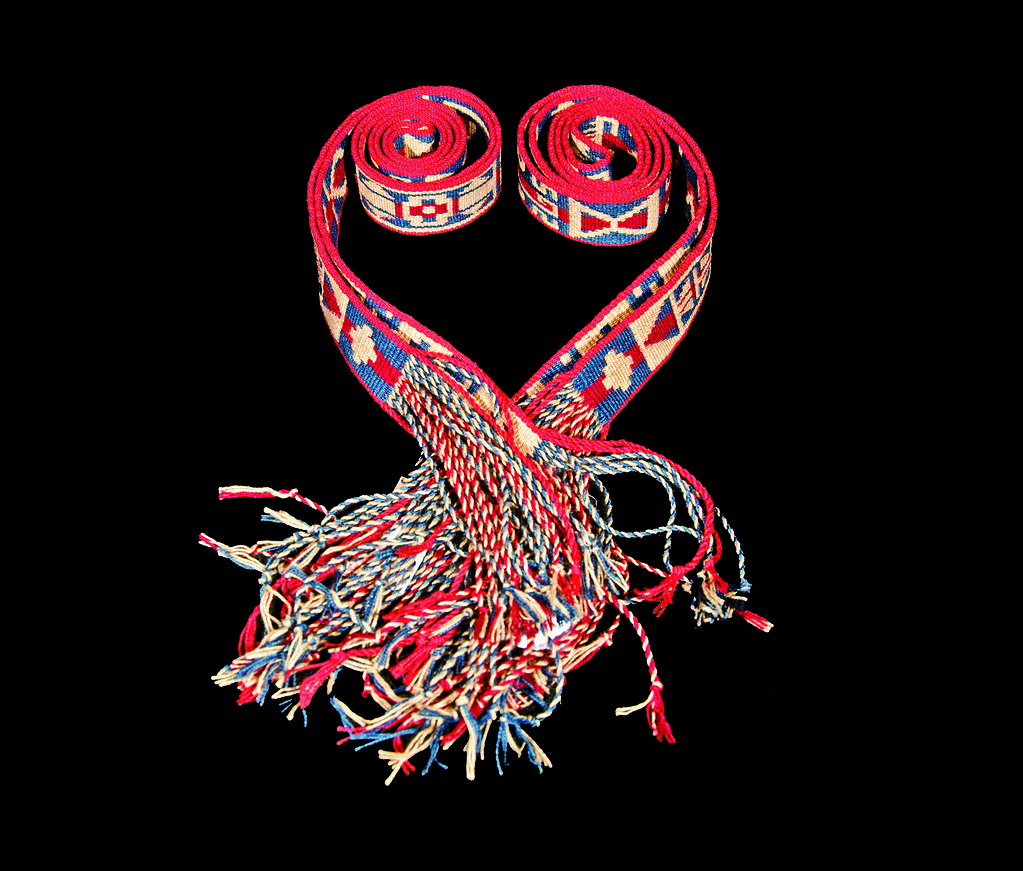
The Mapuche textile tradition remains current in blankets, ponchos, sashes and rugs with abstract geometric motifs that reflect its symbolic heritage.

In other areas of the country, pre-Hispanic traditions are combined with Spanish ones in the production of knotted, woven (loop or snail) or embroidered rugs, with designs of multicolored stripes, geometric elements or flowers.

In rural areas, fabrics for horse tack appear: peleros, matras, caronillas, cojinillos.

In some craft cooperatives, home productions or design micro-enterprises, two-needle or crochet weaving is added to loom production for garments and accessories, as well as felt.

The great affinity of wool with dyes and the variety of dyeing species available in the territory facilitate the wide use of natural dyes.

In addition to production in cooperatives, artisan associations and family units, there are alliances with designers or business ventures that market products in urban areas.

Traditional wool fabrics, such as barracanes and picotes, are reinterpreted and incorporated into contemporary clothing.

english

Woolen productsThe first sheep were introduced in Argentina in the 16th century. Today the country is one of the world’s leading wool producers, and it also produces certified organic lambswool.

A variety of breeds can be found in the country, from the fine Merino Criolla and the popular Corriedale, to the coarser Longwood Lincoln and Criolla breeds. Although sheep are raised nationwide, 70% are found in Patagonia.

In terms of handicrafts, a diverse production relies on the most varied techniques and objects for crafting clothing and household items. Spinning is accomplished using a spindle, a manual, or an electric spinning wheel, depending on the region. Concerning weaving, various tools include the creole loom, employed for weft-face weaving; the Andean backstrap loom, used for warp-face weaving; and, particularly in the south, thewitral, a vertical loom made up of four poles, is used for weaving in the Mapuche culture.

The Mapuche textile tradition is kept alive in blankets, ponchos, sashes, and rugs with abstract geometric motifs that reflect their symbolic heritage.

In other parts of the country, pre-Hispanic and Spanish traditions are combined in the production of knotted, woven (loop or snail), or embroidered rugs, with multicolored striped designs, geometric elements or flowers.

In rural areas, weavings for horse tack, such as horse blankets, saddle blankets, and saddlecloths, appear with traditional motifs.

In some handicraft cooperatives, home productions or design micro-enterprises, two-needle or crochet weaving, and felting are added to looms for the production of garments and accessories.

The excellent affinity of lambswool with dyes, along with the variety of dye species available in the country, facilitate the wide use of natural dyes.

In addition to production in cooperatives, craft associations, and family groups, alliances are formed with designers and business ventures, and products are marketed in urban areas.

Traditional woolen fabrics, such asbarracks(striped woolen fabrics) andpecks(twill weave fabric), are reinterpreted and incorporated into contemporary clothing.

Valoraciones

No hay valoraciones aún.

Sé el primero en valorar “Wool Products”

Tu dirección de correo electrónico no será publicada. Los campos obligatorios están marcados con *

Descripción

En el siglo XVI se introducen en Argentina los primeros ovinos. En la actualidad el país es uno de los grandes productores laneros a nivel mundial; posee también certificación de lana orgánica.

En el país se encuentran toda clase de razas, desde la fina Merino criolla y la popular Corriedale hasta las más gruesas Lincoln y Criolla. Si bien se crían ovejas en todo el territorio, el 70% se encuentra en la Patagonia.

A nivel artesanal existe una amplia producción que incluye las más variadas técnicas y objetos para la vestimenta y el hogar. El hilado se realiza con huso, rueca manual o eléctrica, según la zona. En cuanto al tejido, los de faz de trama se producen en telar criollo y los de faz de urdimbre en el telar andino de cintura y, particularmente en el sur, en witral, vertical loom of the Mapuche culture made up of four sticks.

The Mapuche textile tradition remains current in blankets, ponchos, sashes and rugs with abstract geometric motifs that reflect its symbolic heritage.

In other areas of the country, pre-Hispanic traditions are combined with Spanish ones in the production of knotted, woven (loop or snail) or embroidered rugs, with designs of multicolored stripes, geometric elements or flowers.

In rural areas, fabrics for horse tack appear: peleros, matras, caronillas, cojinillos.

In some craft cooperatives, home productions or design micro-enterprises, two-needle or crochet weaving is added to loom production for garments and accessories, as well as felt.

The great affinity of wool with dyes and the variety of dyeing species available in the territory facilitate the wide use of natural dyes.

In addition to production in cooperatives, artisan associations and family units, there are alliances with designers or business ventures that market products in urban areas.

Traditional wool fabrics, such as barracanes and picotes, are reinterpreted and incorporated into contemporary clothing.

english

Woolen productsThe first sheep were introduced in Argentina in the 16th century. Today the country is one of the world’s leading wool producers, and it also produces certified organic lambswool.

A variety of breeds can be found in the country, from the fine Merino Criolla and the popular Corriedale, to the coarser Longwood Lincoln and Criolla breeds. Although sheep are raised nationwide, 70% are found in Patagonia.

In terms of handicrafts, a diverse production relies on the most varied techniques and objects for crafting clothing and household items. Spinning is accomplished using a spindle, a manual, or an electric spinning wheel, depending on the region. Concerning weaving, various tools include the creole loom, employed for weft-face weaving; the Andean backstrap loom, used for warp-face weaving; and, particularly in the south, thewitral, a vertical loom made up of four poles, is used for weaving in the Mapuche culture.

The Mapuche textile tradition is kept alive in blankets, ponchos, sashes, and rugs with abstract geometric motifs that reflect their symbolic heritage.

In other parts of the country, pre-Hispanic and Spanish traditions are combined in the production of knotted, woven (loop or snail), or embroidered rugs, with multicolored striped designs, geometric elements or flowers.

In rural areas, weavings for horse tack, such as horse blankets, saddle blankets, and saddlecloths, appear with traditional motifs.

In some handicraft cooperatives, home productions or design micro-enterprises, two-needle or crochet weaving, and felting are added to looms for the production of garments and accessories.

The excellent affinity of lambswool with dyes, along with the variety of dye species available in the country, facilitate the wide use of natural dyes.

In addition to production in cooperatives, craft associations, and family groups, alliances are formed with designers and business ventures, and products are marketed in urban areas.

Traditional woolen fabrics, such asbarracks(striped woolen fabrics) andpecks(twill weave fabric), are reinterpreted and incorporated into contemporary clothing.

Valoraciones

No hay valoraciones aún.

Sé el primero en valorar “Wool Products”

Tu dirección de correo electrónico no será publicada. Los campos obligatorios están marcados con *

Descripción

In the 16th century, the first sheep were introduced to Argentina. Currently the country is one of the largest wool producers worldwide; It also has organic wool certification.

All kinds of breeds are found in the country, from the fine Creole Merino and the popular Corriedale to the thicker Lincoln and Criolla. Although sheep are raised throughout the territory, 70% are found in Patagonia.

At the artisanal level there is a wide production that includes the most varied techniques and objects for clothing and the home. Spinning is done with a spindle, manual or electric spinning wheel, depending on the area. As for weaving, those with a weft face are produced on a Creole loom and those with a warp face on the Andean backstrap loom and, particularly in the south, on a witral, a vertical loom of the Mapuche culture made up of four sticks.

The Mapuche textile tradition remains current in blankets, ponchos, sashes and rugs with abstract geometric motifs that reflect its symbolic heritage.

In other areas of the country, pre-Hispanic traditions are combined with Spanish ones in the production of knotted, woven (loop or snail) or embroidered rugs, with designs of multicolored stripes, geometric elements or flowers.

In rural areas, fabrics for horse tack appear: peleros, matras, caronillas, cojinillos.

In some craft cooperatives, home productions or design micro-enterprises, two-needle or crochet weaving is added to loom production for garments and accessories, as well as felt.

The great affinity of wool with dyes and the variety of dyeing species available in the territory facilitate the wide use of natural dyes.

In addition to production in cooperatives, artisan associations and family units, there are alliances with designers or business ventures that market products in urban areas.

Traditional wool fabrics, such as barracanes and picotes, are reinterpreted and incorporated into contemporary clothing.

englishWoolen products

The first sheep were introduced in Argentina in the 16th century. Today the country is one of the world's leading wool producers, and it also produces certified organic lambswool.

A variety of breeds can be found in the country, from the fine Merino Criolla and the popular Corriedale, to the coarser Longwood Lincoln and Criolla breeds. Although sheep are raised nationwide, 70% are found in Patagonia.

In terms of handicrafts, a diverse production relies on the most varied techniques and objects for crafting clothing and household items. Spinning is accomplished using a spindle, a manual, or an electric spinning wheel, depending on the region. Concerning weaving, various tools include the creole loom, employed for weft-face weaving; the Andean backstrap loom, used for warp-face weaving; and, particularly in the south, the witral, a vertical loom made up of four poles, is used for weaving in the Mapuche culture.

The Mapuche textile tradition is kept alive in blankets, ponchos, sashes, and rugs with abstract geometric motifs that reflect their symbolic heritage.

In other parts of the country, pre-Hispanic and Spanish traditions are combined in the production of knotted, woven (loop or snail), or embroidered rugs, with multicolored striped designs, geometric elements or flowers.

In rural areas, weavings for horse tack, such as horse blankets, saddle blankets, and saddlecloths, appear with traditional motifs.

In some handicraft cooperatives, home productions or design micro-enterprises, two-needle or crochet weaving, and felting are added to looms for the production of garments and accessories.

The excellent affinity of lambswool with dyes, along with the variety of dye species available in the country, facilitate the wide use of natural dyes.

In addition to production in cooperatives, craft associations, and family groups, alliances are formed with designers and business ventures, and products are marketed in urban areas.

Traditional woolen fabrics, such as barracanes (striped woolen fabrics) and picotes (twill weave fabric), are reinterpreted and incorporated into contemporary clothing.

Valoraciones

No hay valoraciones aún.

Sé el primero en valorar “Wool Products”

Tu dirección de correo electrónico no será publicada. Los campos obligatorios están marcados con *

Descripción

En el siglo XVI se introducen en Argentina los primeros ovinos. En la actualidad el país es uno de los grandes productores laneros a nivel mundial; posee también certificación de lana orgánica.

En el país se encuentran toda clase de razas, desde la fina Merino criolla y la popular Corriedale hasta las más gruesas Lincoln y Criolla. Si bien se crían ovejas en todo el territorio, el 70% se encuentra en la Patagonia.

A nivel artesanal existe una amplia producción que incluye las más variadas técnicas y objetos para la vestimenta y el hogar. El hilado se realiza con huso, rueca manual o eléctrica, según la zona. En cuanto al tejido, los de faz de trama se producen en telar criollo y los de faz de urdimbre en el telar andino de cintura y, particularmente en el sur, en witral, telar vertical de la cultura mapuche constituido por cuatro palos.

La tradición textil mapuche se mantiene vigente en mantas, ponchos, fajas y alfombras con motivos geométricos abstractos que dan cuenta de su acervo simbólico.

En otras zonas del país se aúnan las tradiciones prehispánicas con las españolas en la elaboración de alfombras de nudo, tejidas (de bucle o caracolillo) o bordadas, con diseños de rayas multicolores, elementos geométricos o flores.

En las áreas rurales aparecen los tejidos para el apero de los caballos: peleros, matras, caronillas, cojinillos.

En algunas cooperativas artesanales, producciones hogareñas o microemprendimientos de diseño, a la producción en telar se suman el tejido a dos agujas o a crochet para las prendas y accesorios, así como el fieltro.

La gran afinidad de la lana con los tintes y la variedad de especies tintóreas disponibles en el territorio facilitan la amplia utilización de colorantes naturales.

Además de la producción en cooperativas, asociaciones artesanales y núcleos familiares existen alianzas con diseñadores o emprendimientos de negocios que comercializan los productos en áreas urbanas.

Tejidos tradicionales de lana, como los barracanes y picotes, se reinterpretan e incorporan a la indumentaria contemporánea.

english

Woolen products

The first sheep were introduced in Argentina in the 16th century. Today the country is one of the world’s leading wool producers, and it also produces certified organic lambswool.

A variety of breeds can be found in the country, from the fine Merino Criolla and the popular Corriedale, to the coarser Longwood Lincoln and Criolla breeds. Although sheep are raised nationwide, 70% are found in Patagonia.

In terms of handicrafts, a diverse production relies on the most varied techniques and objects for crafting clothing and household items. Spinning is accomplished using a spindle, a manual, or an electric spinning wheel, depending on the region. Concerning weaving, various tools include the creole loom, employed for weft-face weaving; the Andean backstrap loom, utilized for warp-face weaving; and, particularly in the south, the witral, a vertical loom made up of four poles, is used for weaving in the Mapuche culture.

The Mapuche textile tradition is kept alive in blankets, ponchos, sashes, and rugs with abstract geometric motifs that reflect their symbolic heritage.

In other parts of the country, pre-Hispanic and Spanish traditions are combined in the production of knotted, woven (loop or snail), or embroidered rugs, with multicoloured striped designs, geometric elements or flowers.

In rural areas, weavings for horse tack, such as horse blankets, saddle blankets, and saddlecloths, appear with traditional motifs.

In some handicraft cooperatives, home productions or design micro-enterprises, two-needle or crochet weaving, and felting are added to looms for the production of garments and accessories.

The excellent affinity of lambswool with dyes, along with the variety of dye species available in the country, facilitate the wide use of natural dyes.

In addition to production in cooperatives, craft associations, and family groups, alliances are formed with designers and business ventures, and products are marketed in urban areas.

Traditional woollen fabrics, such as barracanes (striped woollen fabrics) and picotes (twill weave fabric), are reinterpreted and incorporated into contemporary clothing.

Valoraciones

No hay valoraciones aún.

Sé el primero en valorar “Productos de Lana”

Tu dirección de correo electrónico no será publicada. Los campos obligatorios están marcados con *