
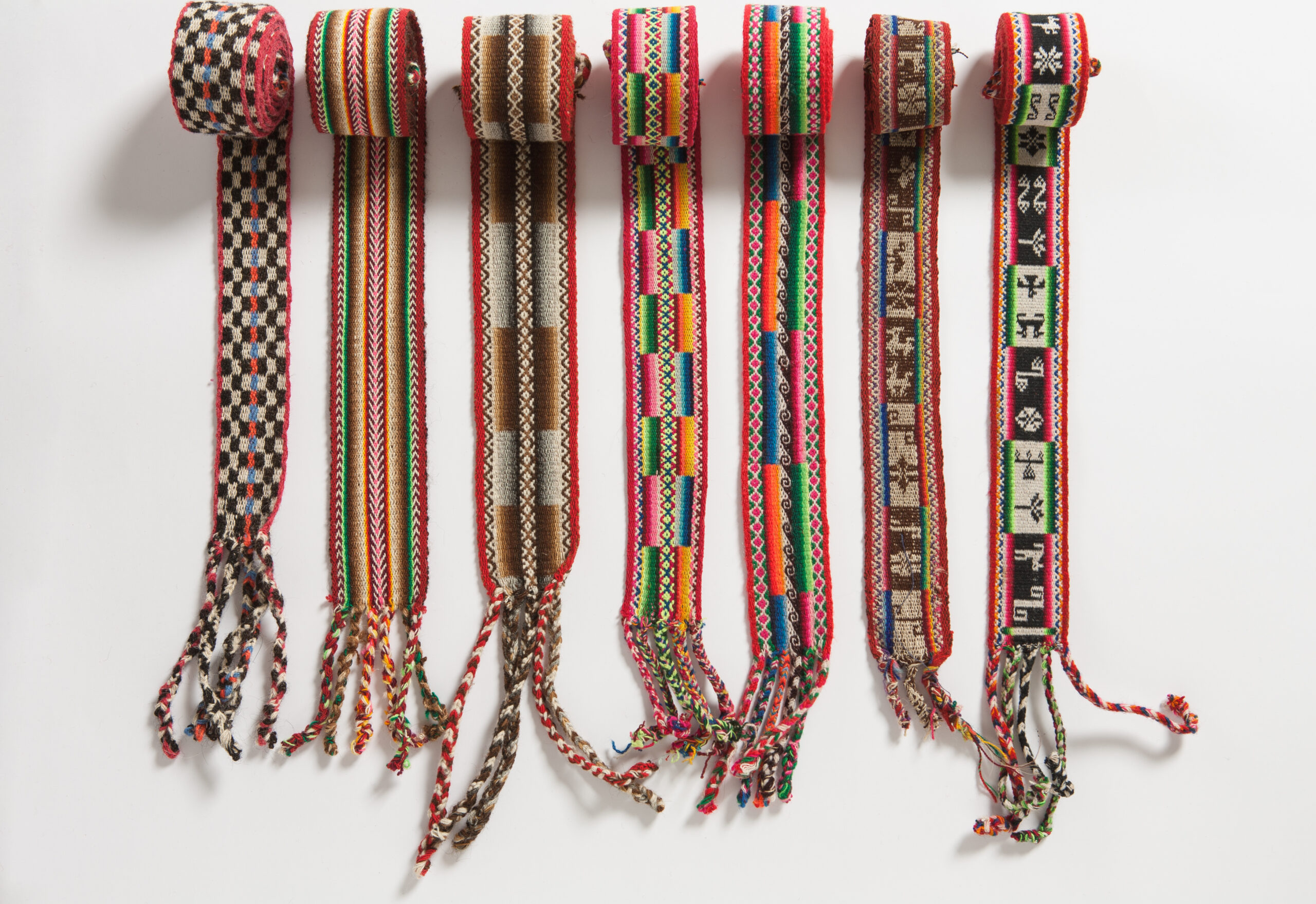
Aymara textiles

El pueblo Aymara pertenece a las culturas originarias de Sudamérica que habitan entre el occidente de Bolivia, el sureste de Perú, el norte grande de Chile y el noroeste de Argentina. En Chile han habitado en las regiones de Arica y Parinacota y de Tarapacá y Antofagasta, en la sierra y valles altos de la […]

Descripción

El pueblo Aymara pertenece a las culturas originarias de Sudamérica que habitan entre el occidente de Bolivia, el sureste de Perú, el norte grande de Chile y el noroeste de Argentina.

En Chile han habitado en las regiones de Arica y Parinacota y de Tarapacá y Antofagasta, en la sierra y valles altos de la precordillera y en los valles bajos y ciudades del norte chileno.

La tradición textil ha estado enraizada en el pueblo aymara desde épocas prehispánicas y caracteriza a su cultura desde hace más de 900 años en esta zona. Los conocimientos vinculados a este arte se han transmitido históricamente y han conservado los patrones que la identifican.

Hoy conviven dos líneas de producción de textiles, las tradicionales y la innovativa, más enfocada al mercado.

Entre los textiles tradicionales se encuentran las prendas de uso en la indumentaria y en lo doméstico. Entre ellos el Axo, la lijllia, fajas, incuñas, ponchos,  panamantas, culebrillas, costales, chuspas.

Para estos tejidos se utiliza como materia prima los hilados de fibras de alpaca o de llama y algunos en lana de ovino que se crían en el altiplano por los mismos comuneros aymaras. Para tejer se utilizan dos tipos de telares tradicionales según sea su estructura y diseño. El telar de cintura y el de 4 estacas. Sus diseños responden a patrones que conservan imágenes, colores y símbolos traspasados por generaciones que identifican a su cultura ancestral.  Muchos de estos son aún usados ritualmente por las comunidades

Entre los textiles actuales, se aprecian gran diversidad de chales, ruanas, cubrecamas pieceras, tejidas en pelo de alpaca, en telares de 2 o 4 estaca;, mayormente en colores planos, naturales o teñidos con colorantes naturales o sintéticos-. Estas prendas tienen una gran aceptación en el mercado actual por el valor que aporta la finura de la fibra de alpaca.

English

Aymara textilesThe Aymara people belong to the original cultures of South America that inhabit western Bolivia, southeastern Peru, northern Chile and northwestern Argentina. In Chile, they have lived in the regions of Arica and Parinacota and Tarapacá and Antofagasta, in the highlands and high valleys of the foothills and in the low valleys and cities of northern Chile. The textile tradition has been rooted in the Aymara people since pre-Hispanic times and has characterized their culture for more than 900 years in this area. The knowledge linked to this art has been transmitted historically and has preserved the patterns that identify it.

Today, two lines of textile production coexist, traditional and innovative, more focused on the market. Among the traditional textiles are garments for clothing and domestic use. Among them are the Axo, the «lijllia», sashes, incuñas, ponchos, panamantas, culebrillas, costales, «chuspas». The raw material used for these weavings is alpaca or llama fiber yarn and some sheep’s wool, which is raised on the altiplano by the Aymara villagers themselves. Two types of traditional looms are used for weaving, depending on their structure and design. The backstrap loom and the four-stake loom.

Their designs respond to patterns that preserve images, colors and symbols passed down through generations that identify their ancestral culture.  Many of these are still used ritually by the communities. Among the current textiles, there is a great diversity of shawls, shawls, ruanas, and bed covers, woven in alpaca hair, in looms of 2 or 4 stakes, mostly in plain colors, natural or dyed with natural or synthetic dyes. These garments have a great acceptance in the current market due to the value provided by the elegance of the alpaca fiber.

Valoraciones

No hay valoraciones aún.

Sé el primero en valorar “Aymara textiles”

Tu dirección de correo electrónico no será publicada. Los campos obligatorios están marcados con *

Descripción

El pueblo Aymara pertenece a las culturas originarias de Sudamérica que habitan entre el occidente de Bolivia, el sureste de Perú, el norte grande de Chile y el noroeste de Argentina.

En Chile han habitado en las regiones de Arica y Parinacota y de Tarapacá y Antofagasta, en la sierra y valles altos de la precordillera y en los valles bajos y ciudades del norte chileno.

La tradición textil ha estado enraizada en el pueblo aymara desde épocas prehispánicas y caracteriza a su cultura desde hace más de 900 años en esta zona. Los conocimientos vinculados a este arte se han transmitido históricamente y han conservado los patrones que la identifican.

Hoy conviven dos líneas de producción de textiles, las tradicionales y la innovativa, más enfocada al mercado.

Entre los textiles tradicionales se encuentran las prendas de uso en la indumentaria y en lo doméstico. Entre ellos el Axo, la lijllia, fajas, incuñas, ponchos,  panamantas, culebrillas, costales, chuspas.

Para estos tejidos se utiliza como materia prima los hilados de fibras de alpaca o de llama y algunos en lana de ovino que se crían en el altiplano por los mismos comuneros aymaras. Para tejer se utilizan dos tipos de telares tradicionales según sea su estructura y diseño. El telar de cintura y el de 4 estacas. Sus diseños responden a patrones que conservan imágenes, colores y símbolos traspasados por generaciones que identifican a su cultura ancestral.  Muchos de estos son aún usados ritualmente por las comunidades

Entre los textiles actuales, se aprecian gran diversidad de chales, ruanas, cubrecamas pieceras, tejidas en pelo de alpaca, en telares de 2 o 4 estaca;, mayormente en colores planos, naturales o teñidos con colorantes naturales o sintéticos-. Estas prendas tienen una gran aceptación en el mercado actual por el valor que aporta la finura de la fibra de alpaca.

English

Aymara textilesThe Aymara people belong to the original cultures of South America that inhabit western Bolivia, southeastern Peru, northern Chile and northwestern Argentina. In Chile, they have lived in the regions of Arica and Parinacota and Tarapacá and Antofagasta, in the highlands and high valleys of the foothills and in the low valleys and cities of northern Chile. The textile tradition has been rooted in the Aymara people since pre-Hispanic times and has characterized their culture for more than 900 years in this area. The knowledge linked to this art has been transmitted historically and has preserved the patterns that identify it.

Today, two lines of textile production coexist, traditional and innovative, more focused on the market. Among the traditional textiles are garments for clothing and domestic use. Among them are the Axo, the «lijllia», sashes, incuñas, ponchos, panamantas, culebrillas, costales, «chuspas». The raw material used for these weavings is alpaca or llama fiber yarn and some sheep’s wool, which is raised on the altiplano by the Aymara villagers themselves. Two types of traditional looms are used for weaving, depending on their structure and design. The backstrap loom and the four-stake loom.

Their designs respond to patterns that preserve images, colors and symbols passed down through generations that identify their ancestral culture.  Many of these are still used ritually by the communities. Among the current textiles, there is a great diversity of shawls, shawls, ruanas, and bed covers, woven in alpaca hair, in looms of 2 or 4 stakes, mostly in plain colors, natural or dyed with natural or synthetic dyes. These garments have a great acceptance in the current market due to the value provided by the elegance of the alpaca fiber.

Valoraciones

No hay valoraciones aún.

Sé el primero en valorar “Aymara textiles”

Tu dirección de correo electrónico no será publicada. Los campos obligatorios están marcados con *

Descripción

El pueblo Aymara pertenece a las culturas originarias de Sudamérica que habitan entre el occidente de Bolivia, el sureste de Perú, el norte grande de Chile y el noroeste de Argentina.

En Chile han habitado en las regiones de Arica y Parinacota y de Tarapacá y Antofagasta, en la sierra y valles altos de la precordillera y en los valles bajos y ciudades del norte chileno.

La tradición textil ha estado enraizada en el pueblo aymara desde épocas prehispánicas y caracteriza a su cultura desde hace más de 900 años en esta zona. Los conocimientos vinculados a este arte se han transmitido históricamente y han conservado los patrones que la identifican.

Hoy conviven dos líneas de producción de textiles, las tradicionales y la innovativa, más enfocada al mercado.

Entre los textiles tradicionales se encuentran las prendas de uso en la indumentaria y en lo doméstico. Entre ellos el Axo, la lijllia, fajas, incuñas, ponchos,  panamantas, culebrillas, costales, chuspas.

Para estos tejidos se utiliza como materia prima los hilados de fibras de alpaca o de llama y algunos en lana de ovino que se crían en el altiplano por los mismos comuneros aymaras. Para tejer se utilizan dos tipos de telares tradicionales según sea su estructura y diseño. El telar de cintura y el de 4 estacas. Sus diseños responden a patrones que conservan imágenes, colores y símbolos traspasados por generaciones que identifican a su cultura ancestral.  Muchos de estos son aún usados ritualmente por las comunidades

Entre los textiles actuales, se aprecian gran diversidad de chales, ruanas, cubrecamas pieceras, tejidas en pelo de alpaca, en telares de 2 o 4 estaca;, mayormente en colores planos, naturales o teñidos con colorantes naturales o sintéticos-. Estas prendas tienen una gran aceptación en el mercado actual por el valor que aporta la finura de la fibra de alpaca.

English

Aymara textilesThe Aymara people belong to the original cultures of South America that inhabit western Bolivia, southeastern Peru, northern Chile and northwestern Argentina. In Chile, they have lived in the regions of Arica and Parinacota and Tarapacá and Antofagasta, in the highlands and high valleys of the foothills and in the low valleys and cities of northern Chile. The textile tradition has been rooted in the Aymara people since pre-Hispanic times and has characterized their culture for more than 900 years in this area. The knowledge linked to this art has been transmitted historically and has preserved the patterns that identify it.

Today, two lines of textile production coexist, traditional and innovative, more focused on the market. Among the traditional textiles are garments for clothing and domestic use. Among them are the Axo, the «lijllia», sashes, incuñas, ponchos, panamantas, culebrillas, costales, «chuspas». The raw material used for these weavings is alpaca or llama fiber yarn and some sheep’s wool, which is raised on the altiplano by the Aymara villagers themselves. Two types of traditional looms are used for weaving, depending on their structure and design. The backstrap loom and the four-stake loom.

Their designs respond to patterns that preserve images, colors and symbols passed down through generations that identify their ancestral culture.  Many of these are still used ritually by the communities. Among the current textiles, there is a great diversity of shawls, shawls, ruanas, and bed covers, woven in alpaca hair, in looms of 2 or 4 stakes, mostly in plain colors, natural or dyed with natural or synthetic dyes. These garments have a great acceptance in the current market due to the value provided by the elegance of the alpaca fiber.

Valoraciones

No hay valoraciones aún.

Sé el primero en valorar “Aymara textiles”

Tu dirección de correo electrónico no será publicada. Los campos obligatorios están marcados con *

Descripción

The Aymara people belong to the cultures originating from South America that live between western Bolivia, southeastern Peru, northern Chile and northwest Argentina.

In Chile they have lived in the regions of Arica and Parinacota and Tarapacá and Antofagasta, in the mountains and high valleys of the foothills and in the low valleys and cities of northern Chile.

The textile tradition has been rooted in the Aymara people since pre-Hispanic times and has characterized their culture for more than 900 years in this area. The knowledge linked to this art has been transmitted historically and has preserved the patterns that identify it.

Today two textile production lines coexist, the traditional one and the innovative one, more focused on the market.

Among traditional textiles are garments used in clothing and domestic items. Among them the Axo, the lijllia, fajas, incuñas, ponchos, panamantas, culebrillas, costales, chuspas.

For these fabrics, yarn made from alpaca or llama fibers and some sheep wool that are raised in the highlands by the Aymara community members themselves are used as raw materials. Two types of traditional looms are used for weaving depending on their structure and design. The backstrap loom and the 4-stake loom. Their designs respond to patterns that preserve images, colors and symbols passed down by generations that identify their ancestral culture.  Many of these are still used ritually by communities.

Among current textiles, there is a great diversity of shawls, ruanas, foot covers, woven in alpaca hair, on 2 or 4 stake looms, mostly in plain, natural colors or dyed with natural or synthetic dyes. These garments are widely accepted in the current market due to the value provided by the fineness of the alpaca fiber.

EnglishAymara textiles

The Aymara people belong to the original cultures of South America that inhabit western Bolivia, southeastern Peru, northern Chile and northwestern Argentina. In Chile, they have lived in the regions of Arica and Parinacota and Tarapacá and Antofagasta, in the highlands and high valleys of the foothills and in the low valleys and cities of northern Chile. The textile tradition has been rooted in the Aymara people since pre-Hispanic times and has characterized their culture for more than 900 years in this area. The knowledge linked to this art has been transmitted historically and has preserved the patterns that identify it.

Today, two lines of textile production coexist, traditional and innovative, more focused on the market. Among the traditional textiles are garments for clothing and domestic use. Among them are the Axo, the "lijllia", sashes, incuñas, ponchos, panamantas, culebrillas, costales, "chuspas". The raw material used for these weavings is alpaca or llama fiber yarn and some sheep's wool, which is raised on the altiplano by the Aymara villagers themselves. Two types of traditional looms are used for weaving, depending on their structure and design. The backstrap loom and the four-stake loom.

Their designs respond to patterns that preserve images, colors and symbols passed down through generations that identify their ancestral culture.  Many of these are still used ritually by the communities. Among the current textiles, there is a great diversity of shawls, shawls, ruanas, and bed covers, woven in alpaca hair, in looms of 2 or 4 stakes, mostly in plain colors, natural or dyed with natural or synthetic dyes. These garments have a great acceptance in the current market due to the value provided by the elegance of the alpaca fiber.

Valoraciones

No hay valoraciones aún.

Sé el primero en valorar “Aymara textiles”

Tu dirección de correo electrónico no será publicada. Los campos obligatorios están marcados con *

Descripción

El pueblo Aymara pertenece a las culturas originarias de Sudamérica que habitan entre el occidente de Bolivia, el sureste de Perú, el norte grande de Chile y el noroeste de Argentina.

En Chile han habitado en las regiones de Arica y Parinacota y de Tarapacá y Antofagasta, en la sierra y valles altos de la precordillera y en los valles bajos y ciudades del norte chileno.

La tradición textil ha estado enraizada en el pueblo aymara desde épocas prehispánicas y caracteriza a su cultura desde hace más de 900 años en esta zona. Los conocimientos vinculados a este arte se han transmitido históricamente y han conservado los patrones que la identifican.

Hoy conviven dos líneas de producción de textiles, las tradicionales y la innovativa, más enfocada al mercado.

Entre los textiles tradicionales se encuentran las prendas de uso en la indumentaria y en lo doméstico. Entre ellos el Axo, la lijllia, fajas, incuñas, ponchos,  panamantas, culebrillas, costales, chuspas.

Para estos tejidos se utiliza como materia prima los hilados de fibras de alpaca o de llama y algunos en lana de ovino que se crían en el altiplano por los mismos comuneros aymaras. Para tejer se utilizan dos tipos de telares tradicionales según sea su estructura y diseño. El telar de cintura y el de 4 estacas. Sus diseños responden a patrones que conservan imágenes, colores y símbolos traspasados por generaciones que identifican a su cultura ancestral.  Muchos de estos son aún usados ritualmente por las comunidades

Entre los textiles actuales, se aprecian gran diversidad de chales, ruanas, cubrecamas pieceras, tejidas en pelo de alpaca, en telares de 2 o 4 estaca;, mayormente en colores planos, naturales o teñidos con colorantes naturales o sintéticos-. Estas prendas tienen una gran aceptación en el mercado actual por el valor que aporta la finura de la fibra de alpaca.

English

Aymara textiles

The Aymara people belong to the original cultures of South America that inhabit western Bolivia, southeastern Peru, northern Chile and northwestern Argentina. In Chile, they have lived in the regions of Arica and Parinacota and Tarapacá and Antofagasta, in the highlands and high valleys of the foothills and in the low valleys and cities of northern Chile. The textile tradition has been rooted in the Aymara people since pre-Hispanic times and has characterised their culture for more than 900 years in this area. The knowledge linked to this art has been transmitted historically and has preserved the patterns that identify it.

Today, two lines of textile production coexist, traditional and innovative, more focused on the market. Among the traditional textiles are garments for clothing and domestic use. Among them are the Axo, the «lijllia», sashes, incuñas, ponchos, panamantas, culebrillas, costales, «chuspas». The raw material used for these weavings is alpaca or llama fibre yarn and some sheep’s wool, which is raised on the altiplano by the Aymara villagers themselves. Two types of traditional looms are used for weaving, depending on their structure and design. The backstrap loom and the four-stake loom.

Their designs respond to patterns that preserve images, colours and symbols passed down through generations that identify their ancestral culture.  Many of these are still used ritually by the communities. Among the current textiles, there is a great diversity of shawls, shawls, ruanas, and bed covers, woven in alpaca hair, in looms of 2 or 4 stakes, mostly in plain colours, natural or dyed with natural or synthetic dyes. These garments have a great acceptance in the current market due to the value provided by the elegance of the alpaca fibre.

Valoraciones

No hay valoraciones aún.

Sé el primero en valorar “Textiles aymaras”

Tu dirección de correo electrónico no será publicada. Los campos obligatorios están marcados con *