
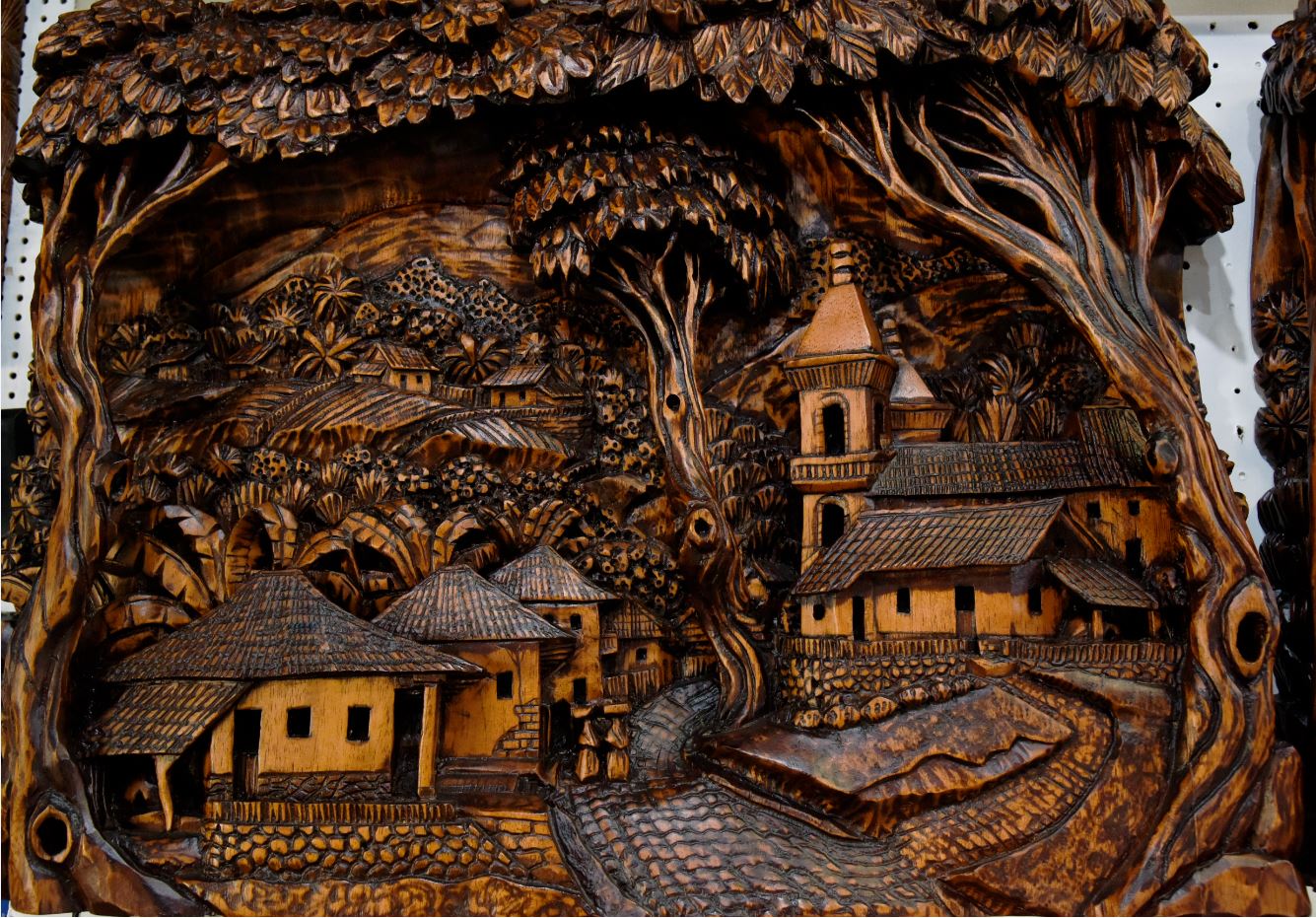
Carved wood trunks

Los baúles tallados en madera forman parte de las artesanías desarrolladas en la comunidad de Valle de Ángeles ubicada en los alrededores de la ciudad de Tegucigalpa, en una zona montañosa de bosque de pino.  Los orígenes históricos de la comunidad están relacionados con la actividad minera en el siglo XIX, siendo parte del curato […]

Descripción

Los baúles tallados en madera forman parte de las artesanías desarrolladas en la comunidad de Valle de Ángeles ubicada en los alrededores de la ciudad de Tegucigalpa, en una zona montañosa de bosque de pino.  Los orígenes históricos de la comunidad están relacionados con la actividad minera en el siglo XIX, siendo parte del curato de Santa Lucia y parte, administrativamente, del municipio de San Antonio de Oriente.

Originalmente a esta comunidad se le conoció como “Cimarrón” por la presencia de negros güirises (extractores de la broza de la plata) en las fundiciones de Santa Lucia, hasta que en 1865 se le da el nombre de Valle de Ángeles. La actividad minera de güirises dejo una huella de   bocas de mina y lugares de fundición conocidos como “oficinas”.

La relación de esta población con el bosque y la búsqueda de alternativas de emprendimiento propició en 1966 la fundación del “Centro de Adiestramiento Artesana de Valle de Ángeles” (cerrado en 1992), espacio en que se formó la mayoría de artesanos locales. Pese al cierre del Centro Artesanal, estos permanecieron organizados y actualmente la comunidad de Valle de Ángeles  es el escaparate de la artesanía de todo el país.

El trabajo de talla de los baúles se elabora en madera de cedro, caoba y pino y su técnica artesanal sigue siendo muy tradicional pues es tallado con formón y pulido a mano lo que vuelve el proceso creativo muy lento, aunque no ha impedido una amplia oferta permanente. Los temas icónicos que abordan los artesanos están relacionados con el paisaje y tradiciones de la comunidad, de calles empedradas y retorcidas que recuerdan la actividad minera previa. Otros temas son la flora y fauna local destacándose por su producción de flores que se ve reflejada en los temas de los baúles. Los   artesanos están organizados en unidades familiares y asociaciones artesanales.

english

Carved Wooden TrunksThe carved wooden trunks are part of the handicrafts developed in the community of Valle de Angeles near the city of Tegucigalpa, in a mountainous area. The historical origins of the community are related to mining activity in the 19th century, being part of the curate of Santa Lucia and administratively part of the municipality of San Antonio de Oriente.

Originally this community was called «Cimarrón» due to the presence of black güirises (silver extractors) in the foundries of Santa Lucia, until 1865, when it was given the name of Valle de Ángeles. The mining activity of the güirises left a trail of mine mouths and smelting places known as «offices».

The relationship of this population with the forest and the search for alternative entrepreneurship led in 1966 to the foundation of the «Centro de Adiestramiento Artesanal de Valle de Ángeles» (closed in 1992), a place where most of the local artisans were trained. Despite the closure of the Centro Artesanal, they remained organized and today the community of Valle de Ángeles is a showcase for craftsmanship from all over the country.

The carving of the trunks is done in cedar, mahogany and pine wood and the craft technique is still very traditional as it is carved with a chisel and polished by hand, which makes the creative process very slow, although this has not prevented a wide and permanent offer. The iconic themes that the artisans deal with are related to the landscape and traditions of the community, with its cobbled and twisted streets reminiscent of the previous mining activity. Other themes are the local flora and fauna, with an emphasis on flower production, which is reflected in the themes of the trunks. The artisans are organized in family units and craft associations.

Valoraciones

No hay valoraciones aún.

Sé el primero en valorar “Carved wood trunks”

Tu dirección de correo electrónico no será publicada. Los campos obligatorios están marcados con *

Descripción

Los baúles tallados en madera forman parte de las artesanías desarrolladas en la comunidad de Valle de Ángeles ubicada en los alrededores de la ciudad de Tegucigalpa, en una zona montañosa de bosque de pino.  Los orígenes históricos de la comunidad están relacionados con la actividad minera en el siglo XIX, siendo parte del curato de Santa Lucia y parte, administrativamente, del municipio de San Antonio de Oriente.

Originalmente a esta comunidad se le conoció como “Cimarrón” por la presencia de negros güirises (extractores de la broza de la plata) en las fundiciones de Santa Lucia, hasta que en 1865 se le da el nombre de Valle de Ángeles. La actividad minera de güirises dejo una huella de   bocas de mina y lugares de fundición conocidos como “oficinas”.

La relación de esta población con el bosque y la búsqueda de alternativas de emprendimiento propició en 1966 la fundación del “Centro de Adiestramiento Artesana de Valle de Ángeles” (cerrado en 1992), espacio en que se formó la mayoría de artesanos locales. Pese al cierre del Centro Artesanal, estos permanecieron organizados y actualmente la comunidad de Valle de Ángeles  es el escaparate de la artesanía de todo el país.

El trabajo de talla de los baúles se elabora en madera de cedro, caoba y pino y su técnica artesanal sigue siendo muy tradicional pues es tallado con formón y pulido a mano lo que vuelve el proceso creativo muy lento, aunque no ha impedido una amplia oferta permanente. Los temas icónicos que abordan los artesanos están relacionados con el paisaje y tradiciones de la comunidad, de calles empedradas y retorcidas que recuerdan la actividad minera previa. Otros temas son la flora y fauna local destacándose por su producción de flores que se ve reflejada en los temas de los baúles. Los   artesanos están organizados en unidades familiares y asociaciones artesanales.

english

Carved Wooden TrunksThe carved wooden trunks are part of the handicrafts developed in the community of Valle de Angeles near the city of Tegucigalpa, in a mountainous area. The historical origins of the community are related to mining activity in the 19th century, being part of the curate of Santa Lucia and administratively part of the municipality of San Antonio de Oriente.

Originally this community was called «Cimarrón» due to the presence of black güirises (silver extractors) in the foundries of Santa Lucia, until 1865, when it was given the name of Valle de Ángeles. The mining activity of the güirises left a trail of mine mouths and smelting places known as «offices».

The relationship of this population with the forest and the search for alternative entrepreneurship led in 1966 to the foundation of the «Centro de Adiestramiento Artesanal de Valle de Ángeles» (closed in 1992), a place where most of the local artisans were trained. Despite the closure of the Centro Artesanal, they remained organized and today the community of Valle de Ángeles is a showcase for craftsmanship from all over the country.

The carving of the trunks is done in cedar, mahogany and pine wood and the craft technique is still very traditional as it is carved with a chisel and polished by hand, which makes the creative process very slow, although this has not prevented a wide and permanent offer. The iconic themes that the artisans deal with are related to the landscape and traditions of the community, with its cobbled and twisted streets reminiscent of the previous mining activity. Other themes are the local flora and fauna, with an emphasis on flower production, which is reflected in the themes of the trunks. The artisans are organized in family units and craft associations.

Valoraciones

No hay valoraciones aún.

Sé el primero en valorar “Carved wood trunks”

Tu dirección de correo electrónico no será publicada. Los campos obligatorios están marcados con *

Descripción

The carved wooden trunks are part of the crafts developed in the community of Valle de Ángeles located around the city of Tegucigalpa, in a mountainous area of ​​pine forest.  The historical origins of the community are related to mining activity in the 19th century, being part of the parish of Santa Lucia and part, administratively, of the municipality of San Antonio de Oriente.

Originally this community was known as “Cimarrón” due to the presence of black güirises (silver scrap extractors) in the foundries of Santa Lucia, until in 1865 it was given the name Valle de Ángeles. The mining activity of güirises left a trace of   mine mouths and smelting places known as “offices”.

The relationship of this population with the forest and the search for entrepreneurial alternatives led to the founding in 1966 of the “Valle de Ángeles Artisanal Training Center” (closed in 1992), a space where the majority of local artisans were trained. Despite the closure of the Craft Center, they remained organized and currently the community of Valle de Ángeles is the showcase of crafts in the entire country.

The carving of the trunks is made of cedar, mahogany and pine wood and its artisanal technique remains very traditional as it is carved with a chisel and polished by hand, which makes the creative process very slow, although it has not prevented a wide permanent offer. The iconic themes that the artisans address are related to the landscape and traditions of the community, with cobblestone and twisted streets that recall previous mining activity. Other themes are the local flora and fauna, standing out for its flower production, which is reflected in the themes of the trunks. The   artisans are organized into family units and craft associations.

englishCarved Wooden Trunks

The carved wooden trunks are part of the handicrafts developed in the community of Valle de Angeles near the city of Tegucigalpa, in a mountainous area. The historical origins of the community are related to mining activity in the 19th century, being part of the curate of Santa Lucia and administratively part of the municipality of San Antonio de Oriente.

Originally this community was called "Cimarrón" due to the presence of black güirises (silver extractors) in the foundries of Santa Lucia, until 1865, when it was given the name of Valle de Ángeles. The mining activity of the güirises left a trail of mine mouths and smelting places known as "offices".

The relationship of this population with the forest and the search for alternative entrepreneurship led in 1966 to the foundation of the "Centro de Adiestramiento Artesanal de Valle de Ángeles" (closed in 1992), a place where most of the local artisans were trained. Despite the closure of the Centro Artesanal, they remained organized and today the community of Valle de Ángeles is a showcase for craftsmanship from all over the country.

The carving of the trunks is done in cedar, mahogany and pine wood and the craft technique is still very traditional as it is carved with a chisel and polished by hand, which makes the creative process very slow, although this has not prevented a wide and permanent offer. The iconic themes that the artisans deal with are related to the landscape and traditions of the community, with its cobbled and twisted streets reminiscent of the previous mining activity. Other themes are the local flora and fauna, with an emphasis on flower production, which is reflected in the themes of the trunks. The artisans are organized in family units and craft associations.

Valoraciones

No hay valoraciones aún.

Sé el primero en valorar “Carved wood trunks”

Tu dirección de correo electrónico no será publicada. Los campos obligatorios están marcados con *

Descripción

Los baúles tallados en madera forman parte de las artesanías desarrolladas en la comunidad de Valle de Ángeles ubicada en los alrededores de la ciudad de Tegucigalpa, en una zona montañosa de bosque de pino.  Los orígenes históricos de la comunidad están relacionados con la actividad minera en el siglo XIX, siendo parte del curato de Santa Lucia y parte, administrativamente, del municipio de San Antonio de Oriente.

Originalmente a esta comunidad se le conoció como “Cimarrón” por la presencia de negros güirises (extractores de la broza de la plata) en las fundiciones de Santa Lucia, hasta que en 1865 se le da el nombre de Valle de Ángeles. La actividad minera de güirises dejo una huella de   bocas de mina y lugares de fundición conocidos como “oficinas”.

La relación de esta población con el bosque y la búsqueda de alternativas de emprendimiento propició en 1966 la fundación del “Centro de Adiestramiento Artesana de Valle de Ángeles” (cerrado en 1992), espacio en que se formó la mayoría de artesanos locales. Pese al cierre del Centro Artesanal, estos permanecieron organizados y actualmente la comunidad de Valle de Ángeles  es el escaparate de la artesanía de todo el país.

El trabajo de talla de los baúles se elabora en madera de cedro, caoba y pino y su técnica artesanal sigue siendo muy tradicional pues es tallado con formón y pulido a mano lo que vuelve el proceso creativo muy lento, aunque no ha impedido una amplia oferta permanente. Los temas icónicos que abordan los artesanos están relacionados con el paisaje y tradiciones de la comunidad, de calles empedradas y retorcidas que recuerdan la actividad minera previa. Otros temas son la flora y fauna local destacándose por su producción de flores que se ve reflejada en los temas de los baúles. Los   artesanos están organizados en unidades familiares y asociaciones artesanales.

english

Carved Wooden Trunks

The carved wooden trunks are part of the handicrafts developed in the community of Valle de Angeles near the city of Tegucigalpa, in a mountainous area. The historical origins of the community are related to mining activity in the 19th century, being part of the curato of Santa Lucia and administratively part of the municipality of San Antonio de Oriente.

Originally this community was called «Cimarrón» due to the presence of black güirises (silver extractors) in the foundries of Santa Lucia, until 1865, when it was given the name of Valle de Ángeles. The mining activity of the güirises left a trail of mine mouths and smelting places known as «oficinas».

The relationship of this population with the forest and the search for alternative entrepreneurship led in 1966 to the foundation of the «Centro de Adiestramiento Artesanal de Valle de Ángeles» (closed in 1992), a place where most of the local artisans were trained. Despite the closure of the Centro Artesanal, they remained organised and today the community of Valle de Ángeles is a showcase for craftsmanship from all over the country.

The carving of the trunks is done in cedar, mahogany and pine wood and the craft technique is still very traditional as it is carved with a chisel and polished by hand, which makes the creative process very slow, although this has not prevented a wide and permanent offer. The iconic themes that the artisans deal with are related to the landscape and traditions of the community, with its cobbled and twisted streets reminiscent of the previous mining activity. Other themes are the local flora and fauna, with an emphasis on flower production, which is reflected in the themes of the trunks. The artisans are organised in family units and craft associations.

Valoraciones

No hay valoraciones aún.

Sé el primero en valorar “Baúles tallados en madera”

Tu dirección de correo electrónico no será publicada. Los campos obligatorios están marcados con *