
Descripción
La principal producción artesanal en Guatemala es la textil, seguida por la talla en madera y carpintería y la alfarería. Otros oficios en menor escala son el trenzado de fibras vegetales, la producción en cuero, la forja, la joyería y bisutería.
La principal oferta del trenzado de fibras vegetales produce canastos, sombreros, backpacks(or palm canvases placed on the ground for rest), and some other decorative and utilitarian products. The main fibers used in the country are palm, maguey, reed and wicker. There are others, but used on a smaller scale. The main production areas are Chiquimula, Quiché and Verapaces. The man regularly plants and harvests the fiber-producing plants and the women are in charge of cleaning and braiding it.
In the artisanal production of leather goods, two municipalities have stood out in the country for this trade: Samayac in Suchitepéquez, producing belts regularly mixed with artisanal textiles, and Pastores in Sacatepéquez, producing their traditional cowboy boots. In recent decades, and with a view especially to the tourist market, a wide range of leather products mixed with artisanal textiles has emerged in the presentations of bags, wallets, purses, briefcases and footwear, which vary in quality and price.
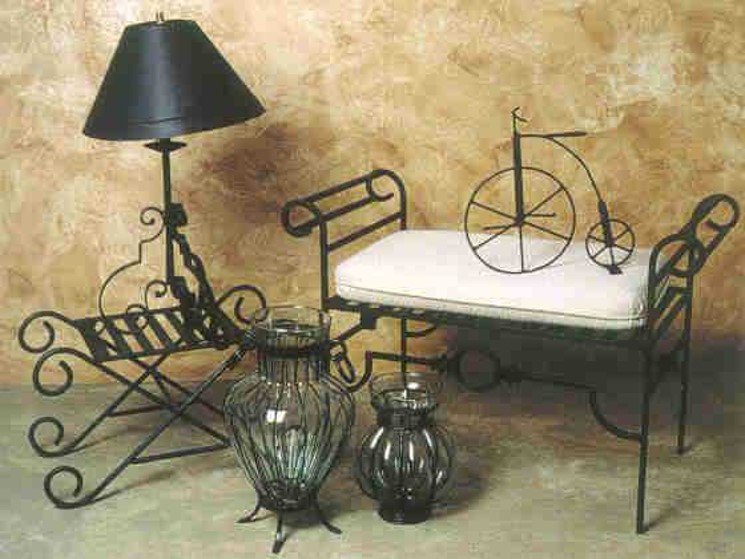
Forging is a technique inherited from colonial times, when the Captaincy General of the Kingdom of Guatemala was beginning to be formed, what is known today as Antigua Guatemala. The art of working iron with blows, when it is at a high temperature, led to the development of streetlights, lamps, candelabras and incense burners, furniture and window balconies, its main production center still being the city of Antigua Guatemala.
In Jewelry Guatemala has managed to stand out for the pieces made with Jade, since the country is one of the few in the world with the variety ofJadeite, which is more resistant and has a greater variety of colors (imperial green, black, light blue, lavender, orange). Jade was considered by the Mayans more valuable than gold and today, fine jewelry is presented to the market using this material.
Due to Spanish influence and especially in indigenous religious groups (cofradías), necklaces began to be made with beads, silver coins, corals, crosses and pendants. These necklaces are calledchachalesand although original parts still exist, adaptations have been developed for the current market.
Costume jewelry is another strong production, especially in the towns around Lake Atitlán, which use Czech mostacilla beads to make necklaces, bracelets, earrings and other accessories outside of costume jewelry such as Christmas decorations, animal figures, key chains and even cushions and wall decorations.
english
Other Hand Made CraftsThe main handicraft production in Guatemala is textiles, followed by wood carving, carpentry and pottery. Other trades on a smaller scale are the weaving of vegetable fibers, leather production, forging, jewelry and costume jewelry. The main offering of plant fiber weaving produces baskets, hats, mats (or palm canvases placed on the floor for rest), and some other decorative and utilitarian products. The main fibers used in the country are palm, maguey, reeds and wicker. There are others, but they are used on a smaller scale. The main production areas are Chiquimula, Quiché and Verapaces. Regularly, the men sow and harvest the fiber-producing plants and the women are in charge of cleaning and braiding them.
In the artisanal production of leather goods, two municipalities have stood out in the country for this trade: Samayac in Suchitepéquez, producing belts regularly mixed with artisanal textiles, and Pastores in Sacatepéquez, producing their traditional cowboy boots. In recent decades, and with a view especially to the tourist market, a wide range of leather products mixed with handmade textiles has emerged in the presentations of bags, wallets, wallets, purses, briefcases and footwear, which vary in quality and price.
Forging is a technique inherited from colonial times, when the Captaincy General of the Kingdom of Guatemala, which is now known as Antigua Guatemala, was beginning to be formed. The art of working iron with blows, when it is at a high temperature, led to the development of lampposts, lamps, candlesticks and censers, furniture and balconies for windows, still being its main center of production, the city of Antigua Guatemala.
Jewelry in Guatemala stands out for its pieces made of jade, since the country is a worldwide producer of jadeite, which is more resistant and with a greater variety of colors, such as imperial green, black, light blue, lavender and orange. Jade was considered by the Mayans to be more valuable than gold and is now made into fine pieces on the market.
Due to Spanish influence, especially in the indigenous religious groups (brotherhoods), necklaces began to be made with beads, silver coins, corals, crosses and charms. These necklaces are called “chachales” and while original pieces still exist, adaptations have been developed for today’s market.
Costume jewelry is another strong production, especially in the villages around Lake Atitlan, which use “mostacilla checa” (dust shot Czech) to make necklaces, bracelets, earrings, and other accessories outside of costume jewelry such as Christmas ornaments, animal figurines, keychains, and even cushions and wall decorations.
Valoraciones
No hay valoraciones aún.