
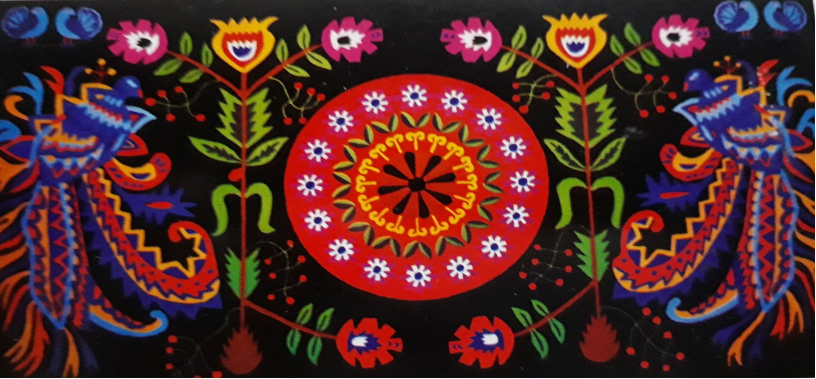
The crafts of Wayuu women

Wayúu, es un pueblo aborigen de filiación lingüística Arawac. Habita la Península de la Guajira, territorio fronterizo con Colombia. Tiene una población estimada en 700.000 habitantes. De ellos, 300.000 viven en Venezuela. La etnia Wayuu es una sociedad organizada por castas matrilineales. Se estiman 30 clanes identificados por un animal totémico. Las mujeres de la […]

Descripción

Wayúu, es un pueblo aborigen de filiación lingüística Arawac. Habita la Península de la Guajira, territorio fronterizo con Colombia. Tiene una población estimada en 700.000 habitantes. De ellos, 300.000 viven en Venezuela.

La etnia Wayuu es una sociedad organizada por castas matrilineales. Se estiman 30 clanes identificados por un animal totémico.

Las mujeres de la comunidad son tejedoras de hamacas y ceramistas consagradas. Ambos oficios los aprenden durante el “encierro”. Práctica que aún conservan para formar a las niñas en los oficios del hogar al llegar a la edad de pubertad.

Tejen una variedad de hamacas. Su obra maestra es la hamaca doble cara, muy laboriosa. Este modelo recibió en el año 2002 el Premio UNESCO de Artesanías.

Materias primas:

  • They use cotton and mercerized thread to weave the hammocks and acrylic wool for the tapestries.
  • They use clays and rust for mucuras or special clay jars to preserve fresh water. They also make very typical funeral urns and dolls.
  • Wood for homes, drums and other uses.
  • The techniques they practice are pre-Hispanic.
  • They weave hammocks on a vertical loom. Men’s girdles and belts are made using the palletizing technique.
  • On wooden frames they embroider wool tapestries where they express their fantasies.
  • The ceramic is molded by hand using a wheel system and the burning is done over an open fire with cují and cardón wood.

Marketing

They have fixed stands along the roads and fulfill orders from specialized stores throughout the country.  They export tapestries to France, Germany, the United States and Japan.

Photos: from the Crafts and Folklore Archive and by Janeth Ipuana

English

Wayuu women’s craftsWayúu is an aboriginal people of Arawac linguistic affiliation. They inhabit the Guajira Peninsula, a border territory with Colombia. It has an estimated population of 700,000 inhabitants. Of these, 300,000 live in Venezuela. The Wayuu are a matrilineal caste society. There are an estimated 30 clans identified by a totemic animal.

The women of the community are dedicated hammock weavers and potters. Both trades are learned during the «confinement». This practice is still used to train girls in the household trades when they reach puberty. They weave a variety of hammocks. Their masterpiece is the very elaborate double-sided hammock. This model was awarded the UNESCO Crafts Prize in 2002.

They use cotton and mercerised yarn to weave the hammocks and acrylic wool for the tapestries. They use clay and rust for the «múcuras» or special earthenware jars to preserve fresh water. They also make funerary urns and very typical dolls.

Wood for houses, drums and other uses. The techniques they practice are pre-Hispanic.

They weave hammocks on a vertical loom. Male sashes and belts are made using the «paleteado» technique. On wooden frames, they embroider woolen tapestries in which they embody their fantasies. The pottery is molded by hand using the «rodete» system and the burning is done over an open fire with «cují» and «cardón» wood. They have fixed stalls along the roads and take orders from specialized shops all over the country. Some export tapestries to France, Germany, the United States and Japan.

Valoraciones

No hay valoraciones aún.

Sé el primero en valorar “The crafts of Wayuu women”

Tu dirección de correo electrónico no será publicada. Los campos obligatorios están marcados con *

Descripción

Wayúu, es un pueblo aborigen de filiación lingüística Arawac. Habita la Península de la Guajira, territorio fronterizo con Colombia. Tiene una población estimada en 700.000 habitantes. De ellos, 300.000 viven en Venezuela.

La etnia Wayuu es una sociedad organizada por castas matrilineales. Se estiman 30 clanes identificados por un animal totémico.

Las mujeres de la comunidad son tejedoras de hamacas y ceramistas consagradas. Ambos oficios los aprenden durante el “encierro”. Práctica que aún conservan para formar a las niñas en los oficios del hogar al llegar a la edad de pubertad.

Tejen una variedad de hamacas. Su obra maestra es la hamaca doble cara, muy laboriosa. Este modelo recibió en el año 2002 el Premio UNESCO de Artesanías.

Materias primas:

  • They use cotton and mercerized thread to weave the hammocks and acrylic wool for the tapestries.
  • They use clays and rust for mucuras or special clay jars to preserve fresh water. They also make very typical funeral urns and dolls.
  • Wood for homes, drums and other uses.
  • The techniques they practice are pre-Hispanic.
  • They weave hammocks on a vertical loom. Men’s girdles and belts are made using the palletizing technique.
  • On wooden frames they embroider wool tapestries where they express their fantasies.
  • The ceramic is molded by hand using a wheel system and the burning is done over an open fire with cují and cardón wood.

Marketing

They have fixed stands along the roads and fulfill orders from specialized stores throughout the country.  They export tapestries to France, Germany, the United States and Japan.

Photos: from the Crafts and Folklore Archive and by Janeth Ipuana

English

Wayuu women’s craftsWayúu is an aboriginal people of Arawac linguistic affiliation. They inhabit the Guajira Peninsula, a border territory with Colombia. It has an estimated population of 700,000 inhabitants. Of these, 300,000 live in Venezuela. The Wayuu are a matrilineal caste society. There are an estimated 30 clans identified by a totemic animal.

The women of the community are dedicated hammock weavers and potters. Both trades are learned during the «confinement». This practice is still used to train girls in the household trades when they reach puberty. They weave a variety of hammocks. Their masterpiece is the very elaborate double-sided hammock. This model was awarded the UNESCO Crafts Prize in 2002.

They use cotton and mercerised yarn to weave the hammocks and acrylic wool for the tapestries. They use clay and rust for the «múcuras» or special earthenware jars to preserve fresh water. They also make funerary urns and very typical dolls.

Wood for houses, drums and other uses. The techniques they practice are pre-Hispanic.

They weave hammocks on a vertical loom. Male sashes and belts are made using the «paleteado» technique. On wooden frames, they embroider woolen tapestries in which they embody their fantasies. The pottery is molded by hand using the «rodete» system and the burning is done over an open fire with «cují» and «cardón» wood. They have fixed stalls along the roads and take orders from specialized shops all over the country. Some export tapestries to France, Germany, the United States and Japan.

Valoraciones

No hay valoraciones aún.

Sé el primero en valorar “The crafts of Wayuu women”

Tu dirección de correo electrónico no será publicada. Los campos obligatorios están marcados con *

Descripción

Wayúu, es un pueblo aborigen de filiación lingüística Arawac. Habita la Península de la Guajira, territorio fronterizo con Colombia. Tiene una población estimada en 700.000 habitantes. De ellos, 300.000 viven en Venezuela.

La etnia Wayuu es una sociedad organizada por castas matrilineales. Se estiman 30 clanes identificados por un animal totémico.

Las mujeres de la comunidad son tejedoras de hamacas y ceramistas consagradas. Ambos oficios los aprenden durante el “encierro”. Práctica que aún conservan para formar a las niñas en los oficios del hogar al llegar a la edad de pubertad.

Tejen una variedad de hamacas. Su obra maestra es la hamaca doble cara, muy laboriosa. Este modelo recibió en el año 2002 el Premio UNESCO de Artesanías.

Materias primas:

  • They use cotton and mercerized thread to weave the hammocks and acrylic wool for the tapestries.
  • They use clays and rust for mucuras or special clay jars to preserve fresh water. They also make very typical funeral urns and dolls.
  • Wood for homes, drums and other uses.
  • The techniques they practice are pre-Hispanic.
  • They weave hammocks on a vertical loom. Men’s girdles and belts are made using the palletizing technique.
  • On wooden frames they embroider wool tapestries where they express their fantasies.
  • The ceramic is molded by hand using a wheel system and the burning is done over an open fire with cují and cardón wood.

Marketing

They have fixed stands along the roads and fulfill orders from specialized stores throughout the country.  They export tapestries to France, Germany, the United States and Japan.

Photos: from the Crafts and Folklore Archive and by Janeth Ipuana

English

Wayuu women’s craftsWayúu is an aboriginal people of Arawac linguistic affiliation. They inhabit the Guajira Peninsula, a border territory with Colombia. It has an estimated population of 700,000 inhabitants. Of these, 300,000 live in Venezuela. The Wayuu are a matrilineal caste society. There are an estimated 30 clans identified by a totemic animal.

The women of the community are dedicated hammock weavers and potters. Both trades are learned during the «confinement». This practice is still used to train girls in the household trades when they reach puberty. They weave a variety of hammocks. Their masterpiece is the very elaborate double-sided hammock. This model was awarded the UNESCO Crafts Prize in 2002.

They use cotton and mercerised yarn to weave the hammocks and acrylic wool for the tapestries. They use clay and rust for the «múcuras» or special earthenware jars to preserve fresh water. They also make funerary urns and very typical dolls.

Wood for houses, drums and other uses. The techniques they practice are pre-Hispanic.

They weave hammocks on a vertical loom. Male sashes and belts are made using the «paleteado» technique. On wooden frames, they embroider woolen tapestries in which they embody their fantasies. The pottery is molded by hand using the «rodete» system and the burning is done over an open fire with «cují» and «cardón» wood. They have fixed stalls along the roads and take orders from specialized shops all over the country. Some export tapestries to France, Germany, the United States and Japan.

Valoraciones

No hay valoraciones aún.

Sé el primero en valorar “The crafts of Wayuu women”

Tu dirección de correo electrónico no será publicada. Los campos obligatorios están marcados con *

Descripción

Wayúu is an aboriginal people of Arawac linguistic affiliation. It lives in the Guajira Peninsula, a border territory with Colombia. It has an estimated population of 700,000 inhabitants. Of them, 300,000 live in Venezuela.

The Wayuu ethnic group is a society organized by matrilineal castes. There are an estimated 30 clans identified by a totem animal.

The women of the community are hammock weavers and consecrated ceramists. They learn both trades during the “confinement”. A practice that they still maintain to train girls in household chores when they reach the age of puberty.

They weave a variety of hammocks. His masterpiece is the double-sided hammock, very laborious. This model received the UNESCO Prize for Crafts in 2002.

Raw materials:

They use cotton and mercerized thread to weave the hammocks and acrylic wool for the tapestries.
They use clays and rust for mucuras or special clay jars to preserve fresh water. They also make very typical funeral urns and dolls.
Wood for homes, drums and other uses.
The techniques they practice are pre-Hispanic.
They weave hammocks on a vertical loom. Men's girdles and belts are made using the palletizing technique.
On wooden frames they embroider wool tapestries where they express their fantasies.
The ceramic is molded by hand using a wheel system and the burning is done over an open fire with cují and cardón wood.

Marketing
They have fixed stands along the roads and fulfill orders from specialized stores throughout the country.  They export tapestries to France, Germany, the United States and Japan.
Photos: from the Crafts and Folklore Archive and by Janeth Ipuana

EnglishWayuu women's crafts

Wayúu is an aboriginal people of Arawac linguistic affiliation. They inhabit the Guajira Peninsula, a border territory with Colombia. It has an estimated population of 700,000 inhabitants. Of these, 300,000 live in Venezuela. The Wayuu are a matrilineal caste society. There are an estimated 30 clans identified by a totemic animal.

The women of the community are dedicated hammock weavers and potters. Both trades are learned during the "confinement". This practice is still used to train girls in the household trades when they reach puberty. They weave a variety of hammocks. Their masterpiece is the very elaborate double-sided hammock. This model was awarded the UNESCO Crafts Prize in 2002.

They use cotton and mercerised yarn to weave the hammocks and acrylic wool for the tapestries. They use clay and rust for the "múcuras" or special earthenware jars to preserve fresh water. They also make funerary urns and very typical dolls.

Wood for houses, drums and other uses. The techniques they practice are pre-Hispanic.

They weave hammocks on a vertical loom. Male sashes and belts are made using the "paleteado" technique. On wooden frames, they embroider woolen tapestries in which they embody their fantasies. The pottery is molded by hand using the "rodete" system and the burning is done over an open fire with "cují" and "cardón" wood. They have fixed stalls along the roads and take orders from specialized shops all over the country. Some export tapestries to France, Germany, the United States and Japan.

Valoraciones

No hay valoraciones aún.

Sé el primero en valorar “The crafts of Wayuu women”

Tu dirección de correo electrónico no será publicada. Los campos obligatorios están marcados con *

Descripción

Wayúu, es un pueblo aborigen de filiación lingüística Arawac. Habita la Península de la Guajira, territorio fronterizo con Colombia. Tiene una población estimada en 700.000 habitantes. De ellos, 300.000 viven en Venezuela.

La etnia Wayuu es una sociedad organizada por castas matrilineales. Se estiman 30 clanes identificados por un animal totémico.

Las mujeres de la comunidad son tejedoras de hamacas y ceramistas consagradas. Ambos oficios los aprenden durante el “encierro”. Práctica que aún conservan para formar a las niñas en los oficios del hogar al llegar a la edad de pubertad.

Tejen una variedad de hamacas. Su obra maestra es la hamaca doble cara, muy laboriosa. Este modelo recibió en el año 2002 el Premio UNESCO de Artesanías.

Materias primas:

  • Utilizan algodón e hilo mercerizado para tejer las hamacas y lana acrílica para los tapices.
  • Utilizan arcillas y óxido para las múcuras o tinajas de barro especiales para conservar el agua fresca. También hacen urnas funerarias y muñecas muy típicas.
  • Madera para las viviendas, tambores y otros usos.
  • Las técnicas que practican son prehispánicas.
  • En telar vertical tejen hamacas. Las fajas masculinas y cinturones se hacen en técnica de paleteado.
  • En bastidores de madera bordan tapices de lana donde plasman sus fantasías.
  • La cerámica es moldeada a mano por sistema de rodete   y la quema se hace a fuego abierto con madera de cují y cardón.

Comercialización

Tienen puestos fijos a lo largo de las carreteras y atienden pedidos de tiendas especializadas de todo el país.  Exportan tapices a Francia, Alemania, Estados Unidos y Japón.

Fotos : del Archivo  Artesanía y Folklore Y de Janeth Ipuana

English

Wayuu women’s crafts

Wayúu is an aboriginal people of Arawac linguistic affiliation. They inhabit the Guajira Peninsula, a border territory with Colombia. It has an estimated population of 700,000 inhabitants. Of these, 300,000 live in Venezuela. The Wayuu are a matrilineal caste society. There are an estimated 30 clans identified by a totemic animal.

The women of the community are dedicated hammock weavers and potters. Both trades are learned during the «encierro». This practice is still used to train girls in the household trades when they reach puberty. They weave a variety of hammocks. Their masterpiece is the very elaborate double-sided hammock. This model was awarded the UNESCO Crafts Prize in 2002.

They use cotton and mercerised yarn to weave the hammocks and acrylic wool for the tapestries. They use clay and rust for the «múcuras» or special earthenware jars to preserve fresh water. They also make funerary urns and very typical dolls.

Wood for houses, drums and other uses. The techniques they practice are pre-Hispanic.

They weave hammocks on a vertical loom. Male sashes and belts are made using the «paleteado» technique. On wooden frames, they embroider woollen tapestries in which they embody their fantasies. The pottery is moulded by hand using the «rodete» system and the burning is done over an open fire with «cují» and «cardón» wood. They have fixed stalls along the roads and take orders from specialised shops all over the country. Some export tapestries to France, Germany, the United States and Japan.

Valoraciones

No hay valoraciones aún.

Sé el primero en valorar “La artesania de las mujeres wayuu”

Tu dirección de correo electrónico no será publicada. Los campos obligatorios están marcados con *