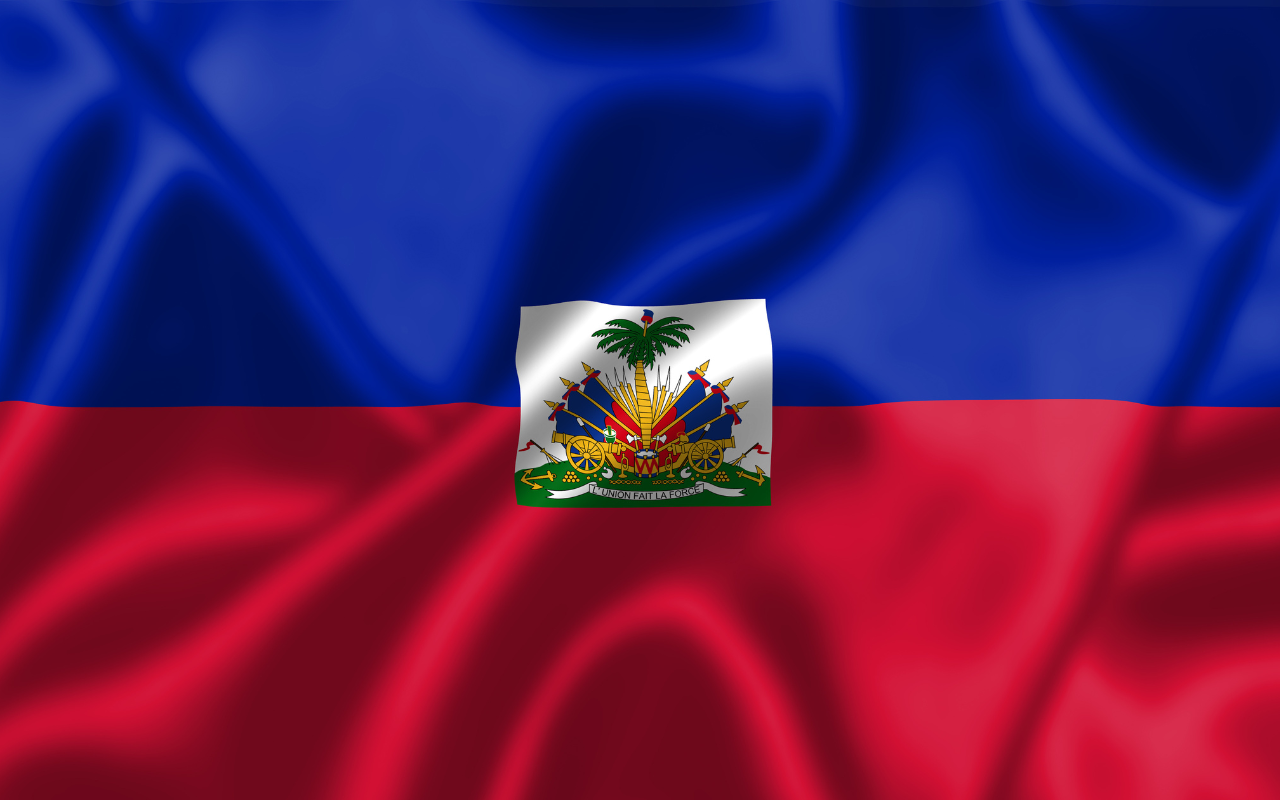
Haiti’s craftsmanship is a powerful expression of its African, indigenous Taíno and French colonial heritage, recognized for its creativity, vitality and cultural symbolism. One of Haiti’s most iconic crafts are the voodoo flags (drapo Vodou), intricately hand-sewn with sequins and beads, often depicting symbols of the lwa (spirits) of Haitian voodoo, blending spiritual and artistic traditions. Metal art, particularly from the village of Croix-des-Bouquets, is another distinctive craft, where artisans transform recycled oil drums into beautiful, detailed tapestries, sculptures and decorative pieces with designs inspired by Haitian folklore and nature. Haiti is also famous for its papier-mâché masks and figures, often used in Carnival celebrations, as well as its vibrant paintings and wood carvings. These crafts not only serve as an important means of cultural expression, but also as a source of income for local artisans, showing Haiti’s resilience, creativity, and deep connection to its roots.


From the cucurbitaceae family and with the scientific name «Lagenaria siceraria», it is a fruit similar to a pumpkin with different shapes. In other places it is known as “bules” or “guajes” and also has medicinal uses. Traditionally it is dried and hollowed. Vibrant in color, the finished material turns light or dark brown depending on the color. (Read More)

Iron cutting is a unique form of traditional craftsmanship in Haiti. Originally, at the beginning of the 20th century, recycled steel oil containers were used. To package them, paper or cardboard is burned inside to strip them, then the metal is cut and hammered to make sheets. Then, the craftsman draws shapes with a temporary material (chalk, (Read More)

Ox horn is a difficult material. The horn is very fragile and easily damaged, the raw material should be immersed in a bath of boiling engine oil to soften it. Haitian artisans master this process very well. They make slabs with a press. These plates are cut with a jewelry saw and then sanded and polished. Some designers, like Sybille (Read More)

The technique of rhinestone and sequin embroidery is widely used in Haiti to decorate voodoo temple deities, Lenten parade costumes, and ritual objects. In particular, voodoo flags that represent divinities, their colors and attributes have experienced a notable rise and international fame, Myrlande Constant (Read More)

This artisanal decoration technique is carried out mainly by women. Several workshops have been developed over the years (Maïssade, Camp-Perrin) but have had difficulty continuing despite their success. Some techniques use more threads glued onto a Siamese backing, embossed embroidery or patchwork. In the case of the Apricot (Read More)

The art of paper mache is an ancient and worldwide practice. The shredded paper is mixed with a layer of glue. When wet, the material can be molded. Three or four layers of the material maintain their shape. Once dry, the material becomes strong but light and can be painted and decorated. Although this technique is very widespread in (Read More)